Silverfish in California can create costly problems when early signs are missed. Learn what to spot and when to call Official Pest Prevention.
Key Takeaways About California Silverfish
- Silverfish are wingless, slender insects that can show up in storage areas throughout your California home, especially where paper products and books are kept.
- These insects may damage stored books and papers over time, so early attention matters when you spot signs of activity.
- Keeping bathrooms, basements, and laundry rooms clean and dry is one of the most practical steps you can take to discourage silverfish.
- If you suspect a silverfish infestation, Official Pest Prevention serves homeowners across several California communities. Contact us to request a quote.
How to Identify California Silverfish
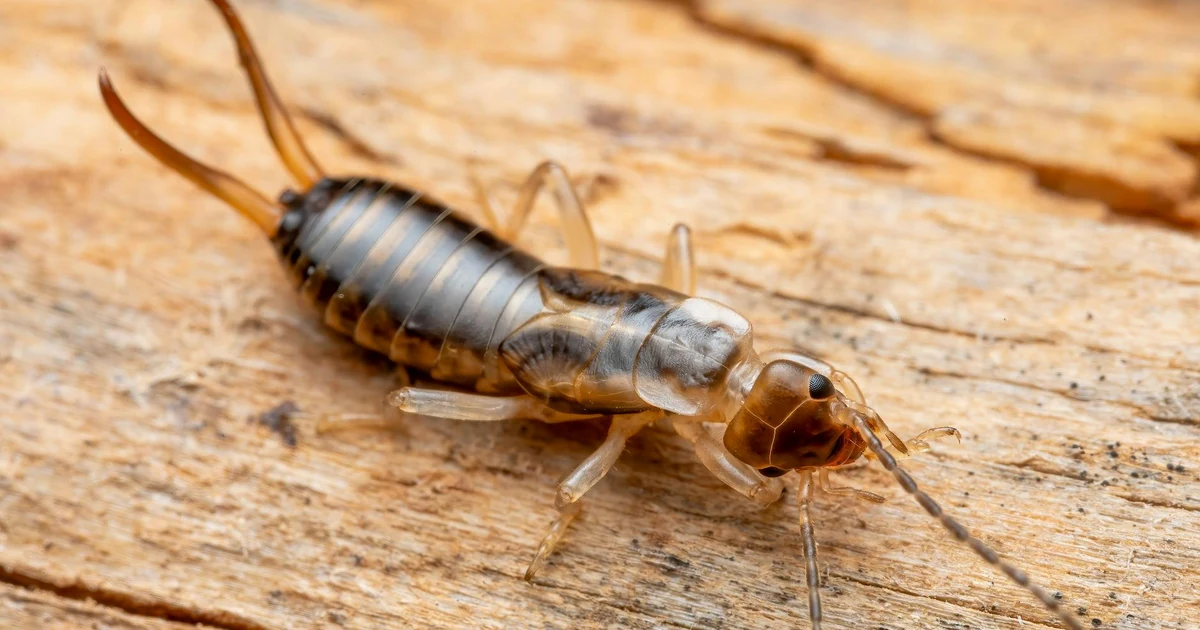
Silverfish are slender, somewhat carrot-shaped insects that do not have wings. Their tapered body and quick, darting movement make them easy to confuse with other small household pests. Knowing what to look for, and where to look, can help you catch activity early in your California home.
How to Tell Silverfish Types Apart in California
The wingless, carrot-shaped body is the most reliable feature when identifying silverfish. They are slender and typically silver-gray in color, with long antennae and three tail-like appendages at the rear. Because they lack wings, silverfish move exclusively by running across surfaces, often in a quick, fish-like motion that gives them their common name.
If you see a small, wingless insect with that distinctive tapered silhouette, there is a good chance you are looking at a silverfish rather than a beetle or small cockroach.
How to Spot Silverfish Activity Inside Your California Home
Silverfish are attracted to moisture, so the most common indoor sighting spots are bathroom areas, under kitchen sinks, and other moist locations throughout the home. You may notice a live silverfish when you flip on a light at night, since these insects prefer dark environments and tend to stay hidden during the day.
Look for tiny, irregular feeding marks on paper goods or fabric stored in closets or cabinets. Small dark droppings that resemble ground pepper can also signal that silverfish are active nearby.
Where Silverfish Activity Shows Up Around California Homes
Inside the home, silverfish favor dark corners, storage areas, and other undisturbed spaces where humidity tends to build up. Bathrooms, laundry rooms, and the area beneath kitchen sinks are frequent trouble spots because of the consistent moisture.
Boxes of stored papers, books, and seasonal clothing provide both shelter and potential feeding material. If you keep items in a garage or attic with limited ventilation, check those areas regularly for signs of silverfish.
Exterior Entry Points Silverfish Use Around California Homes
Silverfish can slip through small gaps around doors, windows, and utility penetrations. Any crack or crevice that connects the outdoors to a moist interior space is a potential pathway. Keeping weather stripping in good condition and sealing visible gaps can reduce the chances of silverfish moving inside.
If you are finding silverfish regularly despite your best prevention efforts, Official Pest Prevention can help. Contact our local team to request a quote and get a closer look at what is going on around your home.
Why Silverfish Problems Develop in California
Silverfish in California can show up in almost any home, and the food sources available indoors are usually the main reason they stay. Understanding what draws them in and how they travel through your house can help you figure out where to focus your attention.
Outdoor Nesting Areas for Silverfish Around California Homes
Silverfish can travel long distances while searching for food, which makes it difficult to pinpoint where an infestation actually starts. They may originate from areas well outside your immediate living space before working their way indoors. Because they forage over such wide ranges, removing a single hiding spot rarely solves the problem on its own.
Food and Shelter That Attract Silverfish Around California Homes
Once inside, silverfish find plenty to feed on. They prefer dry food such as cereals, flour, pasta, and pet food. Paper with glue or paste, sizing in paper including wallpaper, book bindings, and starch in clothing are also preferred food sources. According to UC IPM, household dust and debris, dead insects, and certain fungi are important food sources as well. This wide diet means almost every room in your home can offer something for silverfish to consume.
How Silverfish Move Around California Homes
Silverfish are persistent foragers. They can cover long distances while looking for food, so a problem that starts in one area of your home can spread to others over time. Routine cleaning helps reduce the dust and debris they rely on as food, making your home less appealing to them overall.
Trails and Entry Points Silverfish Use in California
Because silverfish travel widely in search of food, they may use many different pathways through your home. Their broad diet of cereals, flour, pasta, pet food, paper products, and starchy materials means they have reason to move between kitchens, closets, and storage areas. If you are finding silverfish in multiple rooms, contact Official Pest Prevention to request a quote and get help identifying where the activity is concentrated.
Risks From California Silverfish
Health Risks Linked to California Silverfish
Silverfish are primarily a nuisance and property pest rather than a direct health threat. No selected evidence supports disease transmission or bite-related health concerns from silverfish. Their presence, however, can signal moisture conditions in your home that may invite other pests. If you notice silverfish activity spreading through multiple rooms, it is worth investigating the conditions that are drawing them in.
Property Damage From Silverfish in California
The most common damage silverfish cause involves books or papers that have been stored for long periods. According to Mississippi State University Extension, silverfish damage to books and paper products can become significant when items are stored for extended periods in moist, humid areas such as basements or attics. This kind of significant damage tends to build over time, especially when stored items go unchecked.
In older homes, silverfish may also damage wallpaper. Heavy infestations sometimes develop in attics, basements, or other storage areas, particularly when cardboard boxes, books, or other paper products are present. If you keep boxes of documents or memorabilia in a garage or attic, silverfish can do significant damage before you realize they are there.
Food Areas and Silverfish Activity in California Homes
Silverfish are drawn to starchy materials, so they may show up near stored paper goods in pantries or closets. Their activity often overlaps with the same storage areas where cardboard boxes and paper products accumulate. Reducing clutter in those spots limits what silverfish can feed on and helps you spot signs of activity sooner.
When to Look Closer at Silverfish Activity in California
Check indoors and outdoors for holes or cracks in foundations or walls that provide entry points to your home. You can seal cracks and entry points on the interior side of walls and ceilings anytime, which helps reduce access for silverfish and other pests.
If you are finding silverfish in multiple storage areas or noticing significant damage to paper goods or book bindings, the population may be well established.
Professional Pest Control for Silverfish in California
When silverfish show up in your home, reducing moisture and clutter is only part of the solution. A targeted pest control approach helps you address an infestation at its source rather than chasing individual insects from room to room. Below is what prevention, inspection, and professional treatment look like for California homeowners dealing with silverfish.
How to Reduce Attractants for Silverfish in California
The most practical step you can take is keeping key areas of your home clean and dry. According to UC IPM, you can help prevent silverfish infestations by maintaining dry conditions in basements, laundry rooms, and bathrooms, with special attention to shower stalls. Moisture is a major draw for these pests, so ventilation and routine cleaning in those rooms go a long way.
Focus your efforts on the spaces where humidity tends to build up. Wiping down shower stalls after use, running exhaust fans, and fixing any slow leaks all help lower the moisture levels silverfish rely on. Consistent upkeep in basements and laundry rooms makes your home a less inviting environment for an infestation to develop.
Why Silverfish Control in California Starts With Inspection
Before any treatment begins, a thorough inspection helps identify where silverfish activity is concentrated. Because these pests prefer damp, undisturbed spaces, a service professional will focus on bathrooms, basements, and laundry rooms to locate signs of an infestation. Understanding where silverfish are active guides the rest of the pest control plan.
An inspection also helps rule out conditions that could encourage silverfish to return. If excess moisture or poor ventilation is found, those issues can be addressed alongside treatment to reduce the chance of a recurring infestation.
What to Expect During Professional Silverfish Treatment in California
One thing to know is that foggers are not a recommended approach for silverfish infestations. According to UC IPM, foggers are not suited for treating silverfish and firebrat infestations. A professional pest control visit uses more targeted methods rather than broad fogging, which helps address the areas where silverfish actually live and hide.
Official Pest Prevention is a local company with local techs and local customer support. If you are in Fresno, Elk Grove, West Sacramento, Yuba City, Stockton, Modesto, Pleasanton, Livermore, Hayward, or Fremont, contact Official Pest Prevention to request a quote for silverfish pest control tailored to your home.
What to Expect From a California Silverfish Control Plan
A well-structured silverfish control plan combines the prevention steps you handle at home with the targeted treatment a professional provides. Keeping basements, laundry rooms, and bathrooms clean and dry remains important even after a service visit, because ongoing moisture control helps discourage a new infestation.
Your pest control plan should account for the specific layout and conditions of your home. Every property is different, and a local team familiar with your area can adapt their approach accordingly. If you are noticing silverfish activity, reach out to Official Pest Prevention to get started with an inspection.
Bottom Line on Silverfish in California
Silverfish are moisture-loving, wingless insects that favor stored paper goods, starchy foods, and damp areas around your home. Reducing humidity, keeping storage areas clean, and addressing leaks are your best first steps. If you notice signs of activity in bathrooms, kitchens, or storage spaces, a professional inspection can help you understand the scope of the problem and determine next steps.
Frequently Asked Questions About Silverfish in California
Where are Silverfish most likely to appear in my home?
They tend to gravitate toward moist areas such as bathrooms, under kitchen sinks, and storage spots where cardboard boxes or paper products accumulate. Attics and basements can also attract them when conditions stay humid.
Do Silverfish cause property damage?
They can. Silverfish feed on starches, paper, and similar materials. Over time, stored books and papers may show wear, and wallpaper in older homes can also be affected.
What can I do to prevent an infestation?
Keep bathrooms, laundry rooms, and other humid spaces clean and dry. Store books and paper goods in sealed containers rather than open cardboard boxes. Fixing plumbing leaks and improving ventilation also helps reduce the moisture that draws them in.
When should I call a professional?
If you are seeing silverfish regularly or finding damage to stored items, it may be time for a professional assessment. Official Pest Prevention offers local service in Fresno, Stockton, Modesto, and other California locations. Reach out to request a quote and discuss your situation with our team.
Our methodology: how we research pest control topics
Every Official Pest Prevention article follows the same standard we hold our service work to: clear, accurate, and grounded in what actually works on a real Northern California home. Homeowners across the Sacramento metro and Bay Area communities count on us for honest pest information they can act on, and we treat the writing the same way.
We build our content from a combination of government guidance, peer-reviewed research, and the patterns our technicians see across thousands of homes in our service area. Here is how we approach each article:
Studying pest behavior
We start with how each pest actually lives — where it nests, how it spreads, and what conditions support it. Northern California’s seasonal rain and dry cycles change pest pressure in ways that matter for treatment, and getting the biology right is what tells us what will and will not work.
Reviewing health and home risks
We review research on how each pest affects human health and home structures. Some pests are a nuisance. Others trigger allergies, carry bacteria, or cause structural damage. Knowing the actual risk helps homeowners decide how urgently to act.
Using Integrated Pest Management
Our recommendations are grounded in Integrated Pest Management (IPM), the framework supported by the USDA and EPA. IPM combines monitoring, sanitation, exclusion, and targeted treatment to reduce pest populations while limiting unnecessary product use.
Prioritizing prevention and lasting protection
A pest problem rarely ends with one treatment. We focus on the conditions that allow infestations to start in the first place — moisture, food sources, gaps around the home, harborage zones — because long-term control depends on changing the environment, not just treating the symptoms.
Citing peer-reviewed and government sources
Whenever possible, we support our recommendations with peer-reviewed studies, university extension research, and guidance from agencies like the EPA, CDC, and USDA. Each source we cite is listed at the end of the article.
Why trust us
Official Pest Prevention is a local company with local technicians and local customer support. We serve homeowners across the Sacramento metro and into the Bay Area — Fresno, Elk Grove, West Sacramento, Yuba City, Stockton, Modesto, Pleasanton, Livermore, Hayward, and Fremont. When you call, you reach our team. When a technician shows up, they live and work in your area.
That same standard runs through our content. The information you read here reflects what our technicians see in the field, what current research supports, and what we have learned from servicing homes across our Northern California footprint.
Our credentials
- Service across the Sacramento metro and Bay Area — Fresno, Elk Grove, West Sacramento, Yuba City, Stockton, Modesto, Pleasanton, Livermore, Hayward, and Fremont
- Local technicians and local customer support
- Specialty services including dewebbing and power sprayer treatments
- General pest control, mosquito, rodent, termite, and seasonal pest programs
- Continuous review of research, regulations, and California-specific pest pressure
Sources and standards we reference
To keep our content accurate and up to date, we rely on established research and authority sources, including:
Environmental Protection Agency (EPA):
Guidelines on product use, labeling, and approved applications.
Centers for Disease Control and Prevention (CDC):
Public-health guidance on pests that affect human health, including mosquitoes, ticks, rodents, and cockroaches.
United States Department of Agriculture (USDA):
Integrated Pest Management standards and pest biology research.
National Pest Management Association (NPMA):
Industry standards, pest behavior research, and seasonal trend reporting.
University of California Cooperative Extension:
Peer-reviewed, region-specific research on Northern California pest biology and control methods.
Peer-reviewed journals:
Research published in entomology, public health, and environmental science journals to support specific claims about pest behavior, health risks, and treatment efficacy.
Article sources
The following sources were specifically referenced in the research and development of this article:
All information is accurate at the time of publication and is reviewed regularly to reflect current research and pest control standards.