Bed Bugs in Sacramento can create costly problems when early signs are missed. Learn what to look for, why it matters, and when to call Proforce.
Key Takeaways About Sacramento Bed Bugs
- Bed bugs can arrive in any Sacramento home through luggage, secondhand furniture, or visitors, and their presence is not a sign of poor hygiene.
- Look for fecal spots, blood spots, shed skins, and live bugs on mattresses and nearby furniture to confirm a bed bug infestation.
- Professional inspection is the most reliable way to identify bed bugs, and treatment may require more than one visit depending on the level of activity.
- Proper preparation before service, including laundering fabrics and encasing mattresses and box springs, is a critical part of bed bug control.
How to Identify Sacramento Bed Bugs
Knowing what to look for is the first step toward addressing a bed bug problem in your Sacramento home. You can confirm an infestation only by finding the pests themselves or their signs, which include fecal spots, blood spots, egg cases, and shed skins, according to UC IPM.
How to Tell Bed Bug Types Apart in Sacramento
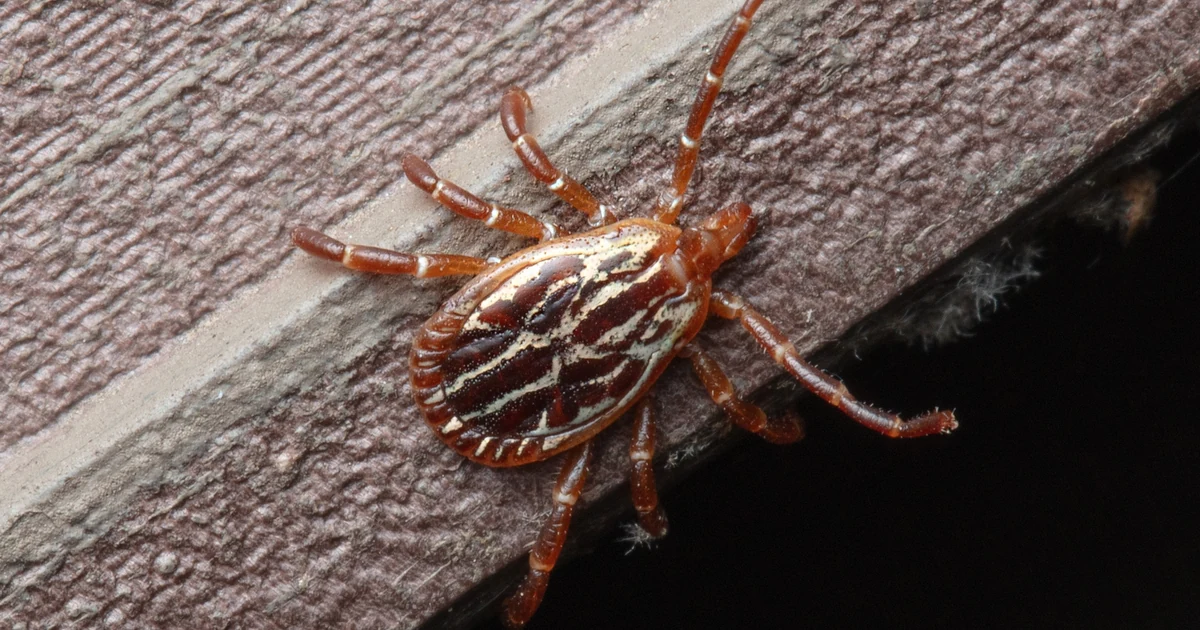
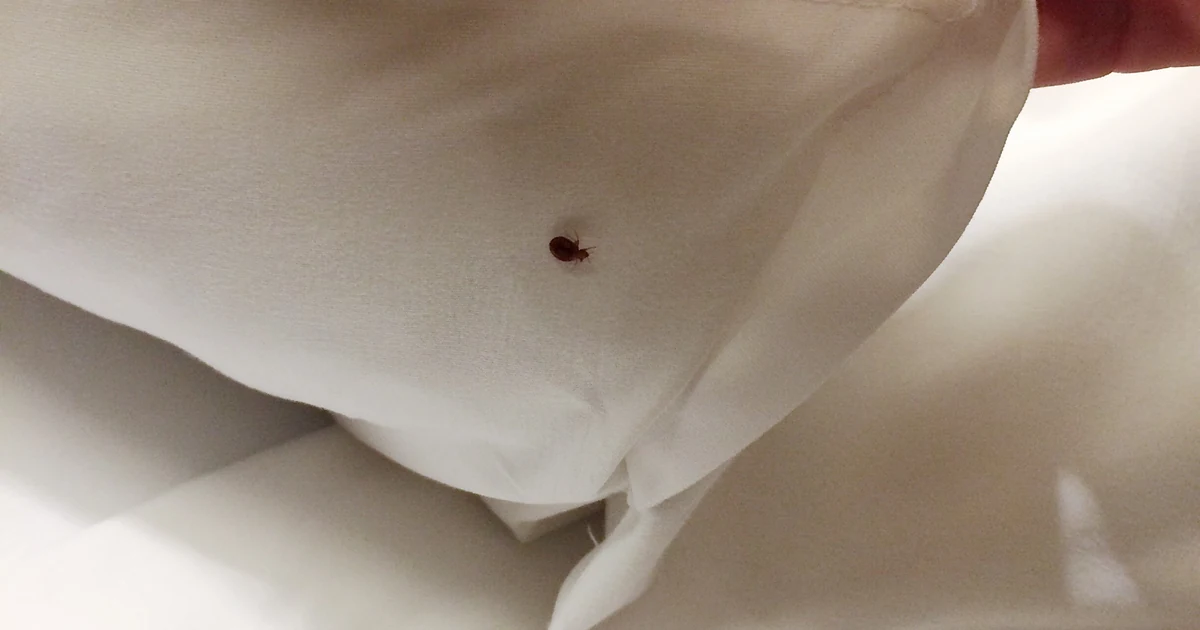
Adult bed bugs are small, flat, and oval. Look for live bugs in mattress seams or on furniture. Rust-colored stains or dark spots on bedding are another reliable indicator. Shed skins found near sleeping areas can also help you confirm the pest you are dealing with.
A musty odor may be present in severe infestations. If you are unsure what you are seeing, a professional inspection can confirm bed bugs in your home.
How to Spot Bed Bug Activity Inside Your Sacramento Home
Fecal spots often appear as tiny dark marks on sheets or mattress seams. Blood spots on bedding are another sign worth checking for. Live bugs in mattress seams or furniture provide the clearest confirmation.
Bed bugs can infest even the cleanest homes. They are usually brought in from external sources such as luggage after travel, used furniture, guests, or shared laundry facilities.
Where Bed Bug Activity Shows Up Around Sacramento Homes
Bed bugs hide in mattress seams, box springs, bed frames, headboards, wall and floor cracks, behind picture frames, near electrical outlets, and in upholstered furniture. They are nocturnal and typically come out at night to feed. When checking your home, focus on areas closest to where you sleep.
If you notice any signs, contact Official Pest Prevention for a consultation. Our state-certified inspectors can identify activity from an on-site inspection or from photos you provide.
Exterior Entry Points Bed Bugs Use Around Sacramento Homes
Bed bugs do not typically enter from outdoor habitats the way other pests do. Instead, they arrive through luggage, used furniture, visitors, or shared laundry facilities. If you travel frequently, check your hotel room by looking behind headboards, under sheets, and inspecting mattress seams and tufts, as UC IPM recommends.
Placing travel bags and secondhand furniture in a garage or staging area before moving them inside can help you catch signs before they spread to your bedroom.
Why Bed Bug Problems Develop in Sacramento
Bed bugs thrive wherever people sleep, and Sacramento’s mix of housing types, hotels, and shared-living spaces creates plenty of opportunity for infestations to take hold. Understanding where these pests settle, what draws them in, and how they travel can help you spot a problem before it grows.
Outdoor Nesting Areas for Bed Bugs Around Sacramento Homes
Bed bugs are indoor pests, not outdoor ones. They concentrate in places with regular human occupancy. According to UC IPM, hotels, homeless shelters, furnished apartments, and dormitories are most at risk. Apartment buildings and other multi-family housing also fall into this high-risk category. If your Sacramento property is near or connected to any of these settings, awareness matters.
Food and Shelter That Attract Bed Bugs Around Sacramento Homes
Bed bugs feed on human blood and usually bite when people are sleeping. They emerge at night, drawn to the carbon dioxide, heat, and smell released by a sleeping person. They require at least one blood meal during each developmental stage to continue growing.
In most people, bites cause red welts and itching that can last several days. Some people have no reaction at all and may not realize bed bugs are present. That delayed awareness gives a population time to build inside furniture, baseboards, wall crevices, and personal belongings.
How Bed Bugs Move Around Sacramento Homes
Bed bugs can be transported on clothing, in luggage, bedding, and furniture. Unlike fleas or ticks, they lack appendages that allow them to cling to hair, fur, or feathers, so they are rarely found on a host’s body. Instead, they hitch rides on items you carry.
Facilities that house transient populations need to be especially vigilant. According to UC IPM, staff at hotels, furnished apartments, dormitories, and shelters should be trained to recognize signs of bed bug activity and act without delay. That same vigilance applies to Sacramento homeowners who host guests or buy secondhand furniture.
Trails and Entry Points Bed Bugs Use in Sacramento
Once inside your home, bed bugs settle close to where you sleep. Look for reddish stains, tiny dark spots, and live bugs on bed sheets, furniture, baseboards, and personal belongings. These signs often appear within a few feet of the bed.
If you suspect bed bugs in your Sacramento home, contact Official Pest Prevention to schedule a consultation.
Risks From Sacramento Bed Bugs
Bed bugs in Sacramento present a moderate risk to your family and property. Understanding where problems arise and what to watch for can help you respond quickly before activity spreads through your home.
Health Risks Linked to Sacramento Bed Bugs
Bed bugs are rated a moderate risk concern for your family. The disruption they cause can affect sleep quality and daily comfort for everyone in the household. Following preparation and treatment guidance from your pest control provider is one of the most important steps you can take, according to Oregon State University Solve Pest Problems.
Property Damage From Bed Bugs in Sacramento
Discarding infested beds, bedding, and belongings without proper precautions can spread bed bugs to other areas of your home or building. If you need to dispose of infested items, wrap them in plastic, seal them with tape, and label them “Do Not Salvage, Bed Bugs.” This prevents the problem from reaching neighbors or shared spaces.
In multi-family buildings, all apartments, rooms, common areas, offices, and storage rooms need to be inspected. If bed bugs are found in any of those spaces, each area needs to be treated. Skipping a room or shared area can allow activity to continue spreading.
Food Areas and Bed Bug Activity in Sacramento Homes
While bed bugs are most often found near sleeping areas, shared kitchens, break rooms, and other common spaces in multi-family buildings should also be inspected. Preventing introductions of used furniture or clothing reduces the chance of a new infestation, as Purdue Extension notes for multi-family properties.
When to Look Closer at Bed Bug Activity in Sacramento
Inspect mattresses, box springs, and headboards for bed bugs and for fecal or blood spots. These are among the earliest visible signs of activity. Keeping furniture, especially beds, away from walls can also help you spot issues sooner and limit hiding places.
If you suspect activity, Official Pest Prevention can confirm it and guide you through preparation and treatment. Contact the team to schedule an inspection.
Professional Pest Control for Bed Bugs in Sacramento
Dealing with bed bugs in Sacramento starts with understanding what professional treatment involves and how you can prepare your home. Bed bug infestations are difficult to control on your own, and professionals have special skills and tools to address the problem. Working with your pest control company gives you the best path forward.
How to Reduce Attractants for Bed Bugs in Sacramento
Before any bed bug treatment in your Sacramento home, preparation is critical. Remove posters from walls, take out electronics, and clear clothing, boxes, and shoes from closets. Strip blankets and sheets from beds, empty drawers, and remove books and waste baskets. Everything except furniture should be placed in plastic garbage bags and moved to untreated rooms, outside, or the garage.
Launder all clothing, bedding, curtains, and fabric items by placing them in plastic garbage bags and running them through a high-heat dry cycle. Bed bugs die at temperatures above 120 degrees. Visiting a laundromat to wash and dry everything at once can save time. Be careful not to spread bed bugs to other rooms by allowing them to escape the bags.
Bed bug encasements on mattresses and box springs are required at the time of service. Most of the population will be located on, within, and around these items. Encasements must remain in place for a minimum of 500 days because bed bugs can survive up to 400 days without a blood meal. Rooms that are not prepared as outlined may see reduced results.
Why Bed Bug Control in Sacramento Starts With Inspection
The first step in bed bug control is a consultation with our state-certified inspectors. They meet with you to determine whether bed bugs are the cause of your concern. Our trained inspectors can identify activity through a site visit or photos you provide. According to the University of Minnesota Extension, professionals perform careful inspections along with non-product controls and treatment treatments.
Once the target pest is identified, you receive a prep sheet with instructions and information about what to expect. Following up on inspections and treatments is important because bed bug infestations can require more than one visit to address fully.
What to Expect During Professional Bed Bug Treatment in Sacramento
Official Pest Prevention’s technicians start at the farthest point in the room and work toward the exit. Treatment begins with liquid products, followed by aerosol and dust as needed based on the inspection. All molding, cracks, and crevices receive attention, along with the bed frame and headboard. If the bed has built-in drawers, they are removed and inspected along with the space they occupied.
The mattress and box spring are treated, and side tables, storage chests, and dressers are addressed as well. Depending on severity, the technician may also treat picture frames, electrical outlets, windows closest to the bed, and curtains. All treated areas that can be closed should remain sealed and unoccupied for at least four hours.
Treatment options include heat treatments, fumigation, and conventional applications, or a combination. Heat treatment can control bed bugs through clothes dryers, portable heat chambers, or professional whole-residence treatments. However, as the University of Minnesota Extension notes, heat treatment does not prevent bed bugs from returning. Pest management professionals also know which insecticides are labeled for bed bug control and which work best locally.
What to Expect From a Sacramento Bed Bug Control Plan
The timeline for bed bug treatment depends on the severity of the infestation and the method used. Heat treatments may address bed bugs in a single day, while other approaches may require multiple visits over several weeks. Treatment is not pet-friendly, so plan accordingly.
Official Pest Prevention offers a 30-day warranty that allows a retreat at $150 per room rather than the standard price. Some severe cases require fumigation to achieve complete results. To learn more or schedule a consultation, contact Official Pest Prevention and request a quote.
Bottom Line on Bed Bugs in Sacramento
Bed bugs can show up in any Sacramento home regardless of how clean it is. Spotting the problem early, preparing your space properly, and working with a trained professional give you the best path toward resolving an infestation. Official Pest Prevention’s state-certified inspectors can confirm whether bed bugs are the issue and walk you through a clear treatment plan that fits your situation. If you suspect activity, reach out for a consultation rather than waiting or attempting to handle it on your own.
Frequently Asked Questions About Bed Bugs in Sacramento
How Do I Know if I Have Bed Bugs?
Look for rust-colored stains or dark spots on your bedding, shed skins, and live bugs along mattress seams or furniture joints. A musty odor may also be present in more advanced cases. A professional inspection is the most reliable way to confirm the problem.
Where Do Bed Bugs Hide?
Bed bugs tend to stay close to where people sleep. They are nocturnal and typically feed at night.
How Did I Get Bed Bugs?
Bed bugs are usually introduced through luggage after travel, used furniture, visiting guests, or shared laundry facilities. They can appear in any home regardless of cleanliness.
Can I Handle Bed Bugs Without Professional Help?
DIY methods are rarely enough on their own. Bed bugs are resilient and hide in tiny spaces that are difficult to reach. Professional treatment paired with proper homeowner preparation is the most reliable path to controlling bed bugs. Official Pest Prevention can assess your situation and outline a treatment plan. Contact us to request a consultation.
Our methodology: how we research pest control topics
Every Official Pest Prevention article follows the same standard we hold our service work to: clear, accurate, and grounded in what actually works on a real Northern California home. Homeowners across the Sacramento metro and Bay Area communities count on us for honest pest information they can act on, and we treat the writing the same way.
We build our content from a combination of government guidance, peer-reviewed research, and the patterns our technicians see across thousands of homes in our service area. Here is how we approach each article:
Studying pest behavior
We start with how each pest actually lives — where it nests, how it spreads, and what conditions support it. Northern California’s seasonal rain and dry cycles change pest pressure in ways that matter for treatment, and getting the biology right is what tells us what will and will not work.
Reviewing health and home risks
We review research on how each pest affects human health and home structures. Some pests are a nuisance. Others trigger allergies, carry bacteria, or cause structural damage. Knowing the actual risk helps homeowners decide how urgently to act.
Using Integrated Pest Management
Our recommendations are grounded in Integrated Pest Management (IPM), the framework supported by the USDA and EPA. IPM combines monitoring, sanitation, exclusion, and targeted treatment to reduce pest populations while limiting unnecessary product use.
Prioritizing prevention and lasting protection
A pest problem rarely ends with one treatment. We focus on the conditions that allow infestations to start in the first place — moisture, food sources, gaps around the home, harborage zones — because long-term control depends on changing the environment, not just treating the symptoms.
Citing peer-reviewed and government sources
Whenever possible, we support our recommendations with peer-reviewed studies, university extension research, and guidance from agencies like the EPA, CDC, and USDA. Each source we cite is listed at the end of the article.
Why trust us
Official Pest Prevention is a local company with local technicians and local customer support. We serve homeowners across the Sacramento metro and into the Bay Area — Fresno, Elk Grove, West Sacramento, Yuba City, Stockton, Modesto, Pleasanton, Livermore, Hayward, and Fremont. When you call, you reach our team. When a technician shows up, they live and work in your area.
That same standard runs through our content. The information you read here reflects what our technicians see in the field, what current research supports, and what we have learned from servicing homes across our Northern California footprint.
Our credentials
- Service across the Sacramento metro and Bay Area — Fresno, Elk Grove, West Sacramento, Yuba City, Stockton, Modesto, Pleasanton, Livermore, Hayward, and Fremont
- Local technicians and local customer support
- Specialty services including dewebbing and power sprayer treatments
- General pest control, mosquito, rodent, termite, and seasonal pest programs
- Continuous review of research, regulations, and California-specific pest pressure
Sources and standards we reference
To keep our content accurate and up to date, we rely on established research and authority sources, including:
Environmental Protection Agency (EPA):
Guidelines on product use, labeling, and approved applications.
Centers for Disease Control and Prevention (CDC):
Public-health guidance on pests that affect human health, including mosquitoes, ticks, rodents, and cockroaches.
United States Department of Agriculture (USDA):
Integrated Pest Management standards and pest biology research.
National Pest Management Association (NPMA):
Industry standards, pest behavior research, and seasonal trend reporting.
University of California Cooperative Extension:
Peer-reviewed, region-specific research on Northern California pest biology and control methods.
Peer-reviewed journals:
Research published in entomology, public health, and environmental science journals to support specific claims about pest behavior, health risks, and treatment efficacy.
Article sources
The following sources were specifically referenced in the research and development of this article:
- UC IPM
- UC IPM
- Oregon State University Solve Pest Problems
- Purdue Extension
- University of Minnesota Extension
All information is accurate at the time of publication and is reviewed regularly to reflect current research and pest control standards.