
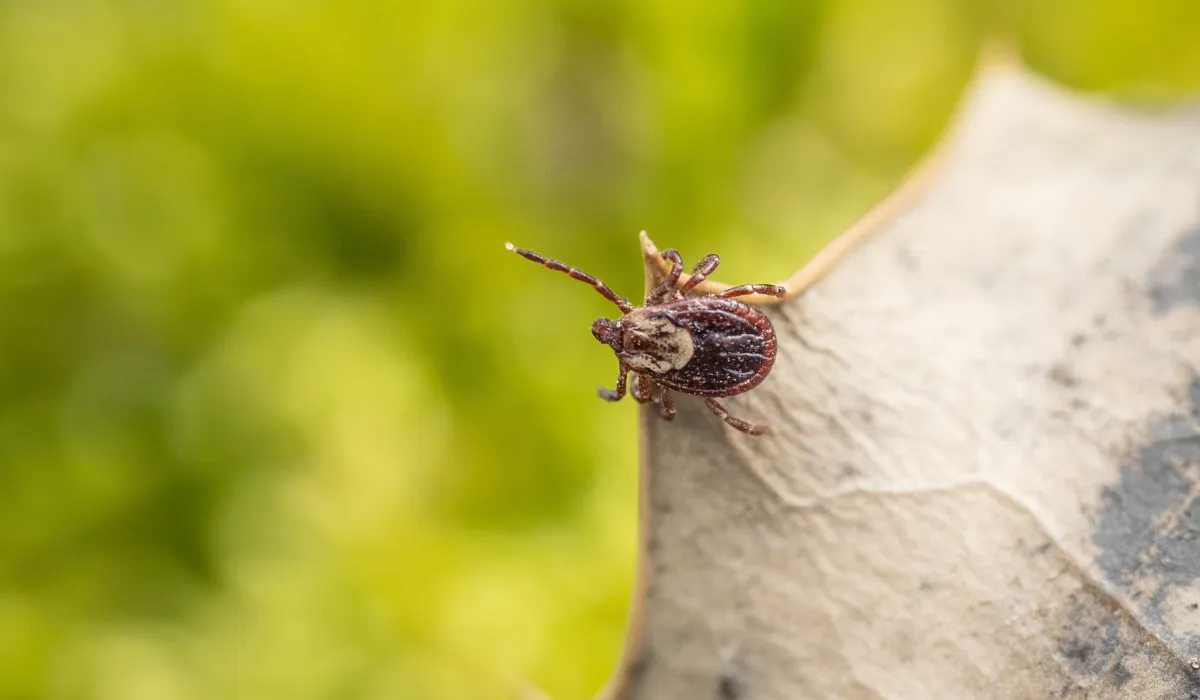
A tick can turn up after a hike in the foothills, a dog walk beside tall grass, or an afternoon spent cleaning a shaded corner of the yard. Ticks in California live in several outdoor environments, and you don’t have to be deep in the wilderness to encounter one.
The species matters. Western blacklegged ticks can transmit the bacteria that cause Lyme disease, while other California ticks are more often associated with dogs, grasslands, brush, wildlife, or areas close to homes. Risk also changes by location and habitat, so finding a tick doesn’t automatically mean you have been exposed to Lyme disease.
Knowing where ticks hide and how they reach people is far more useful than worrying about every patch of grass. With sensible yard maintenance, pet protection, outdoor precautions, and careful tick checks, you can lower the chances of bringing one home or allowing it to remain attached.
Key Takeaways
- Western blacklegged ticks are the California species most closely associated with Lyme disease, while several other ticks commonly affect pets and people.
- Tall grass, leaf litter, brush, wooded yard edges, shaded landscaping, and wildlife travel areas can increase the chance of tick exposure.
- Prevention works best when you combine yard maintenance, pet protection, outdoor precautions, prompt tick checks, and proper removal after a bite.
What Types of Ticks Are Found in California?
Several tick species occur in California, but four are especially relevant to homeowners, families, and pet owners. They differ in habitat and host preference, which affects where you’re most likely to encounter them.
| Tick | Where You May Encounter It | Common Hosts | Main Concern |
| Western blacklegged tick | Woodlands, brush, leaf litter, shaded trails | Wildlife, pets, people | California’s primary Lyme disease vector |
| Pacific Coast tick | Grasslands, chaparral, brush, trail edges | Wildlife, livestock, pets, people | Frequently bites animals and people |
| American dog tick | Grass, brush, trails, animal-use areas | Dogs, wildlife, people | Commonly found on dogs and can bite people |
| Brown dog tick | Kennels, dog runs, yards, homes | Primarily dogs | Can remain close to buildings where dogs spend time |
Western Blacklegged Ticks
Western blacklegged ticks deserve the most attention when discussing Lyme disease in California. They occur in wooded, brushy, and other vegetated environments where suitable animal hosts are present.
Young ticks can be difficult to spot because of their small size. That makes a careful tick check after hiking, yard work, or time around brush more useful than relying on whether you felt something crawling on you.
Dog Ticks and Pacific Coast Ticks
Pacific Coast ticks and American dog ticks often occur around grasslands, brush, trails, and other places where wildlife and domestic animals move. A dog can pick one up while sniffing vegetation even when you stay on a clear path.
Brown dog ticks are more closely tied to dogs and places where dogs spend time. They can occur around kennels, resting areas, yards, and buildings, so regular veterinary prevention remains important even for pets that rarely go hiking.
Where Do Ticks in California Live?
Ticks don’t fly or jump onto people. They crawl onto vegetation or other surfaces and make contact when a person or animal passes close enough. That makes tall grass, brush, and the edge of a wooded yard more relevant than the middle of a paved patio.
Leaf litter and shaded vegetation can provide protected places for ticks while also attracting or sheltering animal hosts. Fence lines, greenbelt borders, creek corridors, and overgrown property edges can create similar conditions when vegetation and wildlife activity overlap.
| Area Around a Property | Why Exposure May Occur |
| Tall grass | People and pets brush directly against vegetation |
| Leaf litter | Creates sheltered ground cover |
| Dense shrubs | Provides shade and animal cover |
| Wooded yard edges | Connect residential areas with natural habitat |
| Fence lines | Can collect weeds, leaves, and wildlife traffic |
| Pet areas | Dogs may bring ticks back from nearby vegetation |
| Greenbelt borders | Place people and pets near wildlife habitat |
Why California Yard Conditions Vary
Not every part of a yard creates the same risk. A sunny, dry section of lawn may offer very different conditions from an irrigated bed beneath shrubs or a shaded strip of vegetation behind a fence.
That difference is worth recognizing in Sacramento, Fresno, and other parts of Northern California and the Central Valley. Homes near trails, creeks, open land, foothills, or greenbelts may have more contact with wildlife and unmanaged vegetation than properties surrounded by closely maintained landscaping.
There’s also no single statewide tick season in California that applies equally to every species and region. Tick activity changes with species, life stage, weather, habitat, and location, so prevention should be based on exposure rather than a single date on the calendar.
What Disease Risks Can California Ticks Carry?
Lyme disease is the tick-borne illness Californians hear about most often. Western blacklegged ticks can transmit the bacteria responsible for it, but the presence of a tick alone doesn’t establish that transmission occurred.
The California Department of Public Health’s Lyme disease information reports that in Northern California areas where Lyme disease occurs, about 1% to 2% of adult western blacklegged ticks and roughly 2% to 15% of nymphs have been found infected with the Lyme disease bacterium.
Those numbers help put the risk in context. Most ticks in those samples were not infected, but you can’t tell whether an individual tick carries the bacteria simply by looking at it.
Lyme Disease Symptoms
Early symptoms may appear well after you have forgotten about the outdoor activity that led to the bite. The CDC’s Lyme disease signs and symptoms guidance states that early symptoms can begin three to 30 days after a tick bite.
The CDC also reports that an erythema migrans rash develops in about 70 to 80 percent of infected people. It may expand gradually and doesn’t always look like the neat bull’s-eye commonly shown in photographs.
| Possible Sign | What You May Notice |
| Expanding rash | Can grow over time without forming a classic bull’s-eye |
| Fever or chills | May resemble a flu-like illness |
| Headache | May occur with fatigue or fever |
| Fatigue | Can feel unusual or persistent |
| Muscle or joint pain | May develop during early illness |
| Swollen lymph nodes | Can occur with other early symptoms |
A small area of redness immediately around the bite can result from local irritation. An expanding rash or a new illness after a known tick bite deserves closer attention.
How Can You Prevent Tick Bites?
Good tick prevention focuses on the places where contact actually happens. That means managing vegetation at home, reducing skin and clothing exposure outdoors, and protecting pets that move through areas you might avoid yourself.
Reduce Ticks in Your Yard
Start with the parts of your yard your family and pets use most. Keep grass trimmed near paths, play areas, patios, pet spaces, and fences. Remove piles of leaves and cut back vegetation that forces people or animals to brush directly against stems and foliage.
For ticks in yards that border woods, trails, creeks, or undeveloped land, pay close attention to the transition between maintained landscaping and natural vegetation. Clearing every plant is unnecessary. Creating a cleaner boundary around high-use areas is more practical.
Wildlife activity can also affect exposure. Pick up fallen fruit, secure garbage, and avoid leaving food outdoors that attracts rodents or larger animals close to places where children and pets spend time.
Protect Your Family Outdoors
Wear closed shoes and long pants when walking through tall vegetation or brush. Light-colored clothing can make a crawling tick easier to see before it reaches your skin.
When tick exposure is likely, an EPA-registered repellent can provide another layer of protection. The EPA’s insect repellent search tool lets you compare registered options containing ingredients such as DEET or picaridin.
Products containing permethrin are also sold for certain clothing and outdoor gear. Follow the product label closely rather than applying a clothing treatment directly to your skin.
On maintained trails, walking near the center reduces contact with vegetation along the edges. That small choice is especially useful when tall grass or brush borders the path.
Practice Tick Prevention for Dogs
Dogs tend to investigate the places ticks are most likely to use. They push beneath shrubs, sniff along fences, and move through grass that you may never touch.
Use a veterinarian-recommended tick preventive suitable for your pet. After walks or time outdoors, check around the ears, neck, collar, legs, beneath the front legs, between the toes, and through thicker areas of fur.
Yard tick control and veterinary prevention solve different problems. Treating the environment doesn’t replace a product prescribed or recommended for the animal itself.
How Should You Check for and Remove a Tick?
Perform a tick check after hiking, camping, yard work, or time spent around tall grass, wooded areas, and brush. Children may need help with areas they can’t see, and outdoor clothing, shoes, backpacks, and pet gear are worth checking before everything is brought further inside.
A tick may crawl beneath clothing before attaching, so checking only your arms and lower legs can miss one. Move slowly and use a mirror for areas that are difficult to inspect.
Where to Check for Ticks
| Body Area | What to Do |
| Hair and scalp | Part the hair and feel carefully for small bumps |
| Behind the ears | Check folds and the nearby hairline |
| Armpits | Inspect the full skin fold |
| Waist | Look beneath waistbands and belt lines |
| Groin | Check areas covered by fitted clothing |
| Behind the knees | Inspect the crease carefully |
| Between the legs | Check areas where clothing fits closely |
| Ankles | Look beneath socks and around pant cuffs |
How to Remove an Attached Tick
Use clean, fine-tipped tweezers. Grasp the tick close to the skin and pull upward using steady, even pressure rather than twisting it.
Wash your hands and clean the bite area after removal. Writing down the date of the bite and taking a clear photograph of the tick can give you useful information if symptoms appear later.
Skip methods involving heat, petroleum jelly, nail polish, or similar substances intended to make a tick release. Removing an attached tick promptly with tweezers is more useful than waiting for a home remedy to work.
When to Seek Medical Attention
Watch for changes during the days and weeks after a known or suspected bite. Contact a healthcare professional if you develop an expanding rash, fever, chills, unexplained fatigue, headache, swollen lymph nodes, muscle aches, joint pain, facial weakness, or another new illness.
Tell the clinician that a tick bite occurred and give the approximate date and location of the exposure. Those details can help put the symptoms into context.
Seek urgent medical care for severe symptoms such as trouble breathing, fainting, severe weakness, significant chest symptoms, or signs of a serious allergic reaction.
Keeping Ticks Away From Your California Property
Managing ticks in California is less about one dramatic fix and more about reducing repeated opportunities for contact. Trim vegetation where people and pets spend time, remove leaf litter, use suitable repellents outdoors, protect pets, and make tick checks routine after likely exposure.
If ticks keep showing up around your property despite regular maintenance, the source may be along a shaded edge, inside dense landscaping, near a pet activity area, or along a route used by wildlife. Official Pest Prevention can inspect those conditions and focus treatment on the parts of the yard where tick activity is most likely rather than treating every area the same way.
For homeowners in Sacramento, Fresno, and surrounding communities, professional tick control can be useful when recurring activity continues after basic prevention steps. Contact Official Pest Prevention to schedule an inspection and get recommendations based on the layout, vegetation, and activity around your property.
Frequently Asked Questions
Are ticks common in California?
Ticks occur throughout California, but the species and level of exposure vary by region and habitat. You’re more likely to encounter them where people or pets come into contact with tall grass, brush, leaf litter, wooded areas, wildlife, or shaded vegetation.
When is tick season in California?
California doesn’t have one single tick season that applies to every species or location. Activity depends on the tick species, its life stage, weather, habitat, and region. It’s more useful to take precautions whenever you enter suitable tick habitat than to rely on one calendar season.
What should I do if I find a tick on my dog?
Remove an attached tick carefully if you know how to do so, then monitor the area and contact your veterinarian if you have concerns. Continue using veterinarian-recommended tick prevention and check your dog’s ears, neck, legs, toes, collar area, and coat after likely outdoor exposure.
