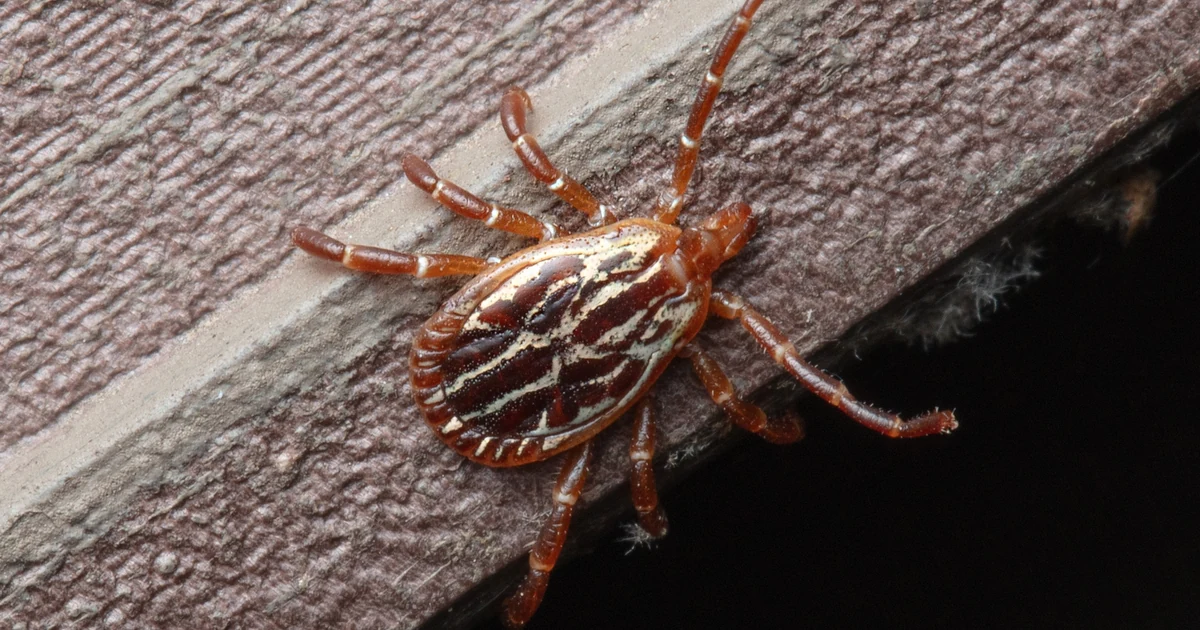
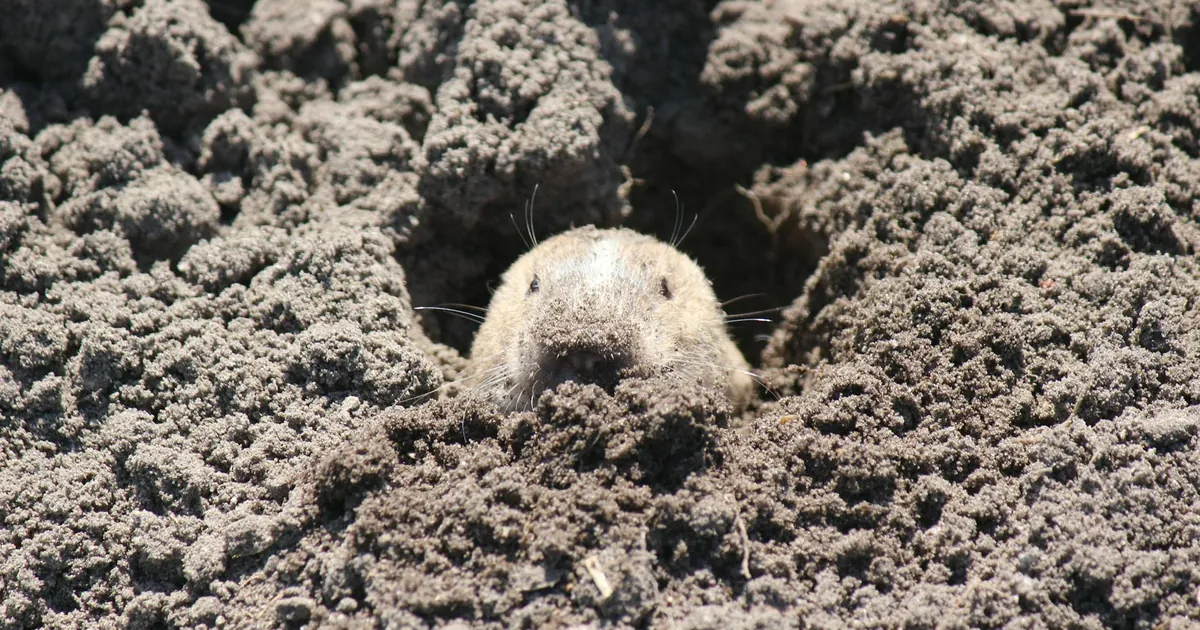
Gophers in California can create costly problems when early signs are missed. Learn what to spot and when to call Official Pest Prevention.
Key Takeaways About California Gophers
- Pocket gophers are burrowing rodents that create underground tunnels and push soil to the surface, and their digging can damage plants and landscaping in your yard.
- Identifying gopher activity early, including recognizing their distinctive soil mounds, helps you decide on the right approach before tunnels spread across your property.
- Control options for gophers in California include trapping and bait placement, but each method requires careful attention to get results.
- If you notice fresh mounds or damaged plants on your property, contact Official Pest Prevention to request a quote and discuss next steps for your home.
How to Identify California Gophers
If you notice fresh soil mounds appearing across your yard, gophers may be the cause. Pocket gophers are among the burrowing species that California homeowners may encounter, and telling their activity apart from other soil-disturbing pests is the first step toward addressing the problem. Below are the key signs to watch for around your property.
How to Tell Gopher Types Apart in California
Several species can leave mounds of displaced soil in your yard, making it important to look closely at the mound shape and pattern. Remove this sentence or replace with a verified description of how gopher mound shapes differ from those of moles and ground squirrels, citing UC IPM‘s pocket gopher Pest Note. The shape and spread of a mound can help you narrow down which species is responsible.
Mounds from certain pest species can look similar at first glance. According to UC IPM’s Pocket Gopher Pest Note, mound shape and the position of the plugged hole can help distinguish gopher activity from that of moles or ground squirrels in California. Paying attention to mound size, texture, and layout gives you a better starting point before reaching out for professional help.
How to Spot Gopher Activity Inside Your California Home
Gophers are soil-dwelling pests and do not nest inside buildings. If you are seeing signs of rodent activity indoors, the culprit is more likely a mouse or rat rather than a gopher. Pocket gophers stay underground in tunnel systems they dig through your yard and garden areas.
When indoor rodent issues do arise, keep in mind that select rodenticide products exist for pocket gophers and voles, separate from those targeting commensal mice and rats. If you are unsure what pest you are dealing with, contact Official Pest Prevention to request a quote.
Where Gopher Activity Shows Up Around California Homes
Gopher mounds commonly appear across lawns, garden beds, and open stretches of turf where the soil is workable. Remove the specific measurement or replace with a verified gopher mound size from UC IPM or another supported source. Look for clusters of soil mounds in open lawn and garden areas, which are common signs of gopher tunneling.
Mounds in open areas are the most common sign. Fresh piles of loose soil that keep reappearing usually point to active tunneling below the surface.
Exterior Entry Points Gophers Use Around California Homes
Gophers push soil to the surface as they dig, so their entry and exit points show up as mounds around your landscape. Look for clusters of mounds along fence lines, garden borders, and open lawn areas. Because gophers live and tunnel underground, your yard and garden areas are the primary zones of concern.
If you spot new mounds forming around your California property, Official Pest Prevention serves homeowners in Fresno, Elk Grove, West Sacramento, Yuba City, Stockton, Modesto, Pleasanton, Livermore, Hayward, and Fremont. Reach out to have a service professional assess the activity around your home.
Why Gopher Problems Develop in California
Pocket gophers are among the vertebrate pests that California homeowners may encounter around their properties. Understanding what draws gophers to a yard and how they move through the landscape can help you spot activity early and reduce the conditions that support them.
Outdoor Nesting Areas for Gophers Around California Homes
Gophers build tunnel systems below ground and push displaced soil to the surface, creating horseshoe- or crescent-shaped mounds of loose earth. These soil mounds can resemble those left by other pests, so correct identification matters before choosing a response. Open, sunny areas with workable soil offer the types of habitats gophers favor for digging and nesting.
Food and Shelter That Attract Gophers Around California Homes
Gophers are drawn to areas where food is accessible underground. Root systems, tubers, and other below-surface plant material provide a steady food supply in garden beds, lawns, and landscaped habitats. Properties with well-irrigated soil tend to make digging easier, which can encourage gophers to establish tunnels closer to your home.
Reducing available food sources around the yard is a practical starting point. Keeping garden habitats tidy and monitoring planting beds for fresh mounds helps you catch activity before tunnels expand further into your landscape.
How Gophers Move Around California Homes
Gophers extend their tunnel networks outward as they search for food, sometimes branching across neighboring properties. Because they spend most of their time underground, you may not notice their presence until mounds appear in your lawn or garden. Loose, workable soil can allow gophers to tunnel with relative ease, which is why properties with softer ground may see more activity.
Trails and Entry Points Gophers Use in California
Fresh mounds of loose soil pushed to the surface are the most visible sign of gopher activity. Each mound marks the opening of a lateral tunnel that connects to the main burrow system below. Gophers typically plug these openings with loose soil after pushing debris to the surface. Checking your yard for clusters of new mounds can help you map the areas where gophers are actively feeding and expanding their habitats.
If you notice mound activity around your property, contact Official Pest Prevention to discuss your options.
Risks From California Gophers
Gophers can create a range of concerns for California homeowners. Understanding what those concerns look like helps you decide when to act and what to watch for around your property.
Health Risks Linked to California Gophers
Gopher tunneling can disturb soil across your yard and garden beds. When soil is moved around, it may introduce other pests to areas near your home. Keeping an eye on any new mound activity helps you stay aware of changing conditions on your property.
Property Damage From Gophers in California
Gopher mounds and tunnel networks can disrupt lawns, garden beds, and landscaping. Their burrowing may undermine walkways, driveways, and irrigation lines over time. Because gophers work below the surface, the extent of tunneling is not always obvious until visible damage appears on the surface.
Food Areas and Gopher Activity in California Homes
Gardens and fruit trees can draw gophers closer to your home. Yards with raised beds or vegetable plots may see more mound activity as gophers seek out roots and plantings. If you grow avocados or other fruit trees, monitor the surrounding area closely for new mound activity, since root-rich garden soil can attract gophers.
When to Look Closer at Gopher Activity in California
Fresh mounds of loose soil are the most visible sign that gophers are active nearby. If you notice new mounds appearing in clusters or near structures, it is worth investigating further. Multiple pests can take advantage of the same disturbed ground, so early attention helps you understand the full picture.
If gopher activity is spreading across your yard, contact Official Pest Prevention to discuss your options.
Professional Pest Control for Gophers in California
Dealing with gophers on your California property can be frustrating, especially when mounds keep appearing across your lawn or garden. A structured approach that combines prevention, thorough inspection, and professional treatment gives you the best chance of managing the problem. Official Pest Prevention has local service professionals who understand the challenges gophers present in this region.
How to Reduce Attractants for Gophers in California
Gophers are drawn to yards that provide easy access to food and soft, workable soil. Keeping your landscape maintained and monitoring for early signs of tunneling activity can help you stay ahead of new arrivals. Reducing conditions that make your property appealing is a practical first step before any hands-on control work begins.
If you notice fresh mounds forming, acting early rather than waiting can limit how much of your yard is affected. Contact Official Pest Prevention so a local service professional can assess your situation and recommend next steps tailored to your property.
Why Gopher Control in California Starts With Inspection
Every gopher situation is different, and a careful inspection helps identify where tunnels run, how active the gophers are, and how large the affected area may be. Without this step, treatment efforts can miss active zones entirely.
A service professional will look at mound patterns and soil disturbance across your yard to build an accurate picture of gopher activity. This assessment shapes the control plan so that time and effort are directed where they matter most.
What to Expect During Professional Gopher Treatment in California
Professional gopher treatment focuses on targeting active tunnel systems. Your service professional will determine the best approach based on what the inspection reveals. Because conditions vary from property to property, treatment methods are selected to match the scope of the problem.
It is worth noting that bait stations used outdoors should be checked regularly. According to Oregon State University Solve Pest Problems, pantry pests can breed in rodent baits, so frequent monitoring and timely removal of compromised materials is an important part of any baiting program.
What to Expect From a California Gopher Control Plan
A gopher control plan from Official Pest Prevention is built around your property’s specific needs. After the initial treatment, your service professional will outline follow-up steps and monitoring recommendations so you know what to watch for going forward.
Because Official Pest Prevention is a local company with local technicians and local customer support, you can reach your team directly if new activity appears between visits. If you are seeing gopher mounds on your California property, contact Official Pest Prevention to schedule an inspection.
Bottom Line on Gophers in California
Gophers in California can be a persistent challenge for homeowners. Recognizing the crescent-shaped soil mounds they leave behind, understanding the lawn and garden damage they can cause, and taking early steps to address activity are all worthwhile. Because gopher tunnels sit below the surface, the problem is often more extensive than what you see at ground level. If you notice fresh mounds appearing across your yard, reaching out to a local professional is a practical next step.
Official Pest Prevention serves homeowners across several California communities and can help you determine what is happening on your property.
Frequently Asked Questions About Gophers in California
How Can I Tell if I Have Gophers or Another Burrowing Pest?
Gopher mounds are typically fan or crescent shaped with a plugged hole off to one side. Other burrowing animals leave different patterns. Mole mounds, for example, tend to be more symmetrical and volcano shaped. If you are unsure what is creating the disturbance in your yard, a service professional can inspect the area and help identify the source.
What Kind of Damage Can Gophers Cause?
Gophers feed on roots and can damage lawns, garden plants, and underground irrigation lines. Their tunneling may also undermine walkways and landscaping over time. Addressing activity early can help protect your yard before the tunneling network expands.
Are There Steps I Can Take on My Own?
Keeping an eye out for fresh mounds and monitoring how quickly new ones appear gives you useful information to share with a professional. Some homeowners try trapping, though proper placement within active tunnels is important. For ongoing or widespread activity, professional help is often the more practical route.
When Should I Contact a Professional About Gophers in California?
If you see multiple mounds or notice them spreading to new areas of your yard, it is a good time to call. Official Pest Prevention has local technicians ready to help. Contact the team to request a quote and discuss your situation.
Our methodology: how we research pest control topics
Every Official Pest Prevention article follows the same standard we hold our service work to: clear, accurate, and grounded in what actually works on a real Northern California home. Homeowners across the Sacramento metro and Bay Area communities count on us for honest pest information they can act on, and we treat the writing the same way.
We build our content from a combination of government guidance, peer-reviewed research, and the patterns our technicians see across thousands of homes in our service area. Here is how we approach each article:
Studying pest behavior
We start with how each pest actually lives — where it nests, how it spreads, and what conditions support it. Northern California’s seasonal rain and dry cycles change pest pressure in ways that matter for treatment, and getting the biology right is what tells us what will and will not work.
Reviewing health and home risks
We review research on how each pest affects human health and home structures. Some pests are a nuisance. Others trigger allergies, carry bacteria, or cause structural damage. Knowing the actual risk helps homeowners decide how urgently to act.
Using Integrated Pest Management
Our recommendations are grounded in Integrated Pest Management (IPM), the framework supported by the USDA and EPA. IPM combines monitoring, sanitation, exclusion, and targeted treatment to reduce pest populations while limiting unnecessary product use.
Prioritizing prevention and lasting protection
A pest problem rarely ends with one treatment. We focus on the conditions that allow infestations to start in the first place — moisture, food sources, gaps around the home, harborage zones — because long-term control depends on changing the environment, not just treating the symptoms.
Citing peer-reviewed and government sources
Whenever possible, we support our recommendations with peer-reviewed studies, university extension research, and guidance from agencies like the EPA, CDC, and USDA. Each source we cite is listed at the end of the article.
Why trust us
Official Pest Prevention is a local company with local technicians and local customer support. We serve homeowners across the Sacramento metro and into the Bay Area — Fresno, Elk Grove, West Sacramento, Yuba City, Stockton, Modesto, Pleasanton, Livermore, Hayward, and Fremont. When you call, you reach our team. When a technician shows up, they live and work in your area.
That same standard runs through our content. The information you read here reflects what our technicians see in the field, what current research supports, and what we have learned from servicing homes across our Northern California footprint.
Our credentials
- Service across the Sacramento metro and Bay Area — Fresno, Elk Grove, West Sacramento, Yuba City, Stockton, Modesto, Pleasanton, Livermore, Hayward, and Fremont
- Local technicians and local customer support
- Specialty services including dewebbing and power sprayer treatments
- General pest control, mosquito, rodent, termite, and seasonal pest programs
- Continuous review of research, regulations, and California-specific pest pressure
Sources and standards we reference
To keep our content accurate and up to date, we rely on established research and authority sources, including:
Environmental Protection Agency (EPA):
Guidelines on product use, labeling, and approved applications.
Centers for Disease Control and Prevention (CDC):
Public-health guidance on pests that affect human health, including mosquitoes, ticks, rodents, and cockroaches.
United States Department of Agriculture (USDA):
Integrated Pest Management standards and pest biology research.
National Pest Management Association (NPMA):
Industry standards, pest behavior research, and seasonal trend reporting.
University of California Cooperative Extension:
Peer-reviewed, region-specific research on Northern California pest biology and control methods.
Peer-reviewed journals:
Research published in entomology, public health, and environmental science journals to support specific claims about pest behavior, health risks, and treatment efficacy.
Article sources
The following sources were specifically referenced in the research and development of this article:
All information is accurate at the time of publication and is reviewed regularly to reflect current research and pest control standards.