Spiders in Sacramento Ca can create costly problems when early signs are missed. Learn what to spot and when to call Official Pest Prevention.
Key Takeaways About Spiders in Sacramento
- Sacramento homeowners may encounter several spider species indoors, including house spiders, which can build webs or nest in dark, undisturbed areas of your home.
- Learning to tell spiders apart matters because a few species, such as black widows, deserve more caution than the many that pose little concern.
- Reducing insects around your home and keeping storage areas clean can help lower the number of spiders that move indoors.
- Official Pest Prevention offers dewebbing and power sprayer services for Sacramento area homes. Contact the team to request a quote.
How to Identify Common Spiders in Sacramento
Knowing which spider species you are looking at helps you decide whether to call a professional or leave it alone. Sacramento Ca is home to several species, and learning to tell them apart starts with a few visual clues and an understanding of where each one prefers to settle.
How to Tell Spider Types Apart in Sacramento
Two species of widow spiders are found in California: the western black widow, which is widespread throughout the state, and the brown widow, which became established in southern California in the early 2000s and may be expanding its range, according to UC IPM. If you spot a glossy, dark-bodied spider with a red or orange marking underneath, you may be looking at a western black widow. Brown widows tend to be lighter with varied markings.
Wolf spiders can sometimes cause confusion. Some wolf spider species carry a black mark on the underside, but the mark is usually diamond-shaped with a single flare at the center, which can help you tell them apart from other species.
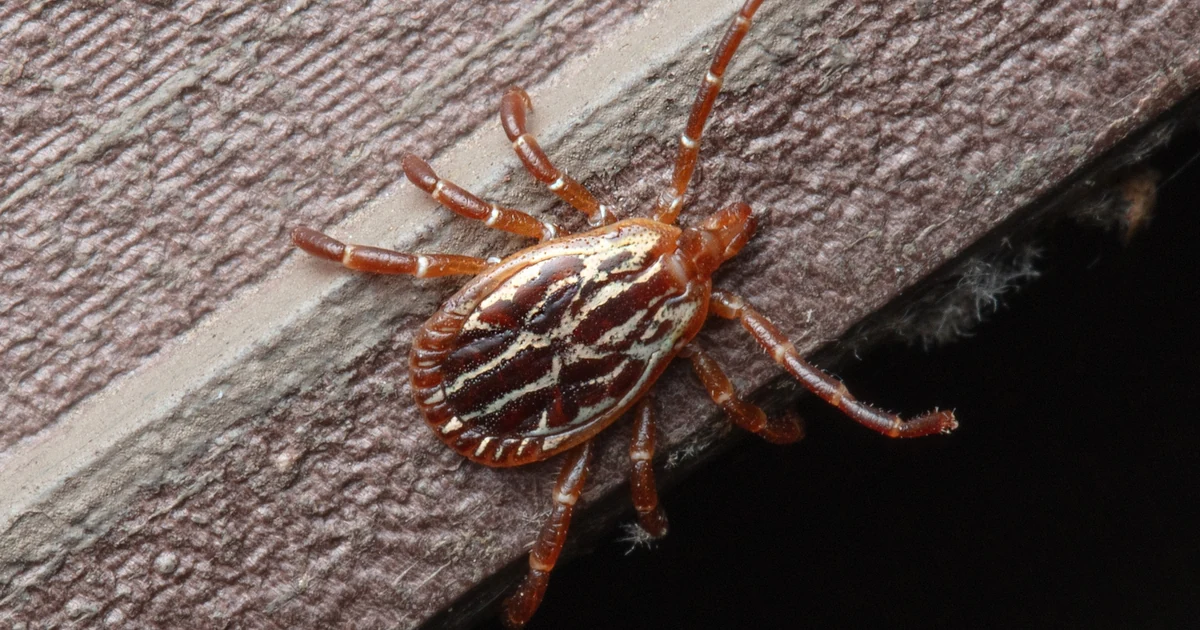
One commonly encountered species is tan with dark brown longitudinal stripes running along its back. That striped pattern is a helpful detail when you are trying to identify what you have found in or around your home.
How to Spot Spider Activity Inside Your Sacramento Home
Webbing in corners, along ceiling lines, or between furniture is the most obvious sign of spider activity indoors. Species such as southern house spiders prefer to nest in dark, undisturbed storage areas. If you notice webs building up in closets, boxes, or seldom-used rooms, those are likely spots worth checking.
False black widow spiders, unlike black widows, thrive indoors and may show up in washrooms, inside cupboards, and underneath appliances or furniture. They also settle into storage spaces and quiet corners of the home.
Where Spider Activity Shows Up Around Sacramento Homes
Garages, sheds, and attached storage spaces also attract spiders. Stacked boxes, rarely moved equipment, and cluttered shelving create the still, sheltered conditions these spiders seek out.
Checking these areas on a routine schedule helps you identify new webs or egg sacs before populations grow. If you are unsure what species you are seeing, Official Pest Prevention can help. Contact us to request a quote.
Exterior Entry Points Spiders Use Around Sacramento Homes
Spiders can move indoors through gaps around doors, windows, and utility openings. Keeping these entry points sealed reduces the chance that outdoor species relocate inside. Regular dewebbing around the exterior of your home also discourages spiders from establishing webs near entry areas.
If spiders keep appearing, a service professional can inspect your home and recommend next steps.
Why Spider Problems Develop in Sacramento Ca
Spiders follow their food. Where insects gather around your home, spiders are likely to settle nearby. Understanding why spiders show up helps you reduce the conditions that draw them in and keep them around your Sacramento Ca property.
Outdoor Nesting Areas for Spiders Around Sacramento Ca Homes
Spiders build webs and nest in sheltered spots around the exterior of your home. Overhangs, porch corners, and other protected areas give them a place to wait for prey. Southern house spiders, for example, are beneficial because they consume cockroaches, moths, and flies. Where those food insects are present outdoors, spider populations tend to follow.
Food and Shelter That Attract Spiders Around Sacramento Ca Homes
The main reason spiders appear indoors or along your exterior walls is food. Spiders feed on insects, so any condition that attracts cockroaches, moths, flies, or other pests also supports spiders. Reducing the insect population around your home is one of the most practical steps you can take.
Vacuuming spiders, webs, and egg cases when you find them is a practical first step, according to Oregon State University Solve Pest Problems. Keeping interior spaces clean and reducing clutter also removes conditions that support spiders indoors.
How Spiders Move Around Sacramento Ca Homes
Spiders are opportunistic. They move toward areas where food is available and shelter is undisturbed. If insects congregate near lights, doorways, or windows, spiders will position themselves nearby to take advantage of that food supply.
You may also notice more spider activity during the general pest season from April through September, when insect populations are higher. As insects become more active, spiders follow the food.
Trails and Entry Points Spiders Use in Sacramento
Sealing gaps and reducing insect activity near your foundation makes your home less inviting to spiders. If you are noticing frequent webbing or spider activity inside, contact Official Pest Prevention to request a quote.
Risks From Common Spiders in Sacramento
Most spiders you find around your Sacramento home are more of a nuisance than a danger, but certain pests can create real concerns when populations grow unchecked. Understanding the risks helps you decide when casual monitoring is enough and when you should take action.
Health Risks Linked to Local Spider Species
Heavy indoor spider activity raises the chance of accidental contact, especially in storage areas where spiders such as southern house spiders or false black widows tend to settle. Bites are more likely when you reach into boxes, closets, or cluttered spaces without checking first. Keeping those areas clean and organized helps reduce contact.
Property Damage From Spiders in Sacramento
Spiders themselves rarely cause structural damage, but their webs and egg sacs can become a noticeable property issue. Some species deposit egg sacs containing hundreds of eggs on walls, tree bark, leaves, and nearby structures. Left unaddressed, this can lead to a rapid increase in spider pests around your home.
Persistent webbing along eaves, windows, and siding creates an unkempt appearance. Dewebbing services help keep your Sacramento home looking its best while reducing pests around entry points.
Food Areas and Spider Activity in Sacramento Homes
Kitchens and pantries attract the smaller pests that spiders feed on. When food prep areas are not kept clean, other household pests move in, and spiders follow. According to Mississippi State University Extension, exclusion and sanitation are foundational steps in managing household pests, including spiders. Keeping food prep areas clean helps reduce the insects that attract spiders indoors.
When to Look Closer at Spider Activity in Sacramento
A single web near an exterior light is normal. However, if you start seeing repeated webbing in indoor storage spaces, egg sacs on walls or nearby structures, or a growing number of pests in undisturbed rooms, it is worth investigating further.
Official Pest Prevention’s local technicians can assess spider activity at your Sacramento home and recommend next steps. Contact the team to request a quote.
Professional Pest Control for Spiders in Sacramento Ca
Spider control in your Sacramento Ca home depends on the type of spider you are dealing with. An occasional wolf spider or jumping spider that wanders inside from outdoors can be as simple to control as catching or crushing and discarding the intruder. A heavy infestation of indoor-dwelling spiders, such as false black widows or American house spiders, takes more work to bring under control.
How to Reduce Spider Attractants in Sacramento
Indoor spiders such as American house spiders and false black widows prey on insects that get inside your home. Seal gaps around doors, windows, and utility openings to limit the prey that draws spiders indoors. Fewer insects inside means less food for spiders and less reason for them to stay.
Why Spider Control in Sacramento Starts With Inspection
Not every spider in your home poses the same level of concern. Common house spiders might be mistaken for brown widows because of their color and general body shape, but they do not have an orange hourglass shape on the underside of the belly. Common house spiders belong to the same family as the black widow, yet their venom is not considered medically significant and they rarely bite humans.
Proper identification is important before choosing a control approach. A thorough inspection helps confirm what you are dealing with so the correct control steps follow.
What to Expect During Professional Spider Treatment in Sacramento
When an infestation involves a species like the black widow or another medically significant spider, professional pest control is the recommended path. Note that brown recluse spiders do not have established populations in California, so Sacramento homeowners encountering brown spiders are most likely seeing a different species. According to Texas A&M AgriLife Extension, the best solution for a household infestation of brown recluse spiders is to hire a professional pest control company, because these infestations require a combination approach.
Official Pest Prevention uses local techs and local customer support to address spider issues in the Sacramento Ca area. Services include dewebbing and power sprayer treatments targeting the areas where spiders build up around your home.
What to Expect From a Professional Spider Control Plan
A well-structured spider control plan addresses the conditions that allow spiders to thrive. Since indoor-dwelling infestations take more work to control than the occasional outdoor wanderer, a combination approach is often necessary for heavier activity.
Reducing insect entry points, removing webs, and applying targeted treatments work together as part of a broader strategy. If you are seeing spiders inside your Sacramento Ca home on a recurring basis, contact Official Pest Prevention to request a quote and start a control plan tailored to your situation.
Bottom Line on Spiders in Sacramento
Sacramento homeowners may encounter a variety of spiders around their property, and most of them pose little concern. Learning to tell harmless species from the few that carry medically notable venom is the most practical first step. Reducing clutter in storage areas, sealing entry points, and keeping up with routine exterior maintenance can all help lower the number of spiders you see indoors. When activity becomes persistent or you suspect a species you cannot confidently identify, professional help is a practical next step.
Contact us to request a quote.
Frequently Asked Questions About Spiders in Sacramento
Are Most Spiders in My Home Dangerous?
Most spiders found inside Sacramento homes are not dangerous to people. Only a small number of species carry venom that is medically serious. If you are unsure what you are looking at, a pest control professional can help with identification.
Where Do Spiders Tend to Hide Indoors?
Spiders often settle in dark, undisturbed storage areas where they can find prey. Garages, closets, and boxes that sit untouched for long stretches can become attractive nesting spots.
What Can I Do to Reduce Spider Activity?
Limiting the insects that enter your home is one of the best ways to discourage spiders from moving in. Seal gaps around doors and windows, reduce outdoor lighting that attracts bugs, and keep storage areas tidy so spiders have fewer places to nest.
When Should I Call a Professional About Spiders?
If you notice a heavy buildup of webs, keep seeing spiders despite your own efforts, you suspect a species you cannot identify with confidence Official Pest Prevention serves West Sacramento, Elk Grove, and surrounding communities with local techs and local customer support.
Our methodology: how we research pest control topics
Every Official Pest Prevention article follows the same standard we hold our service work to: clear, accurate, and grounded in what actually works on a real Northern California home. Homeowners across the Sacramento metro and Bay Area communities count on us for honest pest information they can act on, and we treat the writing the same way.
We build our content from a combination of government guidance, peer-reviewed research, and the patterns our technicians see across thousands of homes in our service area. Here is how we approach each article:
Studying pest behavior
We start with how each pest actually lives — where it nests, how it spreads, and what conditions support it. Northern California’s seasonal rain and dry cycles change pest pressure in ways that matter for treatment, and getting the biology right is what tells us what will and will not work.
Reviewing health and home risks
We review research on how each pest affects human health and home structures. Some pests are a nuisance. Others trigger allergies, carry bacteria, or cause structural damage. Knowing the actual risk helps homeowners decide how urgently to act.
Using Integrated Pest Management
Our recommendations are grounded in Integrated Pest Management (IPM), the framework supported by the USDA and EPA. IPM combines monitoring, sanitation, exclusion, and targeted treatment to reduce pest populations while limiting unnecessary product use.
Prioritizing prevention and lasting protection
A pest problem rarely ends with one treatment. We focus on the conditions that allow infestations to start in the first place — moisture, food sources, gaps around the home, harborage zones — because long-term control depends on changing the environment, not just treating the symptoms.
Citing peer-reviewed and government sources
Whenever possible, we support our recommendations with peer-reviewed studies, university extension research, and guidance from agencies like the EPA, CDC, and USDA. Each source we cite is listed at the end of the article.
Why trust us
Official Pest Prevention is a local company with local technicians and local customer support. We serve homeowners across the Sacramento metro and into the Bay Area — Fresno, Elk Grove, West Sacramento, Yuba City, Stockton, Modesto, Pleasanton, Livermore, Hayward, and Fremont. When you call, you reach our team. When a technician shows up, they live and work in your area.
That same standard runs through our content. The information you read here reflects what our technicians see in the field, what current research supports, and what we have learned from servicing homes across our Northern California footprint.
Our credentials
- Service across the Sacramento metro and Bay Area — Fresno, Elk Grove, West Sacramento, Yuba City, Stockton, Modesto, Pleasanton, Livermore, Hayward, and Fremont
- Local technicians and local customer support
- Specialty services including dewebbing and power sprayer treatments
- General pest control, mosquito, rodent, termite, and seasonal pest programs
- Continuous review of research, regulations, and California-specific pest pressure
Sources and standards we reference
To keep our content accurate and up to date, we rely on established research and authority sources, including:
Environmental Protection Agency (EPA):
Guidelines on product use, labeling, and approved applications.
Centers for Disease Control and Prevention (CDC):
Public-health guidance on pests that affect human health, including mosquitoes, ticks, rodents, and cockroaches.
United States Department of Agriculture (USDA):
Integrated Pest Management standards and pest biology research.
National Pest Management Association (NPMA):
Industry standards, pest behavior research, and seasonal trend reporting.
University of California Cooperative Extension:
Peer-reviewed, region-specific research on Northern California pest biology and control methods.
Peer-reviewed journals:
Research published in entomology, public health, and environmental science journals to support specific claims about pest behavior, health risks, and treatment efficacy.
Article sources
The following sources were specifically referenced in the research and development of this article:
- UC IPM
- Oregon State University Solve Pest Problems
- Mississippi State University Extension
- Texas A&M AgriLife Extension
All information is accurate at the time of publication and is reviewed regularly to reflect current research and pest control standards.