
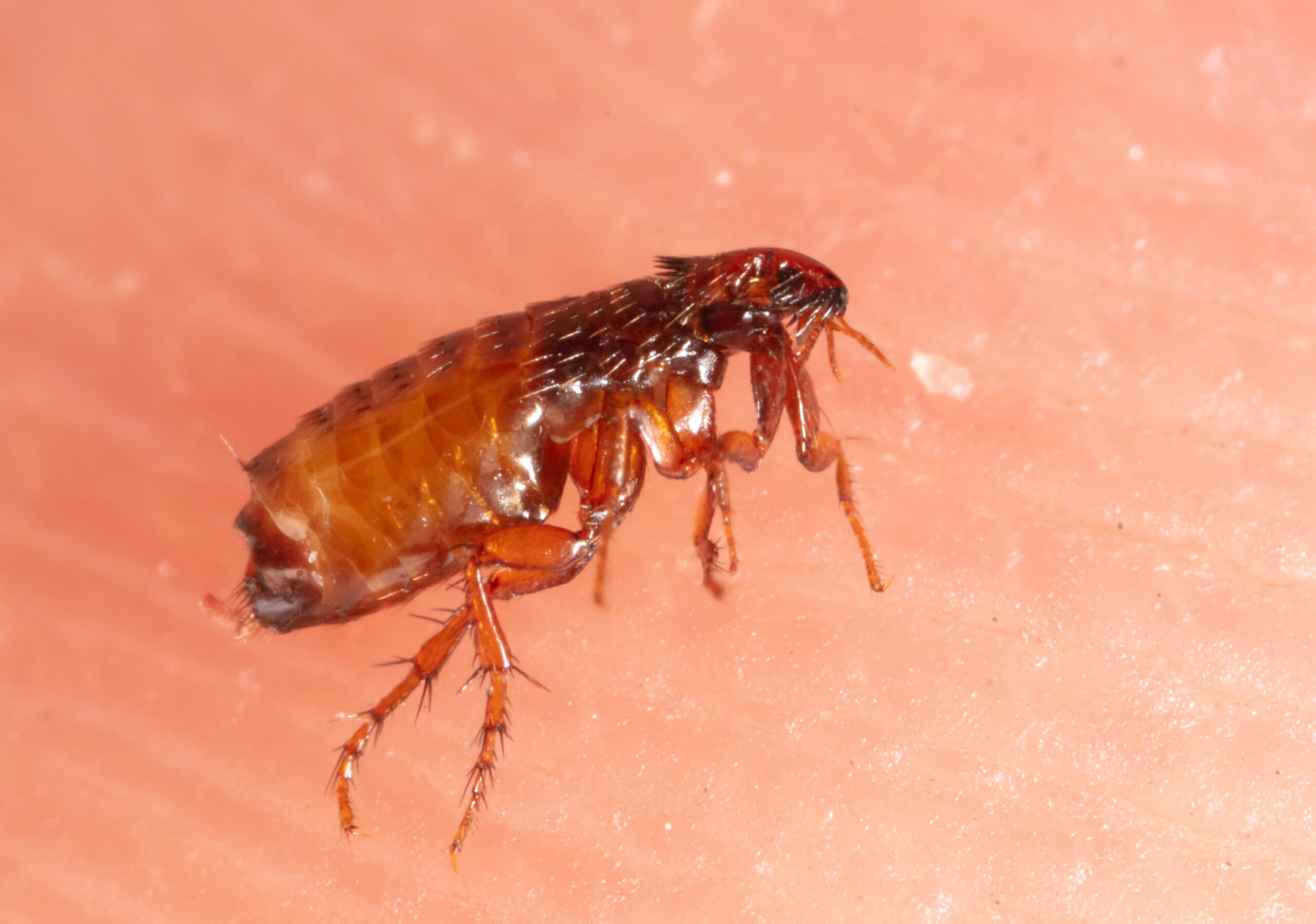
Fleas in California can be a problem year-round, especially where mild temperatures, moisture, and animals create favorable conditions for them to reproduce. Even a well-kept home can develop an infestation when pets or wildlife introduce fleas into the yard or living spaces.
You might first notice itchy bites around your ankles or dark specks in your dog’s bedding, long before you spot a flea. Understanding the cat flea life cycle, recognizing early warning signs, and treating pets and their surroundings together can help stop an infestation from spreading. For California homeowners, knowing where fleas develop is just as useful as knowing how to remove them.
Key Takeaways
- California’s climate can support flea activity throughout the year. Warm weather speeds up development when enough moisture is available, while sheltered outdoor areas and heated homes provide places for fleas to survive.
- A flea infestation involves more than the insects you see. Eggs, larvae, and pupae can develop in carpets, furniture, and pet bedding, which explains why fleas sometimes return after cleaning.
- Lasting flea control requires treating pets and their surroundings together. Veterinary flea prevention, regular vacuuming, yard maintenance, and targeted environmental treatment help interrupt the breeding cycle.
Why Fleas in California Can Thrive Beyond Summer
California doesn’t have one statewide flea season. Coastal areas often experience moderate temperatures, while inland cities like Sacramento and Fresno have hotter summers and cooler winter nights. Flea populations respond to local conditions rather than following a fixed calendar.
Warm temperatures allow fleas to develop faster when sufficient humidity is present. However, extreme heat and dry air can harm flea eggs and larvae. In the Central Valley, a shaded garden with regular irrigation may offer better conditions for immature fleas than an exposed patio baking in the afternoon sun.
Why Indoor Flea Activity Continues in Cooler Weather
Outdoor conditions tell only part of the story. Heated homes can provide comfortable temperatures for flea development even when winter weather makes outdoor survival more difficult. Carpets, upholstered furniture, and pet resting areas also provide protected spaces for immature fleas.
According to the University of California Integrated Pest Management Program (UC IPM), fleas can complete their entire life cycle in about 18 days at normal room temperatures, while fully developed adults can remain inside their cocoons for up to 12 months in cooler conditions. This means flea activity can continue indoors even when outdoor temperatures drop, making regular inspection and cleaning of pet resting areas important throughout the year.
How the Cat Flea Life Cycle Causes Rapid Infestations
The cat flea is one of the most common flea species found on household cats and dogs. Adult fleas feed on blood, and females can begin laying eggs after feeding and mating. Those eggs don’t remain attached to your pet’s fur. They fall into bedding, carpeting, and other places where the animal spends time.
Under favorable conditions, the flea life cycle can be completed in approximately two weeks. Cooler temperatures, limited moisture, or prolonged development inside a cocoon can extend that timeline considerably. This ability to reproduce quickly explains how a few fleas can become a much larger problem before you notice them.
The Four Stages of Flea Development
| Life Stage | What Happens | Common Locations |
| Egg | Female fleas lay eggs that fall from the animal’s coat. | Pet bedding, carpets, and furniture |
| Larva | Small, wormlike larvae feed on organic debris, including flea droppings containing digested blood. | Carpet fibers, floor cracks, and sheltered spaces |
| Pupa | Developing fleas remain inside protective cocoons before emerging as adults. | Undisturbed carpeting and animal resting areas |
| Adult | Fleas seek a host, feed on blood, and reproduce. | Pet fur and nearby resting areas |
Why Fleas Can Return After Treatment
The pupal stage is one reason flea infestations can be stubborn. Developing fleas remain protected inside cocoons, and adults may emerge when they detect movement, warmth, or carbon dioxide associated with a nearby host.
Imagine returning from a trip to find fleas jumping across a carpet that seemed completely clear before you left. Some may have emerged from cocoons already present in the room. Seeing new adults after an initial treatment doesn’t always mean the treatment failed, but continued monitoring and follow-up may be necessary.
How to Recognize Fleas and Find Their Source
Pet scratching is a familiar warning sign, but it’s not always the first one. Some animals react strongly to flea bites, while others show very little irritation. You may notice activity around the house before your dog or cat behaves differently.
Start with the places your pets use most frequently. Look around beds, rugs, sofas, and favorite sleeping spots. These locations can reveal signs of flea activity that are easy to miss during ordinary cleaning.
Flea Dirt, Ankle Bites, and Other Warning Signs
Flea dirt looks like tiny black or dark brown specks caught in an animal’s fur. To check for it, use a flea comb and place the collected specks on a damp white paper towel. Flea droppings contain digested blood, so they often leave reddish-brown stains when moistened.
Flea bites commonly appear around the ankles and lower legs, particularly when fleas emerge from carpeting or nearby floors. You might also see small, dark insects jumping across light-colored surfaces. Bites alone can’t confirm an infestation, since other insects can produce similar skin reactions.
How Pets and Wildlife Bring Fleas Inside
Dogs and cats can encounter fleas outdoors, around other animals, or in previously infested locations. Once an adult flea begins feeding, the animal can carry it indoors. Fleas may also arrive through stray cats, rodents, raccoons, and opossums visiting sheltered areas around a property.
For example, rodents nesting beneath a shed can introduce fleas into that area. Pets investigating nearby spaces may encounter them, while wildlife activity around crawl spaces can create problems even for households without pets. Identifying these sources matters when fleas continue appearing despite indoor cleaning.
How to Prevent and Control Fleas in Your Home
Effective flea prevention starts with protecting your pets and keeping their surroundings clean. Ask your veterinarian about an appropriate flea preventive for each animal, and follow the recommended treatment schedule. The right product depends on your pet’s species, age, health, and lifestyle.
Don’t assume a product labeled for dogs is suitable for cats. Some flea-control ingredients can be harmful to cats, so checking the label and following veterinary advice matters. Consistent protection also helps prevent newly encountered adult fleas from maintaining an infestation.
Vacuum and Wash Areas Where Pets Spend Time
Regular vacuuming helps remove flea eggs, some larvae, and the organic debris immature fleas use as food. During an active infestation, vacuum carpets, rugs, upholstered furniture, and floor edges frequently. Pay special attention to spots where your pets sleep or spend long periods resting.
Wash washable pet bedding according to its care instructions, and empty the vacuum promptly. Place collected debris in a sealed bag outside your living space. Cleaning should continue during treatment because immature fleas may still be developing in protected areas.
Maintain Your Yard and Limit Wildlife Activity
Pay attention to irrigated landscaping, shaded spaces beneath decks, and outdoor animal resting areas. Trim overgrown vegetation, remove unnecessary clutter, and keep pet bedding clean. You don’t need to treat an entire lawn when the problem is concentrated in a few sheltered locations.
Secure garbage containers and address rodent activity around sheds, garages, and crawl spaces. If animals are entering a structure, arrange appropriate exclusion measures without trapping wildlife inside. Reducing animal access helps limit the introduction of new fleas.
Why Treating Your Home and Pets Together Matters
Treating pets alone won’t immediately remove flea eggs, larvae, or pupae already developing around your home. Cleaning or treating the house without protecting pets creates another problem: adult fleas may continue feeding and producing eggs on untreated animals.
Coordinated flea control addresses both sides of the infestation. Depending on the severity, this may involve veterinary flea products, continued cleaning, targeted environmental treatment, and follow-up service. Some professional products contain insect growth regulators that interfere with immature flea development.
According to the Companion Animal Parasite Council (CAPC), established flea infestations can take several months to control, and every pet in the household must be treated. Consistent flea prevention and environmental cleaning help limit new egg production while addressing immature fleas already developing indoors.
Keep Fleas From Returning to Your California Home
Fleas in California can persist when favorable conditions allow them to develop indoors or around animal resting areas. Spotting flea dirt and ankle bites early, maintaining regular pet care, and addressing outdoor sources can keep a small problem from becoming a recurring infestation. When fleas continue appearing, professional treatment can help address activity beyond what routine cleaning reaches.
Official Pest Prevention has served Northern California and the Central Valley for more than 20 years, including communities around Sacramento and Fresno. Our local technicians provide professional flea control. If you’ve tried cleaning and pet treatments but fleas keep returning, contact Official Pest Prevention to discuss a coordinated flea control plan for your property.
Frequently Asked Questions About Fleas in California
When is flea season in California?
Flea activity can occur throughout the year in California, although the timing varies by region. Warm conditions with enough moisture encourage development, while extremely hot, dry weather can be unfavorable. Indoors, heated rooms and sheltered pet resting areas can support flea activity even during cooler months.
Can you have fleas in your house without pets?
Yes. Rodents, stray animals, and wildlife can introduce fleas into or around a home. Fleas may also emerge from cocoons left in a previously infested property. If you don’t have pets but keep finding fleas, inspect for animal activity around crawl spaces, sheds, and other sheltered areas.
Why do fleas keep coming back after treatment?
Flea pupae can remain protected inside cocoons while adult fleas are being removed. When those adults emerge, you may notice fresh activity despite earlier cleaning or treatment. Continued vacuuming, appropriate pet prevention, and following the pest professional’s treatment instructions help address fleas as they complete development.
