

You’ve probably stumbled upon a long, flat, wormlike critter with a ton of legs scurry across the bathroom floor at one point or another. This pest is known as the house centipede and it belongs to a diverse group of arthropods found in North America. They are often referred to as “hundred-leggers”, and they look much scarier than they actually are.
At Official Pest Prevention, we think it’s important to let our customers know all about this pest in particular, so they can have their minds at ease if they find it in their home.
Understanding The House Centipede
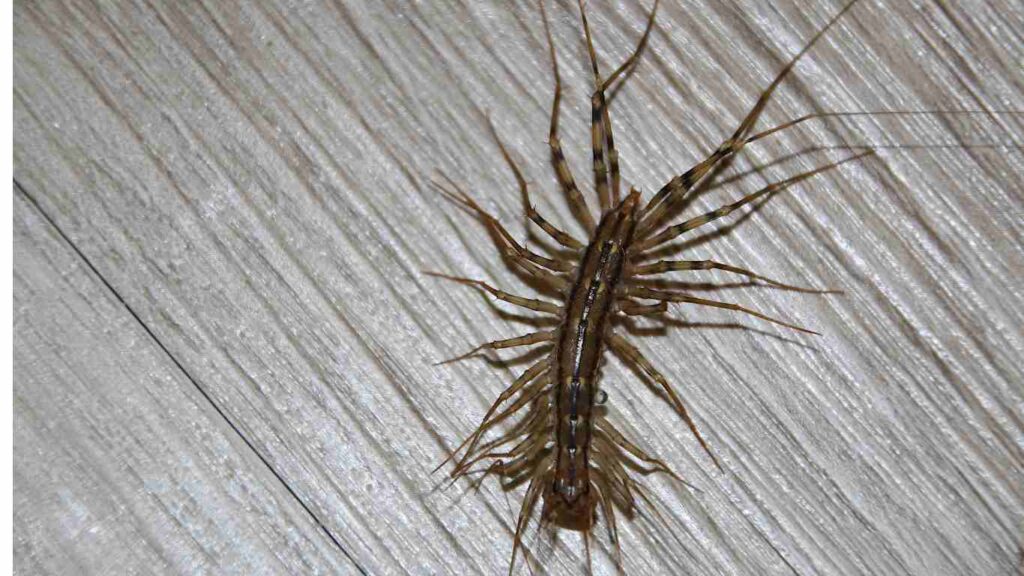
The common house centipede hunts small insects and other arthropods, including spiders and cockroaches. Although house centipedes are generally not aggressive toward people, they can deliver a sting when handled or threatened.
House centipedes may look scary, but the facts about them and their behavior are not. If you think you have too many house centipedes in your property, don’t hesitate to seek professional centipede control service to help you get rid of them.
Legs, Legs, and More Legs
The first thing you may notice about a house centipede is its many long legs. The very name “centipede”, means a hundred feet. It may look like it has a hundred legs, but in reality, it has 15 pairs of legs. It also has a pair of very long antenna on its head. Most of these creatures are yellowish-gray and have stripes down their bodies and across their legs.
There are a couple of reasons why they have so many legs. First, it helps them be very fast. They are both predators and prey, so their 1.3 feet-per-second speed is very helpful. Second, you can never tell which end of the centipede is the front or the back, which can actually deter predators.
Different Types of Legs
House centipedes have a pair of modified appendages called forcipules near their heads. These carry venom and help them capture and subdue prey. They are also capable of holding multiple victims in their legs. And, if any of their legs get caught, they can break them off and scurry away.
House centipedes are active hunters, they don’t build webs or traps, instead, they use their legs to jump on their prey or wrap them in.
House Centipede Behavior
Centipedes are night owls. Some centipede species invade homes, but humans rarely see them during the day. They typically hide in damp areas around the house, such as bathrooms, basements, and closets. At night is when centipedes are most active, as they forage for food.
Centipedes are carnivorous. They feed on many types of small household pests, including spiders, flies, cockroaches, etc. They detect their prey through their antennae.
The common house centipede can live for more than a year; in fact, their lifespan is considered long among arthropods.
Why Are House Centipedes In My House?
House centipedes prefer warm, tropical, humid climates. Their eyes are very sensitive to light, so they will most likely find a place to hide during the day. For homeowners, it is more likely to see them in their basements, bathrooms, and other areas that get wet and humid.
It is also highly possible for the average centipede to live its entire life on the bottom floor of a building, eating insects and living life at its fullest without being disturbed.
House centipedes are typically attracted to your home for food and shelter. Here’s what draws them in:
- Moisture: High humidity levels in basements, bathrooms, kitchens, and crawl spaces create ideal breeding grounds for centipedes.
- Food Sources: Since house centipedes feed on other insects, the presence of pests like cockroaches, silverfish, and ants can invite them into your home.
- Warmth: During colder months, centipedes seek warmth, which can drive them indoors.
- Clutter: Piles of cardboard boxes, papers, and other debris create hiding spots for centipedes and their prey.
Understanding these factors is crucial to preventing a centipede infestation in the first place.
Signs of House Centipede Infestation
Unlike some household pests, house centipedes leave few obvious signs of their presence. You are more likely to spot one running across the floor, climbing a wall, or hiding near a sink or bathtub than to find evidence of where it’s living.
Seeing house centipedes regularly is the clearest indication of ongoing activity. They are most active at night and move quickly when disturbed, often disappearing beneath cabinets, behind baseboards, or into other narrow spaces.
A single sighting does not necessarily mean you have an infestation. Even repeated sightings will not tell you how many centipedes are present, since the same individual may appear more than once.
How to Avoid Getting House Centipedes in Your Home

Prevention is always better than dealing with an infestation. Follow these 10 tips to keep house centipedes out of your home:
1. Reduce Moisture Levels
House centipedes thrive in damp areas, so reducing moisture is key. Use a dehumidifier in basements or crawl spaces and ensure proper ventilation in bathrooms and kitchens. Fix any leaky pipes, faucets, or HVAC systems immediately.
2. Seal Cracks and Gaps
House centipedes often enter homes through small cracks in doors, windows, and walls. Inspect your home for potential entry points and seal them with silicone caulk. Don’t forget to check areas around utility pipes and vents.
3. Eliminate Other Pests
Since centipedes feed on other insects, a pest-free home is less attractive to them. Schedule regular pest control services to eliminate common centipede prey like spiders, ants, and cockroaches.
4. Declutter Your Home
Remove unnecessary clutter, especially in basements, attics, and closets where centipedes like to hide. This includes old cardboard boxes, stacks of paper, and unused items that provide shelter for pests.
5. Maintain Your Yard
Centipedes can enter your home from outdoor areas, so proper yard maintenance is essential. Keep grass trimmed, clear away fallen leaves, and remove piles of wood or debris close to your home’s foundation.
6. Install Weather Stripping
Add weather stripping around doors and windows to block potential entry points. This not only prevents centipedes but also keeps other insects and pests outside.
7. Use Sticky Traps
Set up sticky traps in areas where you’ve seen centipedes, such as basements and corners of bathrooms. While this won’t eliminate an infestation, it can reduce their population.
8. Clean Regularly
Regular cleaning helps eliminate hiding spots and reduces the risk of centipedes taking up residence. Pay special attention to dark, damp areas and ensure your floors, carpets, and baseboards are cleaned thoroughly.
9. Use Natural Repellents
Essential oils like tea tree, lavender, and peppermint have natural repellent properties that can deter centipedes. Mix a few drops of essential oil with water and spray it around baseboards, windows, and doors.
10. Inspect Firewood
If you store firewood outdoors, keep it at least 20 feet away from your home. Centipedes often hide in woodpiles, and bringing untreated firewood indoors can lead to an infestation.
Are House Centipedes Dangerous To People?
House centipedes generally avoid people and rarely bite (or sting) unless handled or threatened. If a bite occurs, it may cause temporary pain, redness, or swelling.
Most bites do not require medical treatment, but symptoms can vary. Seek medical attention if you experience a severe reaction, worsening symptoms, or signs of an allergic response.
House Centipede Exterminators Near You
Finding a house centipede in the bathroom doesn’t necessarily mean you have an infestation. However, repeated sightings can point to damp conditions or other insects that provide a food source. Addressing those conditions can make your home less attractive to centipedes.
Centipede removal for homes is covered under the recurring home pest plan, along with millipedes, silverfish, spiders and earwigs. Official Pest Prevention works with homeowners throughout Northern and Central California, including Elk Grove, Sacramento, and Stockton, to identify household pest activity and recommend appropriate treatments.
If centipedes are becoming a recurring problem, home pest control can help address the insects they’re feeding on as well. Contact us to learn more about our services or to schedule a pest inspection.
