
Bed bugs in California homes often arrive unnoticed in luggage, used furniture, or belongings moved from an infested building. They can also spread between connected apartments through small openings in walls and around utility lines. You might first suspect them after noticing dark spots on your sheets or waking up with unexplained bites.
These insects hide in places most people wouldn’t think to check, which allows an infestation to develop before anyone spots a live bug. Knowing how they travel, what evidence they leave, and where to inspect can help you catch a problem early and choose the right treatment.
Key Takeaways
- Bed bugs spread by hitchhiking. Travel bags, secondhand furniture, and belongings moved between homes are common ways they reach new locations. They can also move between neighboring apartments.
- Bites aren’t enough to confirm bed bugs. Rust-colored stains, dark fecal spots, shed skins, and live insects provide stronger evidence. Check furniture and nearby hiding places, not just the mattress.
- Established infestations need a coordinated treatment plan. Cleaning and careful inspection help, but hidden insects and eggs can make professional bed bug treatment necessary.
How Do Bed Bugs Spread Through California Homes?
Bed bugs can’t fly or jump. They crawl between nearby hiding places and travel longer distances when people unknowingly carry them in personal belongings. A suitcase left beside an infested hotel bed, for example, can bring insects home without anyone noticing.
The Centers for Disease Control and Prevention (CDC) explains that bed bugs occur in places where people sleep, including homes, hotels, and apartments. Their presence has nothing to do with how clean a property is, since they feed on blood rather than crumbs or household waste.
Travel and Overnight Accommodations
Hotels, vacation rentals, and shared accommodations give bed bugs opportunities to move between people and properties. They may hide in luggage seams, backpacks, folded clothing, or other belongings kept near an infested sleeping area.
When you return home, those same belongings can introduce bed bugs to your bedroom. This is why checking luggage after a trip matters, even when you didn’t notice insects during your stay.
Used Furniture and Moving Boxes
Secondhand furniture creates another entry point. Bed bugs can hide inside upholstered chairs, bed frames, couches, and dressers, particularly around seams, joints, and drawer tracks.
Moving boxes and stored belongings can also transport insects from one property to another. Before bringing used items inside, inspect accessible cracks and upholstery carefully. A clean-looking surface doesn’t guarantee that the hidden spaces are clear.
Shared Walls in Apartments and Condominiums
Bed bugs can move between connected units through openings around pipes, electrical lines, and other structural gaps. This makes infestations more complicated in apartment buildings and condominiums.
If several units have activity, inspecting only one bedroom may miss insects in neighboring spaces. Residents should report suspected infestations to property management so affected units can be assessed together.
What Are the Early Signs of Bed Bugs?
Bed bug bites often raise the first suspicion, but they don’t prove an infestation. Some people develop itchy bumps or welts, while others show no visible reaction. Mosquito bites and certain skin conditions can produce similar symptoms.
The U.S. Environmental Protection Agency (EPA) recommends looking for physical evidence, including rusty stains, dark spots, eggs, shed skins, and live bed bugs. These clues are especially useful when insects remain hidden during the day.
Warning Signs to Look For
| Warning sign | What you may notice |
| Bed bug bites | Itchy red bumps or welts, sometimes appearing in groups |
| Rust-colored stains | Reddish-brown marks on sheets or mattresses from crushed bed bugs |
| Dark fecal spots | Small dark stains on fabric, furniture seams, or nearby surfaces |
| Shed skins | Pale, empty coverings left as young bed bugs grow |
| Eggs and eggshells | Tiny, pale objects tucked into protected spaces |
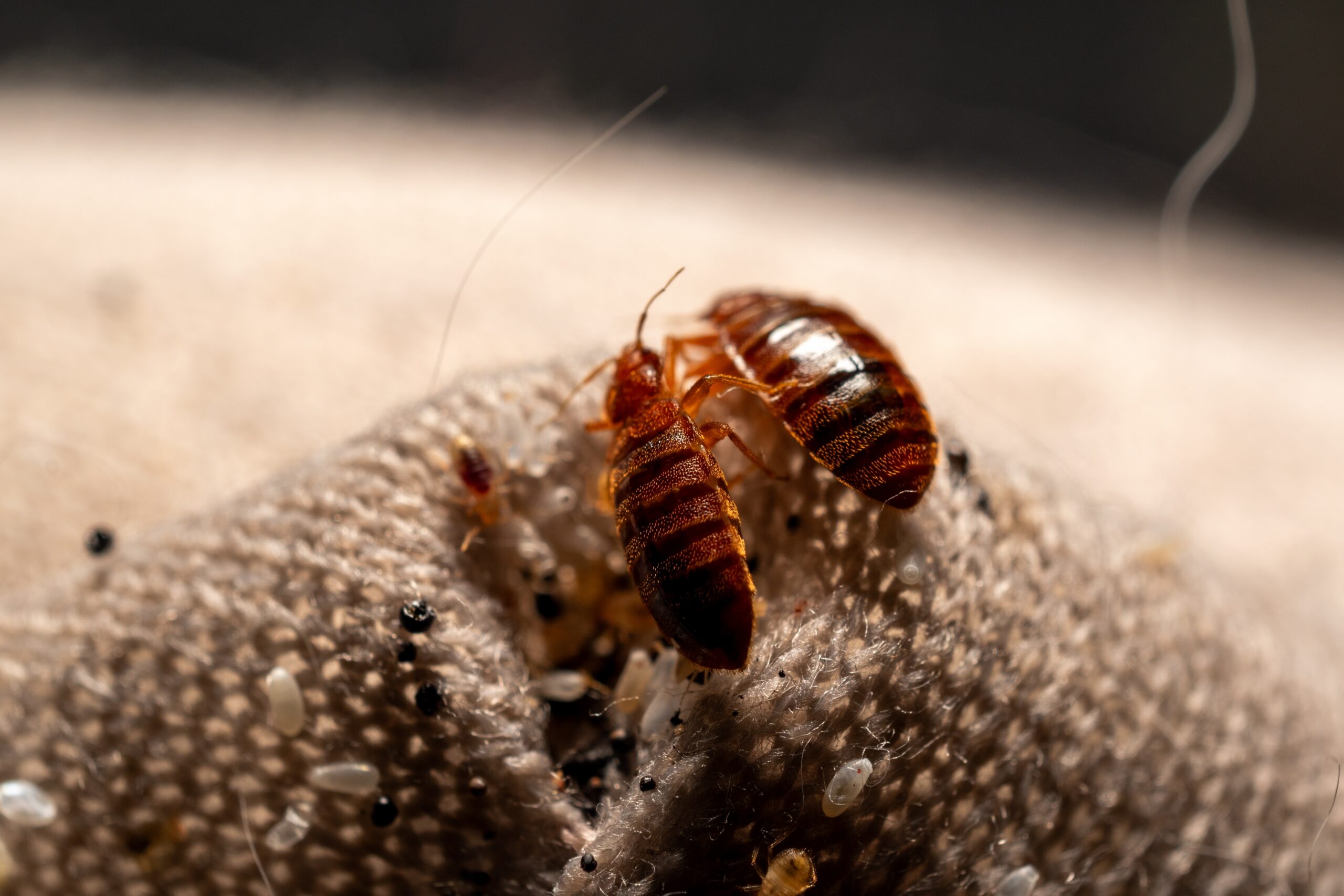
| Live bed bugs | Flat, oval, brownish insects, with adults typically measuring about 5 to 7 millimeters |
Where Do Bed Bugs Hide Beyond the Mattress?
Bed bugs prefer narrow spaces close to where people sleep or rest. Mattress seams are common hiding places, but insects may also shelter inside bed frames, headboards, upholstered furniture, and nearby wall openings.
Check these areas first when you suspect activity:
| Inspection area | Where to look |
| Mattress and box spring | Seams, piping, labels, and accessible underside areas |
| Bed frame and headboard | Screw holes, joints, cracks, and connecting pieces |
| Nightstands and dressers | Drawer tracks, corners, and furniture joints |
| Upholstered furniture | Cushion seams, underside coverings, and frame connections |
| Nearby walls | Baseboards, loose wallpaper, picture frames, and accessible gaps |
Start with the bed and work outward using a flashlight. Take pictures of suspicious stains, and place any insects you find in a sealed container for identification.
Avoid moving potentially infested furniture into another room while investigating. That can carry hidden bed bugs into areas that were previously unaffected.
How Can California Homeowners Prevent Bed Bugs?
Preventing bed bugs starts with paying attention to items moving into your home. Travel and secondhand purchases deserve particular care because insects can remain concealed in belongings long enough to reach another property.
You don’t need to discard every used item or avoid traveling. A few practical habits can reduce the chance of bringing bed bugs home and help you catch suspicious activity sooner.
Before and After Traveling
Inspect the mattress seams, headboard, and nearby furniture when you arrive at a hotel or vacation rental. Keep luggage away from the bed while checking the sleeping area, and avoid placing clothing directly on upholstered furniture.
After returning home, inspect your suitcase before putting it away. Clothing that may have been exposed can be dried on a suitable high-heat setting, following the fabric’s care instructions. Washing alone may not provide the same control as adequate dryer heat.
Before Buying Secondhand Furniture
Examine used furniture in good lighting, including seams, drawers, underside coverings, and joints. Pay extra attention to upholstered items because insects can hide deep inside their construction.
If you discover live insects, eggs, or suspicious spotting, don’t bring the item inside. Consider having valuable secondhand furniture professionally inspected if you can’t examine its concealed areas.
Preventing Bed Bugs From Spreading Indoors
If you suspect an infestation, leave affected furniture in place until you receive treatment instructions. Moving mattresses, bedding, or upholstered items through the house can transport insects into another room.
Reduce clutter near sleeping areas so hiding places are easier to inspect. Keep suspicious belongings contained, and communicate with property management if you live in a connected building.
Why Professional Bed Bug Treatment Is Often Necessary
Bed bugs are difficult to eliminate because they shelter in narrow spaces, and their eggs may be hidden in locations household treatments never reach. Finding one insect doesn’t necessarily reveal the full extent of an infestation.
The EPA’s Do-It-Yourself Bed Bug Control guidance emphasizes integrated methods, careful preparation, monitoring, and appropriate treatment. A single spray application isn’t a reliable substitute for inspecting and addressing all affected locations.
Why Common DIY Treatments Fall Short
Household sprays may kill exposed bed bugs without reaching insects inside furniture or structural gaps. Total-release foggers are especially limited because their contents often fail to penetrate the narrow hiding places where bed bugs spend their time.
Discarding mattresses isn’t always necessary either. Without proper containment, carrying infested furniture through the home can spread insects elsewhere. Treatment decisions should follow a confirmed inspection rather than an assumption that every affected item must be thrown away.
What Professional Treatment Involves
A pest control technician first assesses where bed bugs are active and how far they may have spread. Depending on the property and infestation, treatment may include targeted pest control products, specialized heat treatment, or a combination of methods.
Homeowner preparation matters. You may need to handle clothing and bedding according to specific instructions, reduce clutter, or install suitable mattress encasements. Follow-up inspections help determine whether additional activity remains.
Protect Your California Home With Professional Bed Bug Control
Bed bugs can arrive through travel, used furniture, or belongings moved between properties. Their small size and concealed hiding places make infestations difficult to recognize, especially when bites are the only suspected sign. Checking for physical evidence and avoiding unnecessary movement of affected items can help prevent the problem from spreading.
Official Pest Prevention can inspect suspected bed bug activity, identify affected areas, and recommend appropriate treatment options, including specialized heat treatment when suitable. Professional assessment also helps you understand how to prepare and whether follow-up visits are needed.
If you’ve found suspicious stains, shed skins, or live insects around your bed, contact Official Pest Prevention to arrange an inspection. Getting the infestation identified early gives you a clearer path toward effective bed bug control.
California Bed Bugs: FAQs
Can you bring bed bugs home from a hotel?
Yes. Bed bugs can hide in luggage seams, clothing, backpacks, and other personal belongings kept near infested furniture. Inspect sleeping areas when traveling, keep bags away from the bed, and check your luggage when returning home. Clothes that may have been exposed should receive appropriate heat treatment.
Can bed bugs travel through apartment walls?
Yes. Bed bugs can crawl between connected apartments through structural openings, including gaps around plumbing and electrical penetrations. Shared walls don’t automatically mean insects will spread, but activity in neighboring units deserves attention. Building management should coordinate inspections when multiple apartments show signs of infestation.
How do you know if you have bed bugs or another insect?
Look for physical evidence rather than relying on bites. Rust-colored stains, dark fecal spots, shed skins, eggs, and live insects can point to bed bug activity. Adult bed bugs are flat, oval, and brownish. A pest control professional can help identify a collected specimen.
Can you get rid of bed bugs without professional treatment?
Small, localized infestations may respond to careful, sustained control efforts, but complete elimination is difficult without locating all hiding places. Inappropriate applications can create additional problems. Professional inspection is especially useful when activity continues, multiple rooms are affected, or neighboring units may be involved.
