
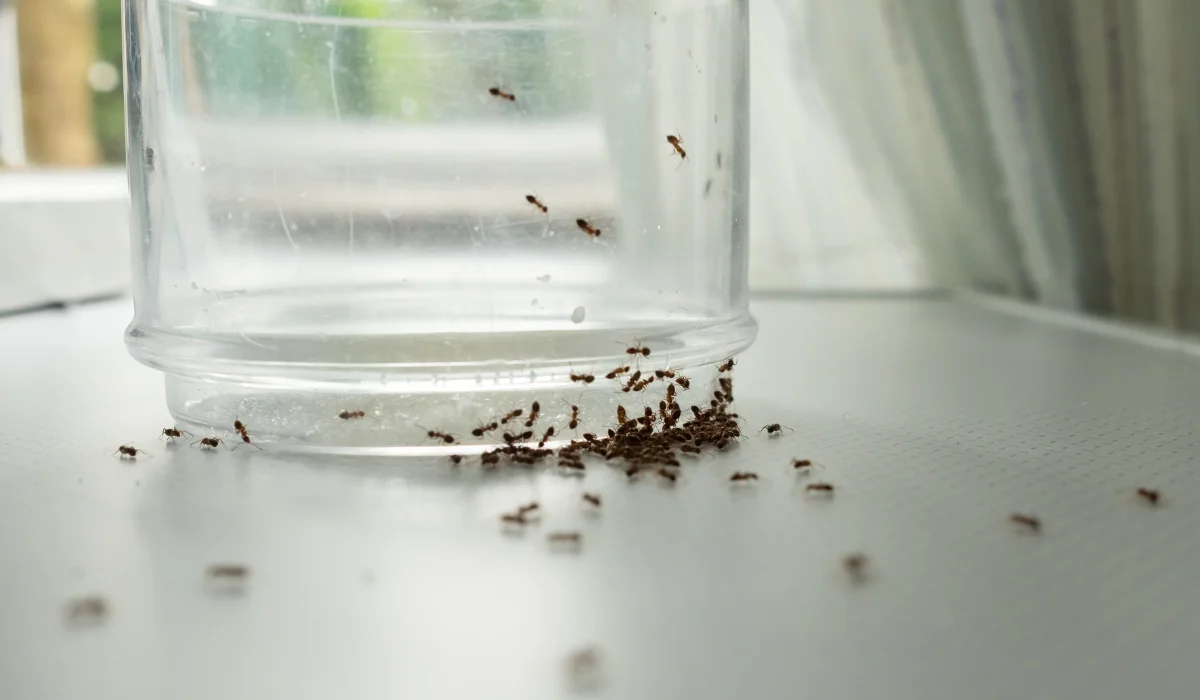
Ants along the kitchen counter. A silverfish in the bathroom. A beetle sitting on a bedroom windowsill. When you find an insect indoors, the first question is usually simple: What is it doing here?
Many insects in California move between yards and homes as temperatures, moisture, and food sources change. Some get inside by accident and disappear just as quickly. Others find enough food, water, or shelter to stay.
Knowing which situation you are dealing with saves time and helps you respond appropriately. This guide covers the common insects in California homes, why pest activity changes with the seasons, which bugs deserve more attention, and when professional pest control makes sense.
Key Takeaways
- Not every indoor bug means you have an infestation. Location, frequency, and species tell you more than a single sighting.
- Seasonal weather changes where insects look for food, water, and shelter. Hot, dry, wet, and cool periods can all change pest activity around California homes
- Recurring pests usually need more than surface treatment. Finding the source, correcting conditions, and identifying the pest are often the most useful next steps.
What Insects Commonly Get Inside California Homes?
California homes can attract very different insects depending on the property, neighborhood, and season. In Sacramento, Fresno, and other parts of the Central Valley, long stretches of warm weather can keep outdoor insect activity going for much of the year. Irrigated landscaping also gives pests moisture close to homes during otherwise dry periods.
The most common California household insects include ants, cockroaches, silverfish, earwigs, carpet beetles, crickets, spiders, and fleas. Where you find the insect often gives you the best first clue.
| Insect | Common Indoor Location | Main Reason It Shows Up |
| Ants | Kitchens, bathrooms, windows | Food, water, or an entry route |
| Cockroaches | Kitchens, garages, cabinets | Food, moisture, warmth, shelter |
| Silverfish | Bathrooms, closets, storage areas | Humid conditions and stored materials |
| Earwigs | Garages, bathrooms, ground-floor rooms | Damp shelter near the home |
| Carpet beetles | Closets, carpets, windowsills | Food sources for developing larvae |
| Crickets | Garages, doors, utility areas | Shelter and access from outside |
| Spiders | Corners, garages, storage spaces | Other insects to feed on |
| Fleas | Carpets, pet bedding, furniture | Pets or wildlife |
A cricket beside the garage door is usually an entry problem. Several cockroaches of different sizes in a kitchen point to something else. Frequency, location, and the type of insect matter more than a single sighting.
What Is Crawling Around My Kitchen?
Kitchens give insects several things they need in a small space. Water collects around sinks and plumbing. Crumbs fall behind appliances. Cabinets and wall gaps create quiet hiding places.
Ants are often the easiest kitchen bugs to recognize because they form visible trails. Follow the line before wiping it away, and you may find where workers are entering around a window, pipe, backsplash, or cabinet seam.
Could It Be a Cockroach?
Small tan cockroaches around sinks, refrigerators, dishwashers, or cabinets deserve prompt attention. German cockroaches can live and reproduce entirely indoors, so repeated sightings are different from an occasional outdoor roach that wandered inside.
Rutgers University reports that a German cockroach egg case can contain about 40 eggs. That helps explain why a small indoor population can grow when food, water, and hiding places remain available.
What About Tiny Beetles or Flies?
Small beetles around a pantry may have come from flour, cereal, rice, spices, pet food, or another stored product. Check packages for insects, webbing, damaged contents, or fine debris before treating shelves.
Tiny flies call for a different search. Look at ripe fruit, trash, recycling, drains, and damp organic material. Killing the adults without removing the breeding source usually leaves the underlying problem in place.
Why Do Bugs Show Up More During Certain Seasons?
There’s no single California bug season. Seasonal pests in California respond to temperature, rainfall, irrigation, daylight, and the life cycle of each insect. That’s why one month may bring ants indoors while another brings more crickets, wasps, or mosquitoes outside.
Hot weather doesn’t always drive bugs in California away from homes. During dry periods, irrigated yards, kitchens, bathrooms, and shaded foundation areas may provide more dependable moisture than the surrounding landscape. Rain can create a different problem by disturbing insects living in soil or damp outdoor shelter.
| Seasonal Condition | What Homeowners May Notice |
| Warmer spring weather | More ants, wasps, flies, and active insects |
| Hot, dry stretches | Increased movement toward water and irrigated areas |
| Heavy irrigation | More moisture close to foundations |
| Rain | Ground-dwelling pests leaving saturated areas |
| Cooler nights | Crickets and other insects moving into sheltered spaces |
| Standing water | More places for mosquitoes to develop |
Mosquito activity also varies by species and local conditions. The California Department of Public Health states that California has more than 50 mosquito species. Homeowners don’t need to identify every species, but removing containers that hold water can eliminate many backyard breeding sites.
Which Household Insects Are Harmless, and Which Need Attention?
Some house bugs in California look worse than they are. Earwigs are a good example. Their pincers make them easy to remember, but an occasional earwig indoors is usually a nuisance tied to damp outdoor conditions rather than a serious indoor infestation.
Crickets also tend to be more annoying than threatening. They may chirp from a garage or slip under a door when outdoor conditions change. Many common spiders behave similarly, settling in places where other insects provide food.
Which Pests Should I Take More Seriously?
Cockroaches deserve more attention because they can establish populations indoors and contaminate food-handling areas. Seeing small roaches repeatedly, especially in a kitchen, should prompt a closer inspection.
Carpet beetles and silverfish present a different kind of problem. Carpet beetle larvae can damage certain natural-fiber materials, while silverfish may feed on paper products, bindings, and stored materials.
Fleas, ticks, and stinging insects bring bite or sting concerns into the picture. Termites are different again because their main concern is wood damage. The right response depends on what the pest can actually do, not simply how unpleasant it looks.
| Pest | Typical Homeowner Concern |
| Earwigs | Mostly nuisance activity |
| Crickets | Noise and occasional material damage |
| Silverfish | Damage to paper and stored materials |
| Carpet beetles | Damage from larvae feeding on susceptible materials |
| Cockroaches | Indoor reproduction and contamination concerns |
| Fleas and ticks | Bites and potential health concerns |
| Wasps and yellowjackets | Stings near active nests |
| Termites | Wood and structural damage |
Why Are Bugs Getting Into a Clean House?
Clean homes still have doors, plumbing lines, vents, garages, windows, landscaping, and dozens of tiny gaps. An insect doesn’t need a dirty kitchen if it can find moisture beneath a sink or enter through a worn door sweep.
This is especially common in California homes with irrigated landscaping. Damp mulch, leaf litter, dense plants, or soil kept wet against the foundation can support insects only a few feet from an exterior wall. Once they are that close, a small opening may be enough.
How Do They Get Inside?
Some common bugs in California homes crawl through openings around doors, windows, vents, and utility lines. Others arrive with belongings. Boxes, grocery bags, luggage, plants, used furniture, and pet items can all carry certain pests indoors.
Look at the pattern instead of blaming housekeeping. Bugs appearing around one door suggest something different from insects showing up inside pantry packages or beneath a bathroom sink. The location often points toward the source.
How Can You Keep Insects Out of Your California Home?
Good pest prevention starts with the conditions you can change. Repair leaks, keep food sealed, clean beneath major kitchen appliances, empty unnecessary standing water, and avoid letting irrigation soak the area directly beside the foundation.
Then look at access. Replace worn door sweeps, repair screens, seal gaps around pipes, and check the bottom of the garage door. Plants touching exterior walls can also give insects an easy route toward windows, eaves, and siding.
The approach follows the basic principles in the U.S. Environmental Protection Agency’s integrated pest management guidance: identify the pest, reduce conditions that support it, monitor what happens, and use targeted treatment when needed.
What Can I Do First?
| Problem | Useful First Step |
| Ant trail in the kitchen | Clean the food source and trace the entry point |
| Cockroaches near appliances | Check for food debris, leaks, and protected hiding areas |
| Silverfish in a bathroom | Address humidity or persistent dampness |
| Carpet beetles in a closet | Vacuum thoroughly and inspect susceptible materials |
| Mosquitoes outside | Empty containers holding standing water |
| Earwigs near a doorway | Reduce damp debris and seal ground-level gaps |
| Crickets in the garage | Inspect the garage seal and nearby openings |
| Spiders appearing indoors | Reduce insect prey and close entry routes |
When Does Professional Pest Control Make Sense?
Professional pest control makes sense when the same pests keep returning, activity spreads to several rooms, or the source is hidden somewhere you can’t inspect safely. Recurring cockroaches, suspected termites, persistent fleas, and active stinging-insect nests near doors or family areas are good examples.
It also helps when identification is uncertain. Treating the wrong insect wastes time and may leave the actual source untouched. A trained technician can identify the pest, inspect likely hiding or entry areas, and choose treatment based on what is happening at the property.
Official Pest Prevention serves California homeowners dealing with ants, cockroaches, spiders, silverfish, earwigs, crickets, beetles, fleas, ticks, and other household pests. If insects in California keep returning after you have addressed food, water, and entry points, contact Official Pest Prevention to have the problem inspected and treated at its source.
Insects in California: FAQs
What are the most common insects in California homes?
Ants, cockroaches, silverfish, earwigs, carpet beetles, crickets, spiders, and fleas are among the insects homeowners commonly encounter indoors. The mix changes by property and season. Where you find the pest, how often it appears, and whether several life stages are present can help narrow down the problem.
Why do I suddenly have more bugs in my house?
A sudden increase often follows changes in temperature, rain, irrigation, or available food and water. Outdoor pests may move indoors when conditions become too hot, dry, wet, or cool. Check entry points, leaks, food storage, and exterior moisture before assuming the problem started inside the house.
When should I call pest control for household insects?
Call a professional when pests return after basic prevention, appear in several rooms, or are difficult to identify. Cockroaches, termites, persistent fleas, and stinging insects near high-use areas deserve faster attention. Professional inspection is also useful when the source appears to be inside walls, cabinets, or other inaccessible spaces.
