
Argentine ants are small, brown, invasive ants that commonly enter California homes in search of food and water. Their colonies often have multiple queens and interconnected nests, making recurring infestations difficult to control. Getting rid of Argentine ants involves removing food and moisture sources, sealing entry points, and using appropriately selected ant baits. If they keep returning, professional treatment can help address activity beyond the ants you see indoors.
What Are Argentine Ants?
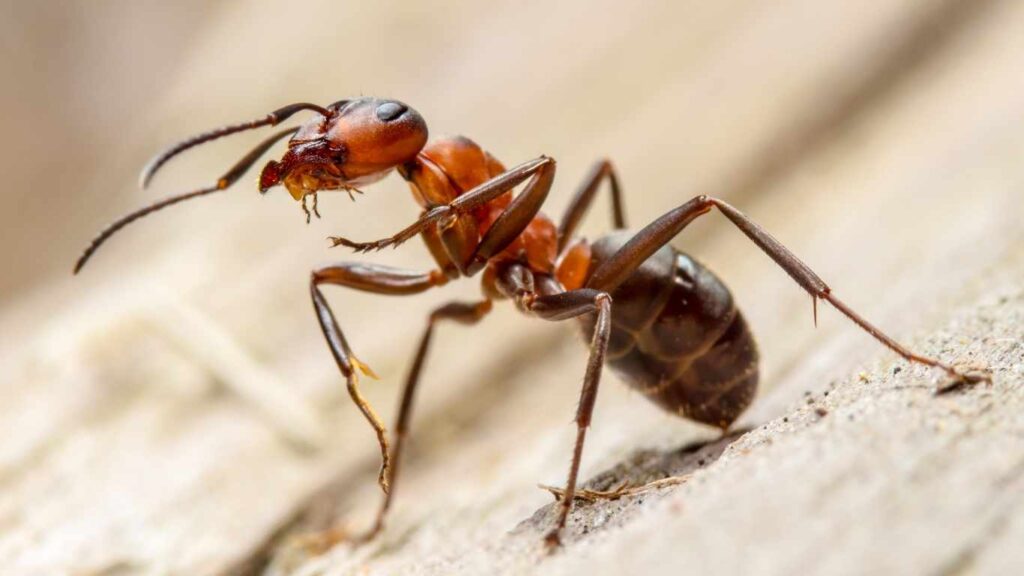
Argentine ants are small, invasive ants native to South America. Workers are typically about 2 to 3 millimeters long, with light to dark brown bodies. They’re common in many parts of California, particularly around homes, gardens, and irrigated landscaping.
Unlike ant species that defend separate colonies against one another, Argentine ants can form large networks of cooperating nests. A single colony can have multiple queens and occupy several nesting sites. This helps Argentine ants persist even when activity at one nest is disrupted.
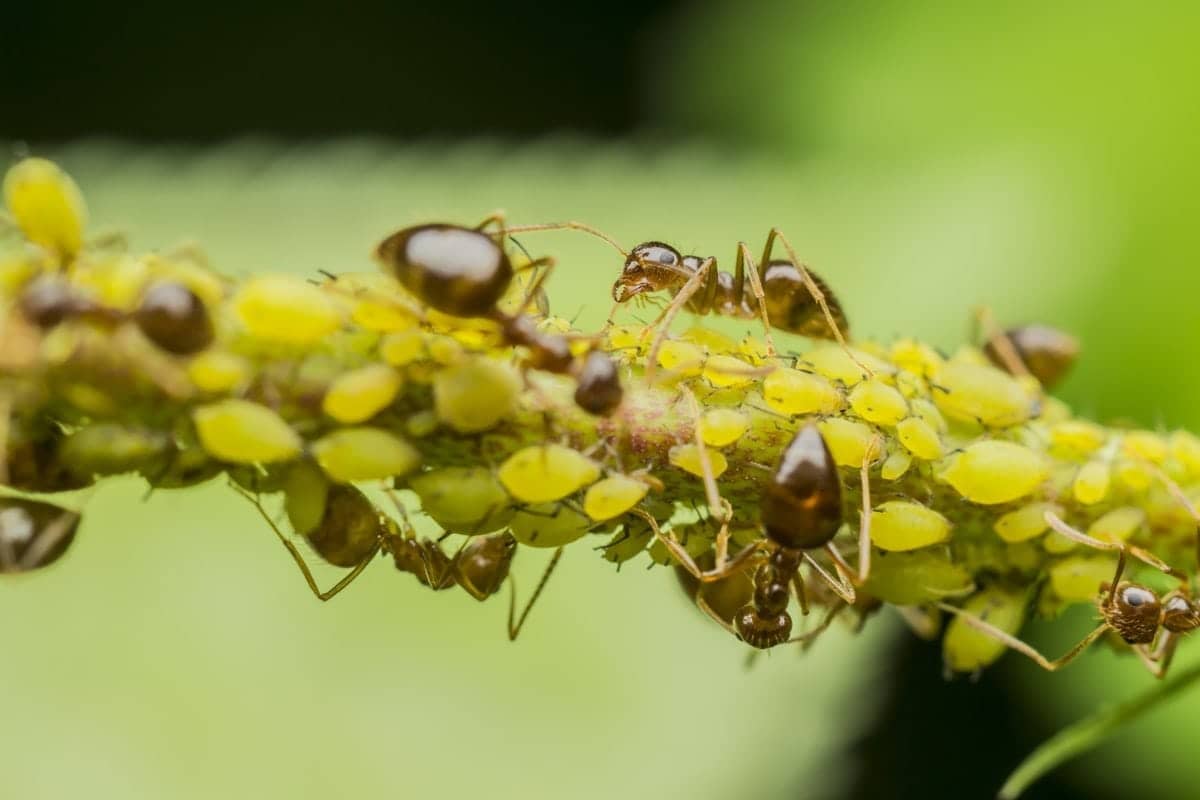
Argentine ants don’t eat wood or cause structural damage like termites. However, they can become persistent household pests when workers find food or moisture indoors. They also compete with native ants and protect aphids and other honeydew-producing insects, which can contribute to problems in gardens and landscaping.
Where Do Argentine Ants Live?
Argentine ants are commonly found in moist environments, both outdoors and indoors. Outdoors, they nest in damp areas like soil under mulch, rocks, concrete pads, or wood debris. Indoors, they are often found near moisture sources such as behind bathroom walls, in kitchen vents, or crawl spaces.
These ants often build extensive nests across multiple locations and connect them through tunnels. Geographically, they are native to South America (Argentina, Brazil, Uruguay, and Paraguay) but have spread to many parts of the world, including California. They thrive in areas with suitable temperatures and moisture, particularly where homes, gardens, and irrigated landscapes provide reliable food and water.
How Long Do Argentine Ants Live?
Argentine worker ants typically live for 10 to 12 months, while queens can survive for several years. However, their lifespan varies based on factors such as their role within the colony and environmental conditions. The survival of an Argentine ant colony is largely dependent on its queens, and in these colonies, multiple queens can coexist, laying up to 60 eggs per day.
Queens can also split from the main colony through a process called budding, taking a group of worker ants with them to establish new nests. This adaptability allows the colonies to persist for extended periods, even after the death of a queen, as another queen takes her place. Argentine ants are known for their aggressive behavior towards other ant species, often eliminating them to protect and expand their own colonies.
What Do Argentine Ants Eat?
Argentine ants feed on sugary substances, including nectar and honeydew produced by aphids and other sap-feeding insects. They also consume proteins from insects and other available food sources.
Around homes, they may gather near spilled drinks, food scraps, pet food, and moisture sources. Their food preferences can change with the colony’s needs and environmental conditions.
How Do Argentine Ants Invade?
It is due to their sheer numbers that Argentine Ants take over from other native insects. A highly territorial creature, they will even team up with other colonies of Argentine ants nearby to form a supercolony and go about exterminating other pests in the area.
How Did I Get Argentine Ants?
The Argentine Ant is only interested in finding the next source of food and water. Your home is the perfect location for these invasive ants to target, as there is an endless supply of both provided you keep up to date on your grocery shopping habits.
As they have originated in South America, the Argentine ant prefers warm climates. That is why in Sacramento, during the winter months when it cools down and gets chilly, they will try to get into your warm and cozy home. They naturally prefer the outdoors but won’t think twice about setting up shop inside your residential or commercial property.
Argentine ants are opportunistic nesters. They don’t put a lot of work into creating their nest because they pick up and move quickly as food sources dwindle or there is a threat to the colony. They simply will nest under cement walkways, rocks, flower pots, ground covering (weed block), etc.
What Threats Do Argentine Ants Pose?
Argentine ants pose a serious threat to native wildlife and to the human population. They disturb the natural food chain and, through their sheer numbers in colonies, exterminate other ants and demolish food and water sources in quick succession. They don’t stay in a permanent location for long, only until the last piece of food and water has been diminished. They are hard to track as their colonies shift onto the next food source. Although they are a smaller species of ant, they easily overpower native ant species through their sheer numbers. These pests are relentless and can exterminate much larger species, even ones with stingers.
Argentine ants can displace native ant species and interfere with other insects in areas where they become established. Around California homes, they are especially troublesome when large numbers of workers enter kitchens, bathrooms, or other areas in search of food and water.
Are There Positives To Argentine Ant Infestations?
Argentine ants may prey on other small insects, but their presence doesn’t provide reliable protection against termites or other wood-damaging pests. Homeowners should treat suspected termite activity as a separate concern rather than relying on ants to control it.
But Argentine ants also tend aphids and other honeydew-producing insects, which can contribute to pest problems on garden plants. The honeydew produced by the Aphids is a food source for the Argentine ant.
Signs of an Argentine Ant Infestation
Argentine ants often travel in long, visible trails between their nesting areas and sources of food or water. Unlike some household pests, they don’t usually leave behind obvious physical damage, so watching where they gather and how they move is the best way to spot activity.
Long Trails of Small Brown Ants
One of the clearest signs is a steady line of small, light to dark brown ants moving along countertops, baseboards, walls, or outdoor surfaces. Argentine ants use chemical trails to guide other workers toward food and water, which explains why so many follow the same route.
Look for trails around kitchen sinks, pet food bowls, and exterior walls. Workers may travel in both directions as they move between feeding areas and their nests.
Ants Gathering Near Food and Moisture
Argentine ants frequently gather around sugary spills, food scraps, pet bowls, and damp areas. You may find them beneath sinks, near leaking pipes, or around bathroom fixtures.
Outdoor activity is also common near irrigation lines, potted plants, and moist soil. Finding ants in these locations can help you identify what’s attracting them to your property.
Recurring Ant Activity in Different Areas
Argentine ants can occupy multiple connected nesting sites, so you may notice trails appearing in different parts of your home or yard. Cleaning up one trail doesn’t necessarily stop workers from using another route.
If the ants keep returning to the same areas, follow their movement to look for entry points around windows, doors, and foundations. Repeated sightings suggest ongoing activity, although they don’t reveal how many ants or nests are present.
How to Get Rid of Argentine Ants
To get rid of Argentine ants, start by removing accessible food and water, finding where they enter your home, and using ant bait suited to the species. Because Argentine ants can maintain several connected nests with multiple queens, killing the workers you see won’t necessarily stop new ants from coming inside.
1. Remove Food and Water Sources
Wipe up crumbs and spills, store food in sealed containers, and remove uneaten pet food after meals. Check beneath appliances, around trash cans, and along kitchen cabinets for residue that attracts foraging ants.
Repair leaking faucets and pipes, empty standing water, and look for damp areas around your foundation. During California’s hot, dry months, irrigated landscaping and indoor moisture sources can attract Argentine ants searching for water.
2. Follow Ant Trails and Seal Entry Points
Before wiping away an ant trail, watch where the workers are coming from. Check along baseboards, window frames, door thresholds, and plumbing openings. Following the trail toward your home’s exterior can help you identify gaps the ants use to get inside.
Seal accessible cracks with caulk and replace damaged weatherstripping. Trim branches or shrubs touching the house to reduce routes from nearby vegetation.
3. Choose and Place Ant Bait Carefully
Ant bait can help reduce Argentine ant colonies when workers carry the bait back to their nests and share it with other ants. Choose a product labeled for Argentine ants and follow its directions for placement, handling, and disposal. Keep bait stations out of reach of children and pets.
Argentine ants consume sugary liquids and other food sources, including proteins. Their feeding preferences can vary with the season and conditions around the colony, so a bait that attracts them at one time may receive less attention later.
Avoid applying ant sprays near bait stations or along the trails ants use to reach them. Sprays can repel or kill workers before they collect the bait, reducing its effectiveness. Follow the bait product’s instructions and allow enough time to assess the results.
4. Monitor Activity Around Your Home
Check the areas where ants previously entered and watch for new trails. A drop in activity along one route doesn’t always mean the entire colony is gone, particularly when ants occupy several nesting locations.
Inspect mulch, potted plants, irrigation lines, and the edges of walkways for ongoing activity. Repair outdoor leaks, adjust excessive watering, and move vegetation away from siding where practical.
5. Consider Professional Treatment for Recurring Activity
If Argentine ants continue entering your home after you’ve addressed food sources, moisture, and entry points, you may be dealing with nesting sites that are difficult to locate or reach. A pest control technician can identify the ants, assess their travel routes, and recommend treatment based on the conditions around your property.
Argentine Ant Control
The only effective control is to locate and eliminate the Argentine ant colony. Assuming they aren’t nesting in a wall, expansion joint in a garage, or a crack in the slab foundation of the home a trail must be located outside. Once the trail is located, it must be followed through the landscaping to the nest.
This isn’t as easy as it sounds. This often involves getting on your hands and knees and digging through grass, shrubbery, and bark or rocks. Weed blocking material must be pulled back and inspected underneath. Argentine ants may also be climbing up a tree that overhangs the house or a power pole and coming into the home from the roof.
Argentine ants have also been known to nest in the debris built up in gutters, leaving no trail to locate outside. Once the nest is found, the control material needs to be applied very slowly, filling the nest without collapsing the tunnels to ensure 100% elimination.
Hire Argentine Ant Control Experts
Wiping away an Argentine ant trail may interrupt the activity for a while, only for another line of ants to appear the next day. These ants form interconnected colonies with multiple queens, which can make recurring invasions difficult to manage through cleaning or surface treatments alone.
Official Pest Prevention’s residential ant control service can help homeowners determine where Argentine ants are traveling and what treatment approach fits the activity found. For ongoing protection, our recurring home pest control plan includes ants, as well as spiders, crickets, earwigs, silverfish, and centipedes.
Argentine ants can move between outdoor nesting areas and homes through small gaps around foundations, doors, and plumbing. If you are dealing with persistent trails in Sacramento, Fresno, Stockton, or other neighboring communities, contact us to schedule an inspection. Official Pest Prevention can assess the problem and explain your treatment options.
