
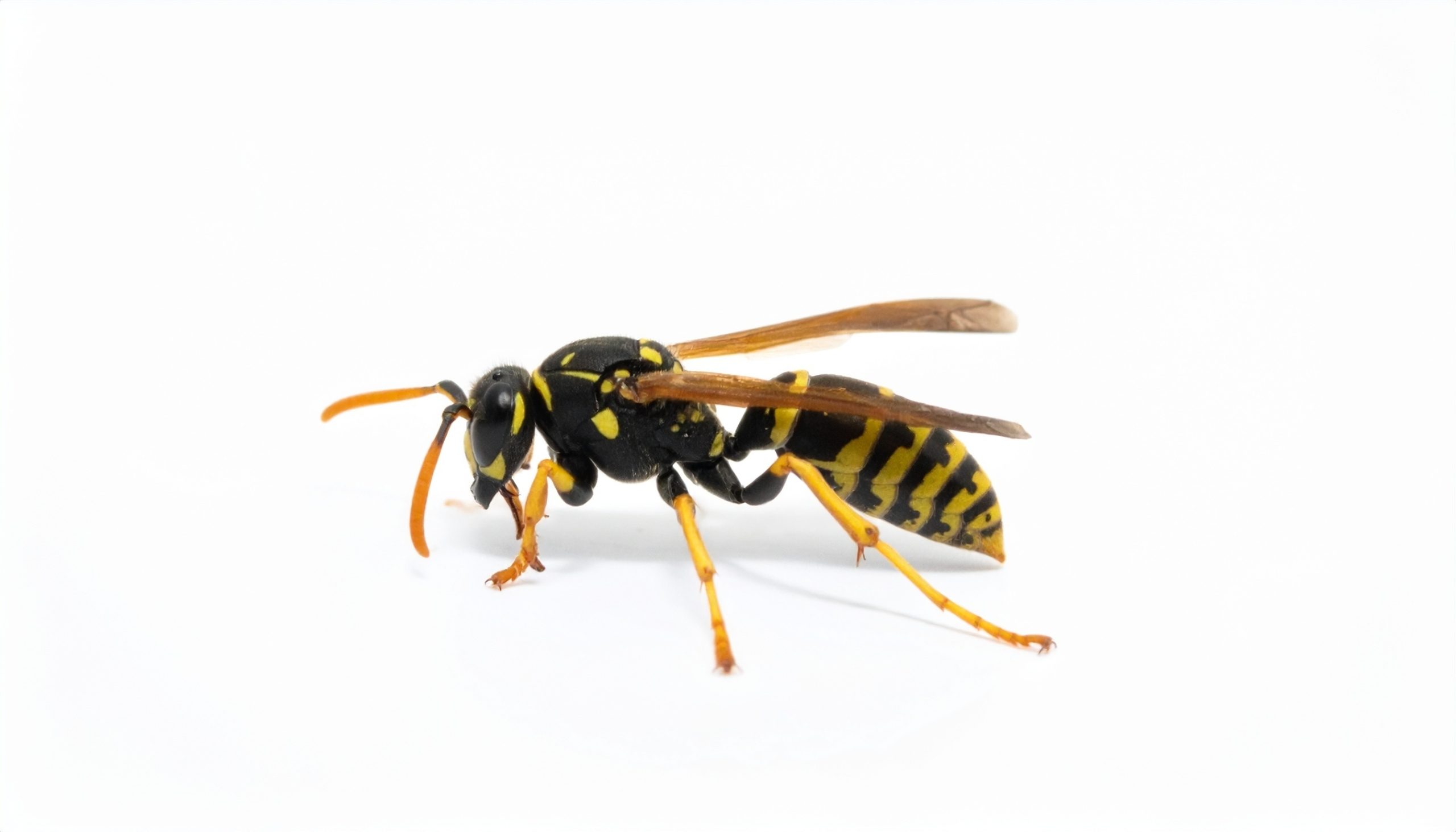
A yellow jacket sting can bring a backyard meal or afternoon of yard work to an abrupt stop. September does not make the venom stronger, but it often creates the conditions for a more painful encounter. Colonies have had most of the warm season to grow, so more workers are flying, gathering food, and defending the nest.
That timing matters in California. Warm September weather keeps people outdoors near patios, lawns, fruit trees, garbage cans, and garden beds. Those are also places where yellow jackets may hunt for food or enter a concealed nest.
A late-season incident may involve several workers or repeated stings from one insect. Knowing what changes inside the colony helps you avoid a nest, recognize dangerous symptoms, and respond without making the situation worse.
Why Yellow Jacket Sting Risk Rises in September
Yellow jacket sting risk rises as colonies become larger and busier. A nest that held relatively few workers in early summer may support much more activity by September. Each worker must travel between the nest and nearby food sources, which increases the chance of contact with people.
The sting itself is not known to become more painful because of the month. What changes is the likely encounter. One yellow jacket can sting more than once, and several workers may respond if movement or vibration threatens a mature colony.
| What Changes in September | How It Affects Sting Risk |
| Colonies have more workers | More insects travel around the nest and surrounding property |
| Food-seeking activity is easy to notice | Workers gather near drinks, fruit, meat, pet food, and garbage |
| Yard maintenance continues | Mowing, digging, and trimming may disturb a hidden nest |
| Workers can sting repeatedly | A single insect may deliver several stings |
| Outdoor meals remain common | People spend time close to the same foods yellow jackets seek |
A single worker searching a patio for food is different from a colony defending its entrance. The second situation can escalate quickly, especially when the nest is underground or hidden inside a structure.
How Yellow Jacket Season Builds Toward Fall
Yellow jacket season usually begins in spring when a queen establishes a small nest. She raises the first group of workers, which then take over food collection, construction, and defense. The queen remains inside and continues laying eggs while the worker population expands.
By late summer, the colony has had months to grow. The University of California Statewide Integrated Pest Management Program explains that colonies generally reach their largest size in late summer or early fall. It also notes that scavenging yellow jackets can become persistent around outdoor food and garbage.
California weather does not force every colony to follow the same schedule. Nest location, species, food supply, and local temperatures all affect yellow jacket activity. Even so, September often brings a noticeable overlap between mature colonies and people spending time outside.
The annual cycle eventually ends as colder weather arrives. Most workers and the old queen die, while newly produced queens seek protected places to spend the cold season. Until that change occurs, a busy nest may remain active around a home or business.
Why Food Brings Yellow Jackets Close to People
Late-summer yellow jackets often appear around patios and picnic tables because adult workers need carbohydrates for energy. Soda, juice, ripe fruit, desserts, and sticky food residue can attract them. They also collect meat and other protein-rich material for larvae inside the colony.
A worker circling a plate is usually searching for food. It may sting when someone swats at it, presses it against clothing, or handles an item where it is hiding. Calm movement and covered food reduce the chance of turning a foraging visit into a defensive reaction.
Open Drinks Need Extra Attention
A yellow jacket can crawl into a soda or juice can without being visible from the outside. A person who takes another sip may trap the insect against the lips, tongue, or throat. Swelling in that area deserves prompt medical attention because it may interfere with breathing.
Clear cups make insects easier to spot, while lids limit access. Children should also be reminded to look at drinks that have been sitting outside before they take another sip.
| Common Attractant | Practical Prevention Step |
| Soda, juice, and sweet tea | Keep drinks covered or pour them into clear cups |
| Meat and fish scraps | Remove plates soon after eating |
| Fallen fruit | Pick it up before it softens or ferments |
| Pet food | Bring bowls indoors after feeding |
| Outdoor garbage | Use containers with tight-fitting lids |
| Recycling | Rinse cans and bottles that held sweet liquids |
| Sticky residue | Clean tables, grills, carts, and patio surfaces |
Managing attractants can reduce yellow jacket activity around occupied spaces. It will not remove an established colony, so repeated traffic near one opening still needs careful attention.
Why One Yellow Jacket Sting Can Become Several
A yellow jacket sting differs from the sting most people associate with a honey bee. A yellow jacket usually pulls its stinger free, which allows it to strike again. It does not need to sacrifice itself after the first sting.
Repeated stings are more likely near a yellow jacket nest. Workers defend the colony when they detect footsteps, digging, vibration, or sudden movement close to the entrance. Lawn equipment can provoke that response before the operator sees a single insect.
Hidden Nests Are Easy to Disturb
Ground nests may have only one visible opening. Look for workers entering and leaving a hole beside a shrub, tree root, retaining wall, irrigation box, or patch of dry soil. Wall voids, roof gaps, and utility spaces can also provide sheltered nesting sites.
Stop working when several insects appear around one location. Do not stand beside the entrance to inspect it, and do not seal the opening with soil, foam, caulk, or another material. Blocking the visible route may push workers toward another exit without controlling the colony.
Yellow Jacket Sting Symptoms and Emergency Signs
Yellow jacket sting symptoms usually begin with sharp pain, redness, itching, tenderness, or swelling near the site. A typical local reaction remains limited to that area and gradually improves. Washing the skin and using a cold pack may ease the discomfort.
A large local reaction spreads beyond the immediate sting site. Swelling may involve much of a hand, foot, arm, or leg and can continue developing into the next day. Contact a medical professional when swelling keeps increasing, affects movement, becomes severe, or causes concern.
Signs of an Allergic Reaction
Trouble breathing, tongue or throat swelling, widespread hives, faintness, dizziness, vomiting, or sudden weakness may indicate anaphylaxis. A person with prescribed epinephrine should use it according to the emergency plan and call 911. Emergency evaluation is still needed after epinephrine is given.
The American Academy of Allergy, Asthma & Immunology advises people with a known severe insect-sting allergy to carry epinephrine and discuss longer-term care with an allergist. Reactions may be uncommon, but they can progress quickly.
| Reaction Type | Possible Symptoms | Recommended Response |
| Typical local reaction | Pain, redness, itching, limited swelling | Wash the area, use a cold pack, and monitor |
| Large local reaction | Swelling that extends well beyond the sting | Contact a medical professional |
| Possible anaphylaxis | Breathing trouble, throat swelling, hives, dizziness | Use prescribed epinephrine and call 911 |
| Multiple stings | Numerous painful sites, weakness, nausea, or headache | Seek prompt medical evaluation |
| Mouth or throat sting | Pain or swelling near the airway | Get urgent medical care |
What to Do After a Yellow Jacket Sting
Move away from the area before treating the injury. If the nest is close, workers may still be responding to the disturbance. Walking calmly to a protected location reduces the chance of receiving more yellow jacket stings.
Wash the site with soap and water. Apply a cold pack wrapped in cloth for short periods, and remove rings, watches, or tight clothing before swelling develops around them. Yellow jackets usually do not leave a stinger behind, but check the skin when the insect was not clearly identified.
An over-the-counter pain reliever or oral antihistamine may help some people. Follow the label and consider age, pregnancy, allergies, health conditions, and other medications. A pharmacist or medical professional can help when those factors make the choice unclear.
Continue watching for symptoms away from the sting site. Breathing difficulty, facial swelling, widespread hives, faintness, or vomiting requires emergency action rather than home observation.
How to Prevent Yellow Jacket Stings in September
Preventing yellow jacket stings starts with reducing close contact. Cover food outdoors, clean spills, close garbage containers, and remove fallen fruit from lawns or garden beds. Check any drink that has been left unattended.
Watch for repeated flights before mowing, trimming, or digging. Several workers using the same hole or wall gap may indicate an active yellow jacket nest. Give the area space and keep children and pets away.
Closed-toe shoes provide useful protection around dry lawns, orchards, and garden beds. Avoid swatting at a worker that approaches food. Slow movement gives the insect room to leave without becoming trapped against skin or clothing.
Prevention has limits once a colony is established. Food management may reduce scavenging around a patio, but it cannot resolve nest defense near a doorway, play space, walkway, or work area.
When Yellow Jacket Nest Removal Requires Professional Help
Yellow jacket nest removal becomes more urgent when workers are crossing an area people use every day. Nests near doors, patios, walkways, play spaces, loading areas, or customer entrances create repeated opportunities for stings.
Underground and wall-void colonies are difficult to evaluate from the surface. Spraying visible workers may not reach the nest, and approaching the entrance can place you inside the colony’s defensive zone. Treatment should account for the nest location, surrounding structure, and normal traffic around the property.
Official Pest Prevention begins by identifying the insect and locating the activity. That step matters because an underground yellow jacket colony, a wall-void nest, and an exposed paper-wasp nest require different decisions.
Reducing Yellow Jacket Sting Risk in California
A yellow jacket sting is not stronger simply because September has arrived. The greater risk comes from mature colonies, increased worker traffic, repeated-stinging ability, and more contact around food or yard work.
Keep attractants under control and stop outdoor work when several workers appear near one opening. Do not seal, spray, dig into, or otherwise disturb a suspected nest from close range.
Contact Official Pest Prevention when yellow jacket activity affects a doorway, patio, play space, or other occupied area. Its local California team can identify the nest and recommend a treatment suited to the property.
