
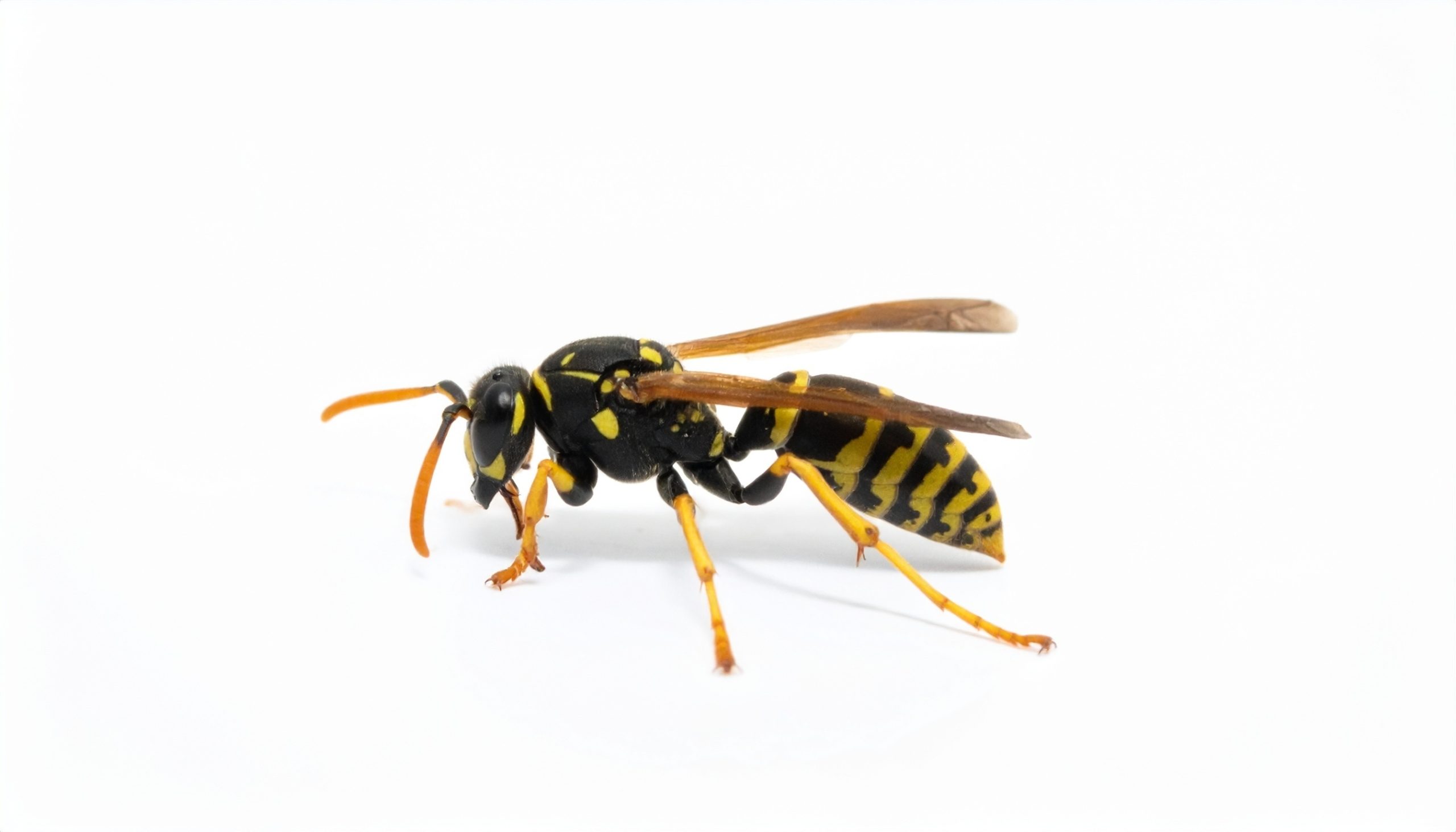
If you have ever been stung by a yellow jacket, you know how quickly a calm moment can turn painful. One moment, you are enjoying your yard. Next, you are swatting and trying to get away.
Many homeowners quickly ask whether yellowjackets can sting more than once, especially after being stung several times in quick succession.
In Northern California, yellow jackets remain active through late summer and early fall, making insect control especially important during barbecues, yard work, and outdoor play. These insects behave differently from honeybees. Knowing the difference helps you stay safer.
Learning how yellow jackets behave, why their stings hurt, and when to get help can reduce risk and stress.
Key Takeaways
- Yellow jackets can sting repeatedly, often when they feel threatened.
- Yellow jacket stings cause pain, swelling, and sometimes an allergic reaction.
- Multiple stings increase the risk of serious symptoms, especially for children and seniors.
- Professional pest control reduces the chance of future stings around your home.
Video: What’s The Difference Between Bees, Wasps, Yellow Jackets, and Hornets?
This short video walks through insect behavior patterns and their respective differences. It provides helpful context on why pests show up around homes and how their characteristics vary.
Why Yellow Jackets Can Sting More Than Once
Yes, yellowjackets can sting more than once. Their ability to sting repeatedly makes them more dangerous than honeybees.
Unlike honeybees, yellow jackets have smooth stingers without barbs. Smooth, barbless stingers are one of several key differences between hornets, wasps, and bees that affect how often they can sting. Yellow jackets keep their stingers after attacking, allowing them to inject venom with each strike.
When one yellow jacket stings, it releases a scent that draws other yellow jackets. That scent can turn a single encounter into many stings if you disturb a nest or get too close.
Yellow jackets often build nests near people. They nest underground, inside walls, under decks, and near roof edges. Nesting in these hidden locations puts homeowners at risk without warning.
What Makes Yellow Jacket Stings So Painful
A yellow jacket sting hurts because the venom quickly affects nerves and skin tissue. The sting area often turns red, swollen, and warm within minutes. Pain can last for hours, especially when swelling increases.
Yellow jacket stings often hurt more than other insect stings because people may get stung several times. Each sting adds more venom to the body, increasing the risk of stronger reactions.
For a mild sting reaction, wash the area with soap and water and apply a cold compress to help reduce pain and swelling. Over-the-counter hydrocortisone cream or an anti-itch lotion may help relieve itching. Follow the product directions when using any medication.
Pain relievers like acetaminophen or ibuprofen often help. Antihistamines can reduce swelling and itching in mild cases.
When A Sting Becomes Dangerous
Most people recover with basic care, but allergic reactions cause serious problems. Symptoms include hives, swelling away from the sting, trouble breathing, or dizziness.
A severe allergic reaction, called anaphylaxis, can develop rapidly after a sting. Warning signs include difficulty breathing, throat tightness, fainting, or swelling of the tongue or throat. Call 911 immediately if these symptoms occur.
People who have been prescribed an epinephrine auto-injector should use it as directed for suspected anaphylaxis. Emergency medical care is still necessary after epinephrine is given.
Even without allergies, multiple stings can cause serious effects. Children, older adults, and people with health conditions face a higher risk after repeated stings.
Why Yellow Jackets Act More Aggressively In Late Summer
Yellow jackets change behavior in late summer and early fall. Food becomes harder to find, and colonies reach their largest size. Workers begin searching trash cans, outdoor food, and sugary drinks.
The combination of larger colonies and fewer food sources causes yellow jackets to appear more aggressive during outdoor activities. Swatting often leads to stings because quick movements signal danger. Moving calmly and leaving the area lowers the risk, but nests nearby still pose a threat.
Yellow jackets can visit flowers and contribute to pollination, although they aren’t as closely associated with pollination as honeybees. They also prey on other insects. If a nest is located near an entrance, play area, or frequently used outdoor space, the risk of disturbing it is a more useful factor when deciding whether to seek removal.
Common Nest Locations Around Homes
Yellow jacket nests often stay hidden until activity increases. Many homeowners do not realize a wasp nest exists until they get stung.
Common nest locations include:
- Underground burrows
- Wall cavities
- Under decks or porches
- Roof edges and eaves
Because nests remain hidden, do-it-yourself removal often results in multiple stings. Knowing how to identify and get rid of yellow jackets helps homeowners avoid risky mistakes, while professionals use protective gear and proven methods to remove nests safely.
If you notice steady yellow jacket activity in one area, especially near entry points, it is time to act.
What To Do Immediately After A Sting
After a sting, move away from the area to avoid more attacks. Wash the sting with soap and water. Apply a cold compress to reduce pain and swelling.
Watch symptoms closely. If swelling spreads, breathing becomes difficult, or chest tightness appears, seek medical care right away.
Do not scratch the sting. Broken skin raises the risk of infection. Keep the area clean and dry until swelling goes down.
Preventing Future Yellow Jacket Problems
Prevention starts by reducing attractants. Keep garbage cans sealed. Clean food spills right away. Cover food and drinks during outdoor meals.
If a wasp nest appears on your property, avoid disturbing it. Many homeowners try to handle nests themselves, which often results in stings. Attempts to remove wasp nests in the fall lead to more stings because colonies reach their peak size then.
Professional pest control can help identify active nesting sites and determine an appropriate treatment approach. Trained technicians evaluate nest locations, apply targeted treatment, and prevent yellow jackets from rebuilding in the same area.
Treating a nest can reduce yellow jacket activity in that location, but it does not guarantee that new colonies will not establish nests elsewhere on the property.
Choosing Professional Help For Yellow Jacket Control
Yellow jackets can sting repeatedly when defending a nest, making removal risky for homeowners without appropriate training or equipment. Professional yellow jacket pest control can help address active nests while reducing the need for residents to approach or disturb them.
Our team treats yellow jackets, hornets, and other stinging insects with safety in mind. Local technicians understand seasonal behavior and common nest locations throughout the Sacramento and Central Valley areas. If yellow jackets have taken over your yard or home exterior, professional help reduces the risk of stings and restores comfort outdoors.
Making The Right Call For Yellow Jacket Safety
A few yellow jackets visiting outdoor food or drinks do not necessarily mean there is a nest on your property. But if you see them repeatedly entering a hole in the ground, an opening beneath a deck, or a gap near the roofline, keep your distance. Disturbing an active nest can trigger defensive stinging.
Homeowners can start with identifying the insect. Contact us today to schedule an inspection and take the next step toward a safer, sting-free home.
Once activity is confirmed, you can schedule yellow jacket removal. For nests or other stinging insects around the exterior of your home, Official Pest Prevention also provides wasp nest removal. Homeowners can request local wasp control in Sacramento, Elk Grove, and Modesto.
Yellowjacket Stings: FAQs
Can yellowjackets sting more than once in a single attack?
Yes, yellow jackets can sting repeatedly because their stingers lack barbs. Stingers without barbs allow yellow jackets to inject venom multiple times, increasing pain and health risks during an encounter.
How long do yellow jacket stings last?
Pain usually peaks within minutes and improves within a few hours. Swelling may last one to three days, depending on sensitivity and whether multiple stings occurred.
When should I see a doctor for yellow jacket stings?
Seek medical care if you experience difficulty breathing, widespread swelling, dizziness, or signs of an allergic reaction. Multiple stings also justify a medical evaluation.
