
What if we told you that one of the most common pests found in your Sacramento home actually survived the mass extinction events that took down the T-rex and its fellow dinosaurs? Well, there is an insect that has been on this earth for over 400 million years and is not easily removed. Let us introduce the Silverfish:
What is a Silverfish?
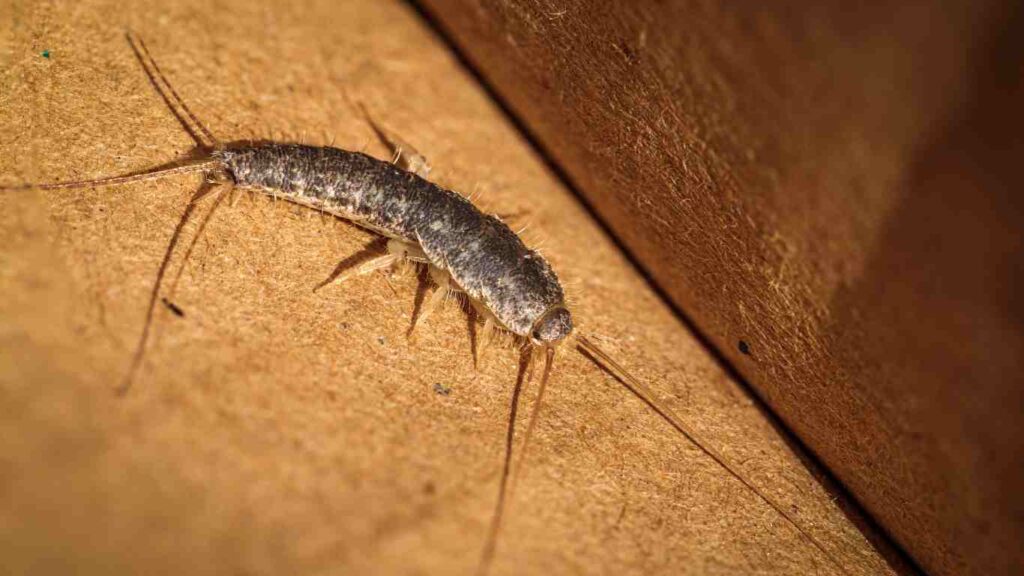
Silverfish are small wingless insects that are common household pests found in places like Elk Grove, Sacramento, and Roseville. Silverfish are not fish, but their name originates from their fish-like appearance and movement.
Silverfish can live for several years under favorable conditions. Their development and reproduction depend on factors such as temperature, humidity, and food availability. When these conditions remain suitable, silverfish populations can persist indoors.
What Does a Silverfish Look Like?
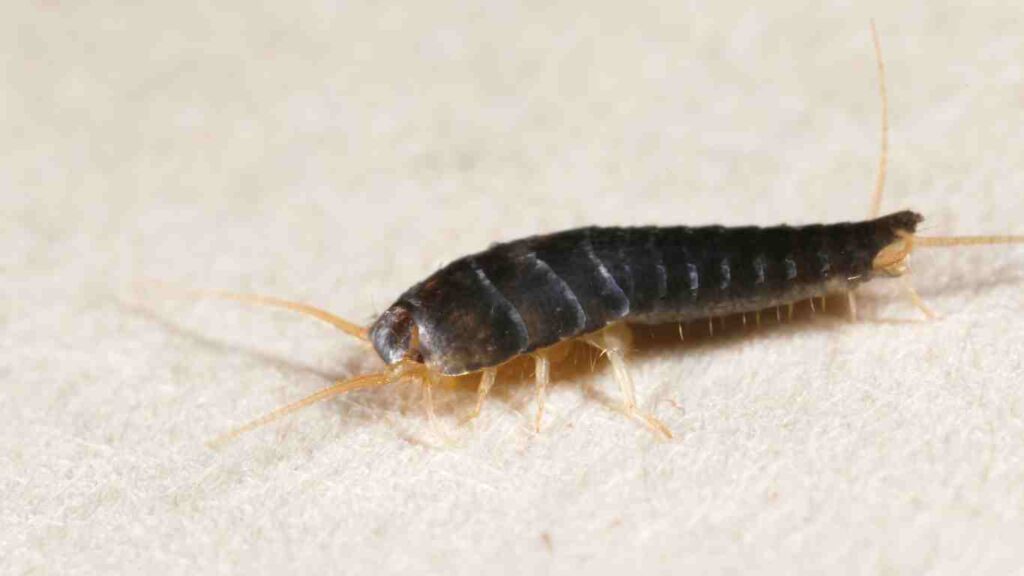
The silverfish is small, usually between half an inch to a full inch in length. As their name suggests, they are silver-gray in color, with a metallic shine as they get older. Their bodies become thinner towards the end, further highlighting their fish-like appearance.
Silverfish have two long antennae at the front of their bodies and three tail-like appendages at the rear. Their tapered, flattened bodies help them move into narrow spaces. Silverfish generally avoid light and are most active at night.
What Do Silverfish Eggs Look Like?
Silverfish eggs are usually laid in clusters of one to twenty at a time. Initially, they are soft and white in appearance, but after a few hours of reacting with the oxygen, they will turn a shade of yellow. They measure only 1 mm in length and are more oval-shaped than spherical.
What are The Signs of a Silverfish Infestation?
Silverfish are incredibly quick insects. It is their strongest form of defense, and since they are primarily nocturnal creatures, spotting one in action can be rare. They are masters at remaining unnoticed, but there are other signs that you could have a Silverfish infestation.
Silverfish Damage
A telltale sign of a hidden Silverfish infestation is the damage to your books, magazines, upholstery, wallpaper, storage boxes, and clothes. It will appear as small holes that look eaten away. They will also leave dark stains on the itemsthat they eat.
Silverfish Droppings
Silverfish droppings are tiny, dark specks that can resemble ground pepper. Because droppings from different household pests can look similar, this sign alone isn’t enough to confirm silverfish. Check for other evidence, such as shed skins and irregular damage to paper or fabric.
Silverfish Shed Skin
When going through the nymph stage in their lifecycle, the Silverfish will shed its skin and leave behind an exoskeleton. At this stage, they are only small, so noticing shallow skins is difficult. Also, depending on the food sources available to it, there is a good chance that they will eat their own shedding to keep fed.
Where Do You Find Silverfish Eggs in Your Home?
Silverfish are very good at keeping hidden when it comes to infesting your home. This is especially true when it comes to their eggs. The female Silverfish will lay eggs in the tiny crevices in your wall or floor that are completely out of sight. This is for protection from human interaction or their natural predators like spiders, other silverfish, and many more. Silverfish prefer to live in dark and damp places where they won’t be disturbed, so storage boxes and old furniture stored in basements or the attic make perfect living quarters.
How to Get Rid of Silverfish in Your Home
If silverfish keep appearing in your home, look for excess moisture and places where they can hide during the day. These insects prefer dark, humid spaces and often settle in closets, laundry rooms, and basements. The following steps can help you reduce silverfish activity and make your home less inviting to them.
1. Reduce Moisture and Humidity
Silverfish thrive in damp environments, so check for leaking pipes, dripping faucets, and condensation around windows. Repair leaks and use a dehumidifier in rooms that stay humid, particularly basements and laundry areas.
Run bathroom exhaust fans after showers and improve ventilation in enclosed spaces. Keeping these areas dry makes them less suitable for silverfish.
2. Remove Food Sources and Clutter
Silverfish feed on starchy materials, including paper, cardboard, wallpaper paste, and book bindings. Store important documents, books, and seasonal clothing in sealed plastic containers rather than cardboard boxes.
Vacuum along baseboards, behind furniture, and inside closets to remove dust, crumbs, and debris. Clear out unused paper and cardboard, especially in damp storage areas where silverfish can hide undisturbed.
3. Seal Cracks and Hiding Places
Inspect the gaps around baseboards, cabinets, window frames, and plumbing openings. Silverfish use narrow cracks to hide during the day and move between rooms.
Use caulk to seal accessible gaps and repair loose wallpaper or damaged trim. Pay particular attention to bathrooms, kitchens, and storage areas where you’ve noticed activity.
4. Monitor Silverfish Activity With Sticky Traps
Place sticky insect traps along walls, behind cabinets, or near other areas where you’ve seen silverfish. These traps can help you identify where the insects are active and capture some of them.
Check the traps regularly and note where silverfish keep appearing. Traps alone may not eliminate an established infestation, but they can help you locate problem areas and determine whether your prevention efforts are working.
5. Consider Professional Silverfish Treatment
Silverfish can remain hidden behind cabinets, inside wall gaps, and beneath flooring, even after you’ve cleaned the areas where you spotted them. A pest control technician can inspect likely hiding places and recommend treatment based on the activity found.
Official Pest Prevention offers silverfish treatment for homes as part of its recurring residential pest control plan. The plan also covers spiders, ants, centipedes, and earwigs.
Additional Facts About Silverfish Homeowners Should Know
- They are incredibly quick insects, but their speed declines rapidly when scaling vertical surfaces such as walls. If a spider is in pursuit and forces it up a wall it is game over for the little fish moths!
- Silverfish belong to an ancient group of insects whose ancestors existed long before dinosaurs. Their long evolutionary history doesn’t mean modern silverfish are naturally resistant to pesticides.
- They eat their own exoskeleton if food sources are in low supply. Gross.
- They can live up to a year without eating at all.
- Silverfish move quickly across floors and other surfaces, which helps them escape when disturbed. They don’t have the specialized jumping legs found in fleas.
What Eats Silverfish?
Spiders, earwigs, and centipedes will hunt down and consume Silverfish if they can catch them. In previous posts about spiders, we have mentioned that they are incredibly good pest control insects, as long as they are not dangerous to humans. The Silverfish has an advantage over many of these predators because of their sheer speed and agility.
Are Silverfish Dangerous?
No, Silverfish are not dangerous to humans. They do not have fangs or carry any venom and are not known to carry any diseases. But they do inflict significant damage to property, so having them present in your home is never a good thing.
What Do Silverfish Eat?
Silverfish survive in your home with a variety of food sources. They thrive on sugary foods and cellulose but will also pry on dead insects, paper, linen, silk, and cotton. If left undisturbed silverfish can do damage to your home, which makes them a nuisance of a household pest. They will eat your wallpaper, curtains, upholstery, and any unattended foods left out in the open. Weirdly enough, they like glue as well, so the bindings on your books are a delicacy for them.
How Do Silverfish Mate?
Professional Silverfish Control for Your Home
Finding silverfish near a bathroom sink or inside a storage box can be a sign that moisture and hiding places are attracting them. These insects also feed on materials containing starch, which puts books, wallpaper, and stored papers at risk of damage. If you are finding silverfish regularly, it is worth checking more than the spot where you saw one.
Official Pest Prevention offers residential pest control that covers common household pests such as silverfish. It also includes spiders, ants, centipedes, and earwigs, so homeowners can address more than one type of pest through ongoing service.
For properties dealing with recurring insect activity, we offer ongoing treatment options. Whether you’ve found silverfish in stored belongings in Fresno, damp areas of your home in Modesto, or bathrooms in Sacramento, Official Pest Prevention can help assess the activity and recommend a suitable service. Contact us for immediate assistance or to schedule an inspection.
