
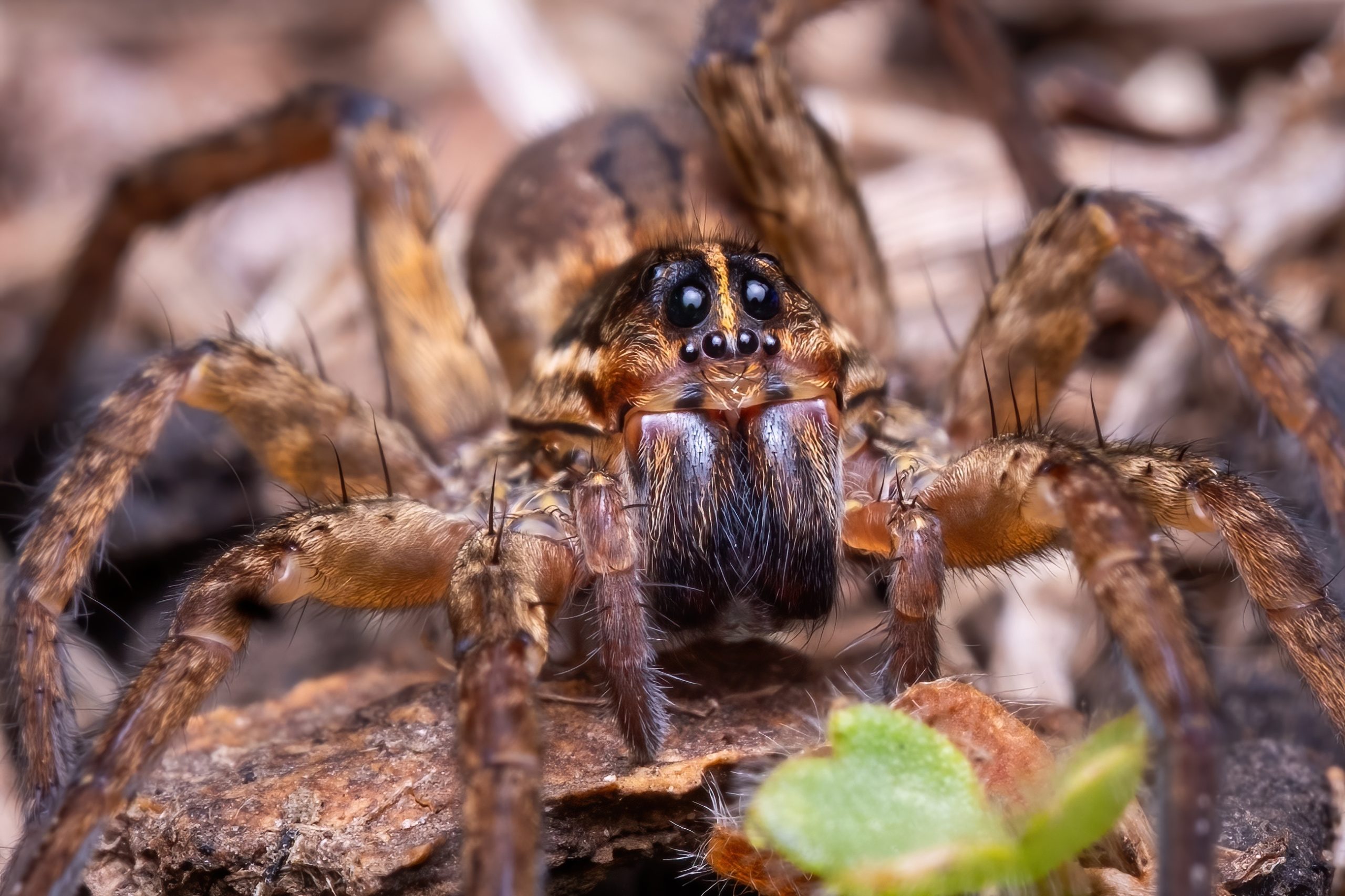
You lift a box in the garage and a large brown spider shoots behind the shelving. A few nights later, another one appears beside the back door. When big spiders in California start showing up around your home in late summer and fall, it can feel as if they arrived all at once.
Most have not moved in to stay. Some roam farther while looking for mates. Others follow insects toward patios, garages, and exterior lights, then slip through a door gap or worn seal. This guide will help you identify the large spiders you are most likely to notice, understand why spiders in fall become more visible, recognize the species that need more caution, and reduce indoor sightings.
Which Big Spiders in California Are You Most Likely to See?
Big spiders in California, ranked by concern
Most large spiders showing up this fall are wandering through, not moving in. Only one of these four calls for real caution.
Several big spiders in California stand out because they are fast, long-legged, or simply hard to miss. Wolf spiders are active hunters. Grass spiders and funnel weavers tend to stay closer to distinctive webs. Tarantulas are much bulkier than typical house spiders in California and are mainly outdoor animals.
A western black widow is a different case. It is smaller than many of the spiders that cause the biggest reaction, but it deserves more caution because its bite can be medically significant. For spider identification, size should be only one clue.
| Spider | What You Notice First | Where You May Find It | Best Identification Clue |
| Wolf spider | Fast movement, brown or gray body | Garage floors, patios, mulch, ground-level rooms | Hunts on foot instead of waiting in a capture web |
| Grass spider or funnel weaver | Long legs, brown or gray coloring | Shrubs, lawn edges, foundations, window wells | Flat web that narrows into a funnel |
| Tarantula | Thick legs, hairy body, heavy build | Yards, roadsides, foothills, open ground | Much bulkier than most spiders around homes |
| Western black widow | Dark, rounded abdomen | Garages, sheds, utility boxes, woodpiles | Adult females often have a red hourglass underneath |
Wolf Spiders
Wolf spiders in California are easy to notice because they do not spend all their time sitting in a web. They move across soil, mulch, patios, garage floors, and similar surfaces while hunting small prey. A California wolf spider that gets indoors may sprint across an open floor before disappearing under furniture or stored boxes.
That speed can look aggressive from a few feet away. Usually, the spider is trying to reach cover. A lone wolf spider beside a garage door or downstairs entrance often points to outdoor activity nearby rather than a group of spiders breeding inside.
The UC Statewide Integrated Pest Management Program explains that spiders prey on insects and other arthropods. That feeding behavior gives you an important clue: when the same area produces repeated spider sightings, check what insects are attracting them there.
Grass Spiders and Funnel Weavers
Grass spiders are another common huge brown spider. Their long legs can make them look bigger than their bodies actually are, especially when one is sitting in the middle of a web.
The web is the easiest feature to use. These spiders build a sheet of silk that narrows into a funnel-shaped retreat. Check shrubs, ground cover, lawn edges, and spots where landscaping meets the foundation.
California funnel weavers are not the same spiders as the medically significant Australian funnel-web spiders. The similar names come from the shape of the web, not from the spiders having the same level of risk.
Why Do Big Spiders in California Show Up More in Fall?
The idea that every spider enters a house because the weather turned cold is too simple. Big spiders in California can become more visible in fall for several reasons, and many of those reasons begin outside the house.
Some mature males travel farther while looking for females. Insects also gather around porch lights, irrigated shrubs, gardens, and protected areas beside buildings. Hunting spiders follow prey, while web builders choose spots where insects regularly pass.
Then there is access. Leave a garage door open while unloading groceries, and a ground-dwelling spider has an easy route inside. A worn sweep beneath a side door can provide the same opportunity every night.
| What Is Happening Around the Home | Why You May Notice More Spiders |
| Males are roaming for mates | Spiders cross more open ground and become easier to see |
| Insects gather near outdoor lights | Predatory spiders find food close to doors and walls |
| Garage doors remain open | Ground-level spiders can walk directly inside |
| Door sweeps or seals are worn | Small gaps become regular entry points |
| Boxes and firewood remain undisturbed | Dark spaces provide temporary shelter |
| Dense landscaping touches the structure | Spiders and insect prey stay close to the foundation |
That combination is common around Sacramento and Fresno properties. A garage may have irrigated shrubs outside one wall, moths circling a nearby light, storage along the interior, and a rubber door seal that no longer sits flush against the concrete. One repair may remove an entry point, while changes outside can reduce the activity drawing spiders toward the structure.
Are Tarantulas in California Likely to Come Indoors?
Tarantulas in California can create some of the most memorable spider encounters because their bodies and legs are much heavier than those of common house spiders. Even so, they are outdoor spiders rather than pests that normally establish populations throughout a home.
Roaming males become easier to notice when they leave protected areas to search for females. That movement can take them across yards, roads, trails, driveways, and other open areas.
What a Tarantula in the Garage Usually Means
An open garage may simply lie across the spider’s path. A single tarantula near the door is not good evidence that more are living in the walls or attic.
Avoid picking one up with bare hands. Keep children and pets back, give the spider space, and do not corner it. If it is trapped somewhere that requires removal, use a method that avoids direct handling or have a pest professional remove it.
That distinction matters during spider season in California. Seeing one conspicuous outdoor spider in a garage is different from repeatedly finding spiders in the house.
Are Big Spiders in California Dangerous?
When people search for big spiders in California, they often want to know one thing first: can this spider hurt me? A large body or wide leg span does not give you a reliable answer.
Wolf spiders, grass spiders, and tarantulas may look imposing, but western black widows warrant more medical caution. In other words, the spider that looks largest is not necessarily the spider that poses the greatest concern.
Western Black Widows
A western black widow spider tends to stay around a web in a protected location. Garages, sheds, utility boxes, woodpiles, patio furniture, stored lumber, and quiet corners can provide the kind of shelter it uses.
Look before reaching into a space you cannot see clearly. Gloves and good lighting are sensible when moving firewood, outdoor equipment, or boxes that have sat untouched for months.
If you believe a spider has bitten you and you develop severe pain, muscle cramping, trouble breathing, or symptoms beyond mild local irritation, seek medical care. A skin mark by itself is not a dependable method of identifying which spider was involved.
What About Brown Recluse Spiders?
Searches for dangerous spiders in California often lead to brown recluse concerns. The classic brown recluse is not considered a widespread, established house spider across California, even though other recluse-type spiders occur in some parts of the state.
That is why a large brown spider should not be identified from color alone. Many unrelated California spiders are brown, gray-brown, or tan.
UC Riverside’s spider researchers address this issue in their resource on brown recluse misidentification in California. Their work is especially useful when a spider sighting or unexplained skin problem has been labeled a brown recluse case without the spider itself being properly identified.
People sometimes search for “poisonous spiders in California,” but venomous is the more accurate term for spiders because venom is delivered through a bite. The distinction does not change what you should do: avoid handling an unidentified spider and get medical advice for significant symptoms.
How Do Large Spiders in California Get Inside Homes?
Large spiders in California do not need a dramatic opening to get indoors. Start by checking the low points where a spider moving across the ground would meet the building.
Garage doors deserve particular attention. They open wide, stay open for minutes at a time, and often develop gaps at the lower corners. Once a spider crosses inside, shelving, boxes, sports gear, tools, and stored supplies give it plenty of places to disappear.
Check the House From a Spider’s Level
Walk around the exterior while there is enough daylight to see gaps clearly. If light is visible beneath a closed door, inspect the sweep. Check window screens for loose corners and tears. Look closely where pipes, cables, and conduits pass through exterior walls.
The same inspection can help with broader spider prevention because many of these openings also admit the insects spiders hunt.
| Area | What to Look For | Practical Response |
| Garage door | Light below the seal or gaps at the corners | Adjust or replace the bottom seal |
| Exterior doors | Loose weather stripping or worn sweeps | Replace damaged material |
| Window screens | Tears or edges pulling away from the frame | Repair or replace the screen |
| Utility penetrations | Gaps around pipes, wires, or conduit | Seal appropriate openings |
| Vents | Damaged or missing screening | Repair the protective screen |
| Firewood and storage | Materials stacked beside doors or walls | Move them away from entrances when practical |
Look outside the opening, too. A porch light surrounded by insects every evening gives hunting and web-building spiders a reason to stay close. Shrubs touching siding can create another sheltered route along the structure.
Keeping Big Spiders in California Outside
One wandering wolf spider after the garage has been open all afternoon usually calls for a different response than large spiders appearing in several rooms week after week. Repeated sightings suggest that entry points, insect prey, or protected hiding places deserve a closer look.
Start with the physical details you can control. Replace worn sweeps, repair screens, seal obvious exterior gaps, keep long-term storage organized, and avoid stacking firewood directly beside an entrance. If insects regularly collect around a particular exterior light or doorway, address that activity as part of your spider control plan.
Professional spider control becomes more useful when the pattern continues despite those changes. A technician can inspect the perimeter, identify likely access points, look for prey activity, and determine where treatment is appropriate. That is a more complete approach than repeatedly removing the spider that happens to cross your floor.
Official Pest Prevention offers spider pest control services throughout Northern California and the Central Valley. If big spiders in California keep appearing around your garage, entryways, or living spaces, contact Official Pest Prevention to have the property inspected. The service can address the spiders you are seeing while also targeting the conditions that keep bringing them close to your home.
