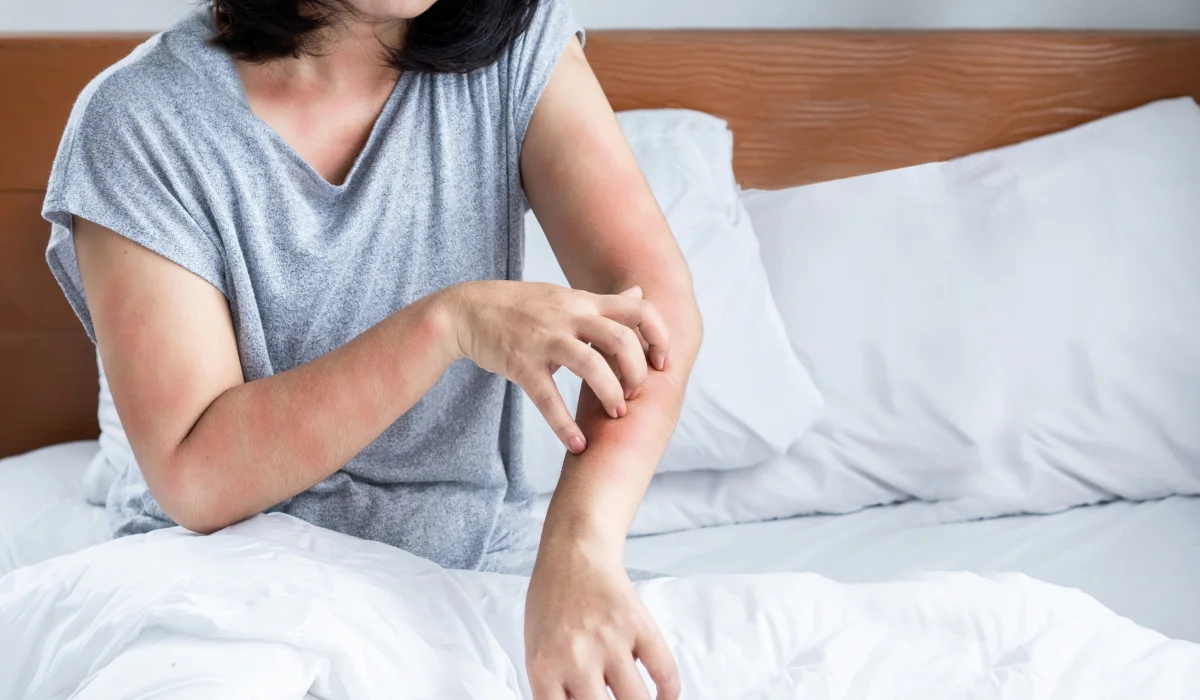
You wake up itchy and notice red marks on your skin. You start guessing right away. Did something bite you overnight, or is it a rash?
In Sacramento, Fresno, and across the Central Valley, homeowners often call after discovering insect bites that appear overnight. That confusion makes sense. Flea bites, bed bug bites, and tick bites can look alike at first. Many only appear as red, itchy bumps.
The details matter because each pest behaves differently and brings different risks into your home, which is why many homeowners look into residential pest control in California after unexplained bites appear.
This guide explains bed bug, flea, and tick bites in clear, simple terms. You will see what each bite looks like, where it appears, which symptoms to watch for, and when to call a pest control professional.
Key Takeaways
Bed bug, flea, and tick bites compared
Three common bites look alike at first. Pattern, location, and timing point to the cause.
- Bite patterns, bite location, and timing help identify which pest caused the problem.
- Bed bug bites often appear in clusters or straight lines on exposed skin.
- Flea bites often show up on the ankles and lower legs and point to a pet-related flea problem.
- Tick bites raise medical concerns because they can spread Lyme disease.
Video: Fleas vs Bed Bugs Explained
This short video walks through the visual differences between fleas and bed bugs, including how they move, where they hide, and what their bites look like on the skin. It helps connect what you see on your body with what may be happening in your home, making it easier to take the right next step.
Understanding Why Insect Bites Look So Similar
Most insect bites cause similar skin reactions. When an insect feeds, it injects saliva into your skin. The saliva triggers redness, swelling, and itchy bumps.
The American Academy of Dermatology and the Centers for Disease Control and Prevention explain that reactions vary based on skin sensitivity and immune response. One person may barely notice bites, while another may develop red welts or blisters from the same pest.
Because skin reactions vary so widely, bite location, pattern, and timing matter more than bite size alone.
What Bed Bug Bites Look Like
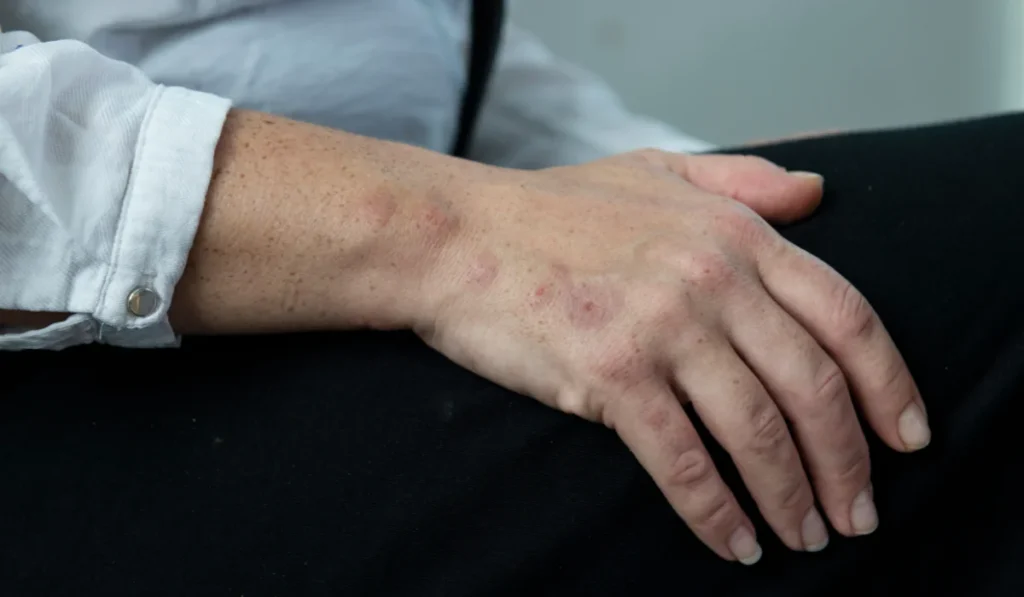
Bed bugs bite at night, so bites often appear after sleeping. They usually appear on exposed areas of the skin, such as the arms, neck, shoulders, and face.
Adult bed bugs have flat, oval-shaped bodies and no wings. They feed while people sleep, so most do not feel the bite happen.
Bed bug bites often appear as small red bumps grouped together. Many people notice them in straight lines or zigzag rows. Some call this the breakfast, lunch, and dinner pattern. The area may swell, itch, or develop red welts.
Not everyone reacts the same way. Some people show no marks at all. Others develop hives or, in rare cases, blisters. Signs of bed bugs often extend beyond skin reactions. You may also notice reddish-brown spots on sheets, mattress seams, or in crevices around bed frames.
A bed bug infestation does not resolve on its own, and learning how you get bed bugs often surprises homeowners since they usually hitchhike on luggage, furniture, or clothing.
What Flea Bites Look Like
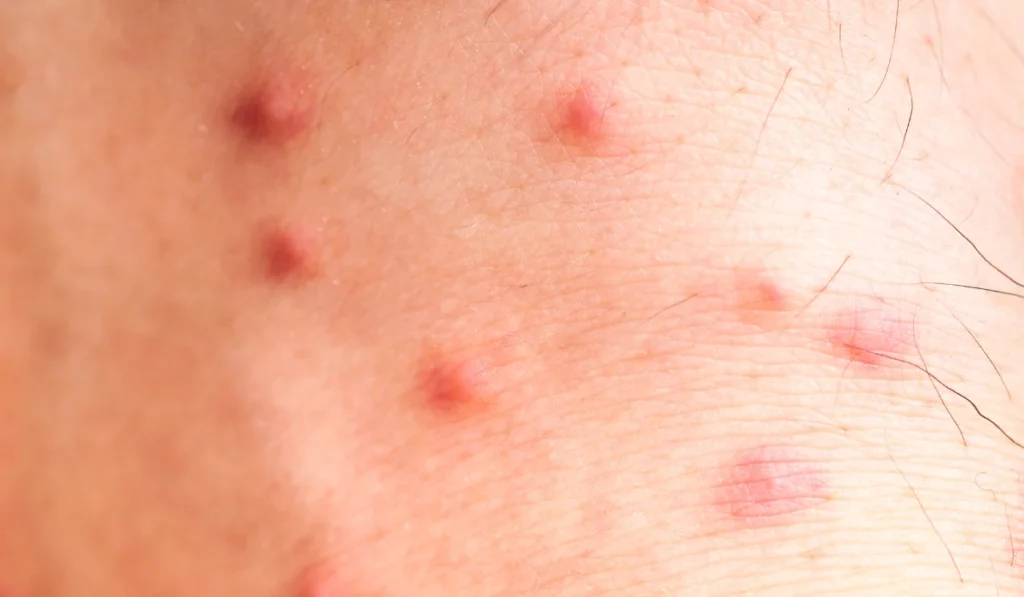
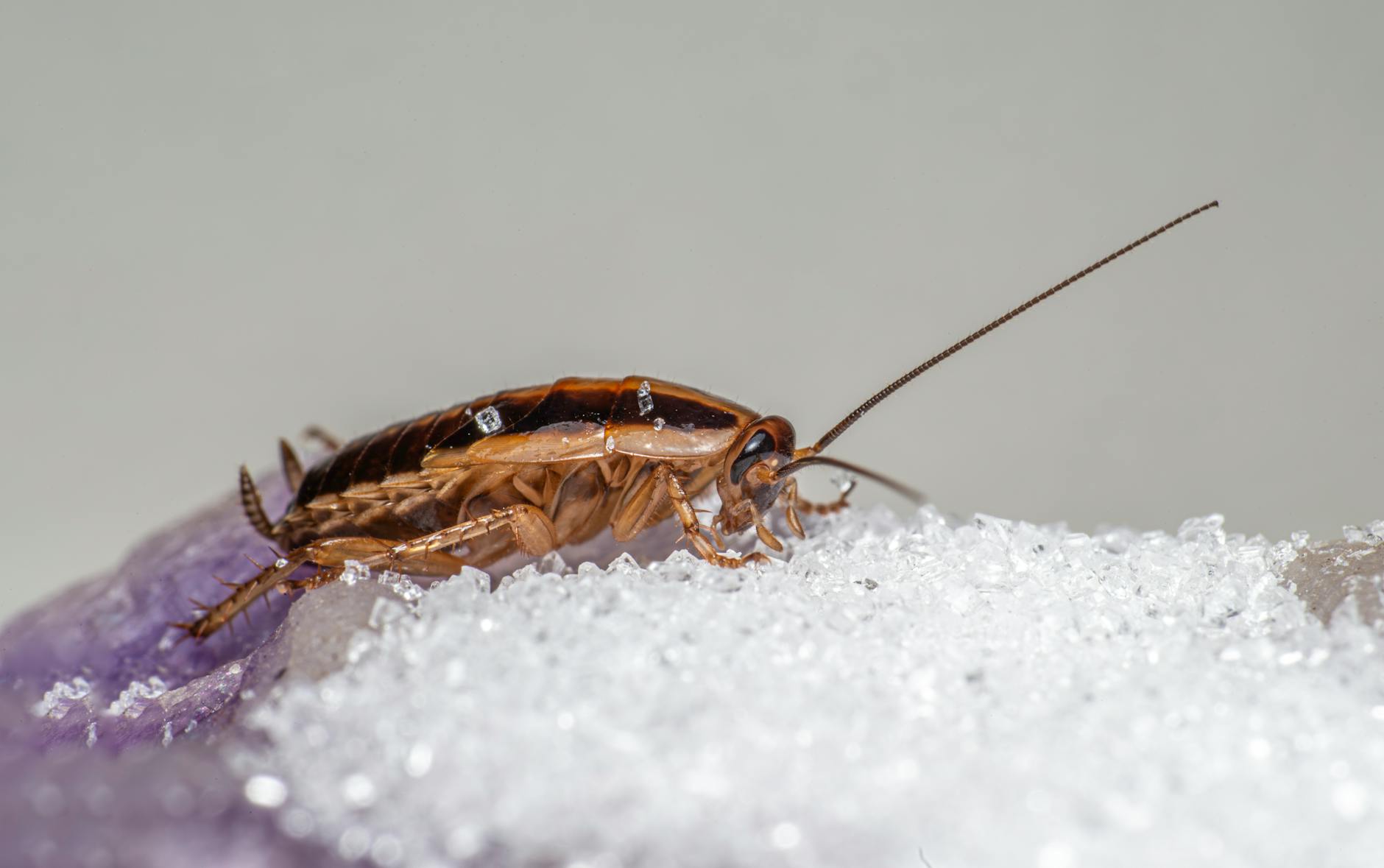
Flea bites often appear on the lower legs, ankles, and feet. Adult fleas live on pets or wildlife and jump onto people for quick blood meals. Because fleas jump upward from the ground, bites usually stay close to the feet and legs.
These bites look like small red spots with a lighter ring around them. They often appear in clusters and cause intense itching. Scratching can break the skin and lead to infection, especially in children.
Flea problems usually start in pet bedding, carpets, or furniture. Even indoor pets can bring fleas inside. In some cases, fleas spread diseases like typhus, which makes quick action important.
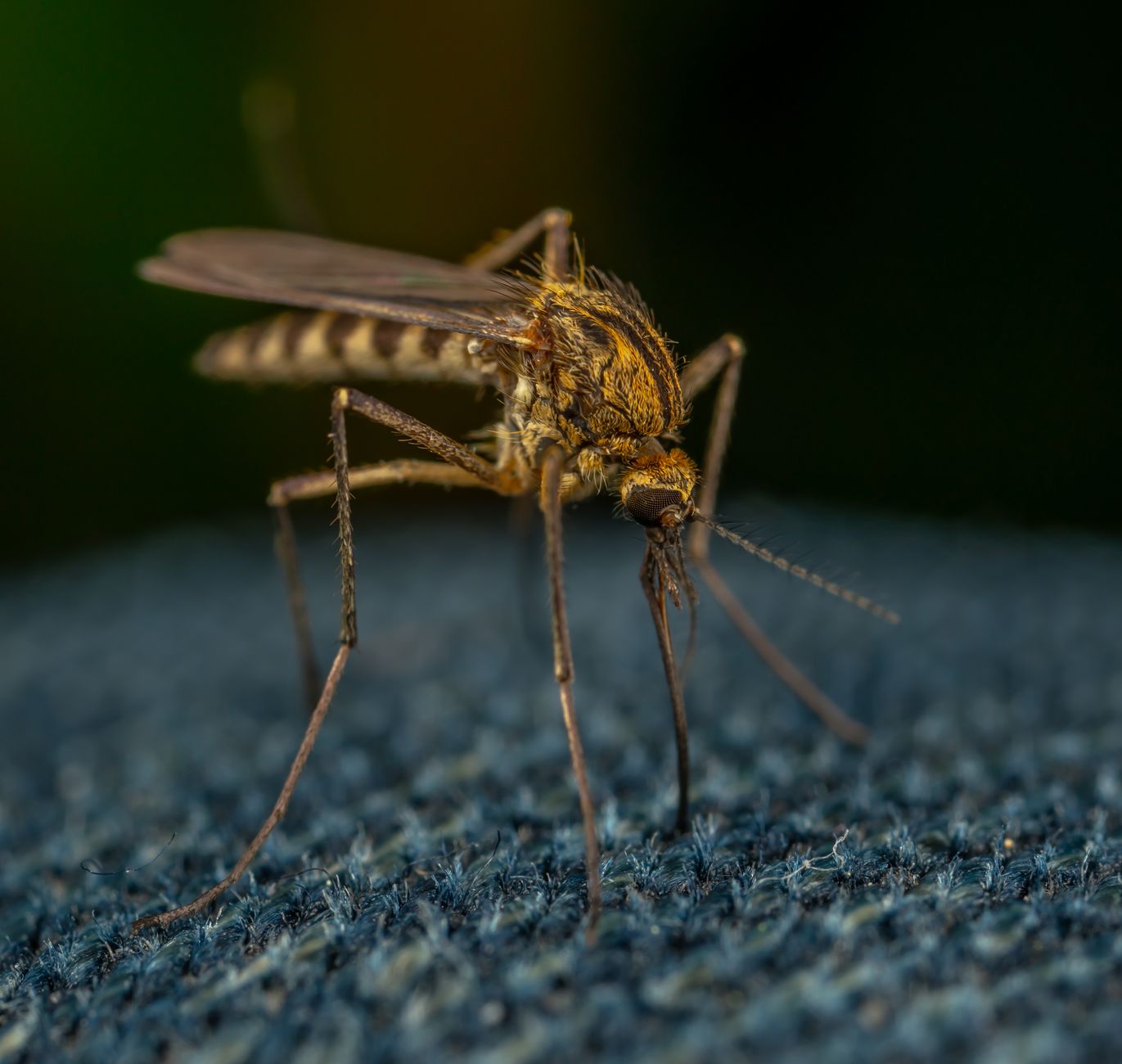
Flea bites may look like mosquito bites at first, but they itch longer and feel more intense. Treating the skin helps, but stopping the bites means fixing the flea problem in the home.
What Tick Bites Look Like
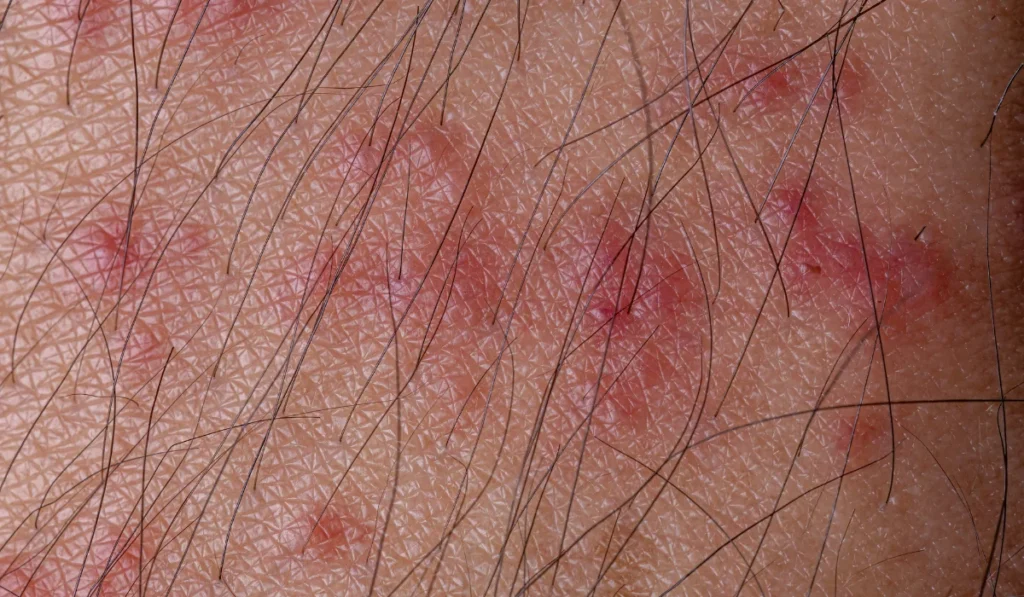
Tick bites look different once you know what to watch for. Unlike other insect bites, ticks attach themselves to the skin and stay there while feeding. People often find the tick still embedded in the bite area.
After removal, the bite may appear as a small red mark that does not itch much at first. Over days, some people develop a bull’s-eye rash, which may signal Lyme disease. According to the CDC, this symptom requires immediate medical attention.
Tick bites often occur after outdoor activity and usually appear on the legs, around the waist, or on the scalp. Wearing insect repellent during outdoor activities can lower the risk of tick exposure. Unlike bed bug bites or flea bites, ticks do not cause clusters of itchy bumps overnight.
How These Bites Compare To Spider Bites
Many people think spiders caused their bites. In most cases, spiders are not the cause. Spider bites happen far less often than insect bites.
Spider bites usually create one painful spot, not many itchy bumps. The area may blister, darken, or turn into an open sore over time. Bites do not follow patterns like straight lines or clusters.
If you see several red marks appear overnight, spiders are very unlikely to be the cause.
Managing Symptoms And Skin Reactions
Most mild reactions improve with simple care. Over-the-counter hydrocortisone cream, anti-itch lotion, or antihistamines can reduce swelling and itching. Wash the area gently and avoid scratching to reduce the risk of infection.
Some people have strong allergic reactions. Watch for spreading hives, trouble breathing, or swelling of the face or throat. These signs need emergency medical care.
Contact a healthcare provider if you notice fever, worsening pain, signs of infection, or unusual rashes. Tick bites require close attention due to disease risks.
When Bites Signal A Bigger Pest Problem
Recurring bites almost always point to an infestation rather than a one-time exposure. A bed bug infestation hides deep in mattresses, furniture seams, and wall crevices. Flea infestations spread quickly when pets remain untreated. Ticks may indicate wildlife activity around your yard.
Preventing a bed bug infestation starts with early detection and fast action. Waiting often allows populations to grow and spread into multiple rooms.
When bites keep returning, or pests remain hidden, professional pest control can stop the problem at its source. At Official Pest Prevention, our technicians focus on locating the infestation rather than treating symptoms alone. Targeted treatment helps remove bed bugs, fleas, or ticks and prevents the problem from continuing.
Making The Right Call For Your Home
Unexplained bites can disrupt sleep and create ongoing frustration. Once you confirm pests are the cause, the next step is stopping the problem at its source so it does not continue or spread.
Homeowners in Sacramento, Fresno, and nearby communities work with our team at Official Pest Prevention to address pest-bite issues quickly and thoroughly, using treatments tailored to the situation.
Contact us today to schedule an inspection and take the first step toward a pest-free home.
FAQs
How long do bed bug bites last?
Bed bug bites can last from a few days to two weeks, depending on your skin sensitivity. Some people experience prolonged itchiness or red welts. Continued bites usually indicate an active bed bug infestation that needs professional treatment.
Can flea bites spread disease to humans?
Yes, flea bites can transmit diseases such as typhus in some instances. While rare, the risk increases during a flea infestation. Prompt treatment of pets and the home reduces exposure.
When should I see a doctor for insect bites?
Seek medical care if you notice a bullseye rash, signs of infection, fever, or a severe allergic reaction such as swelling or shortness of breath. Tick bites, especially, require close monitoring due to the risk of Lyme disease.