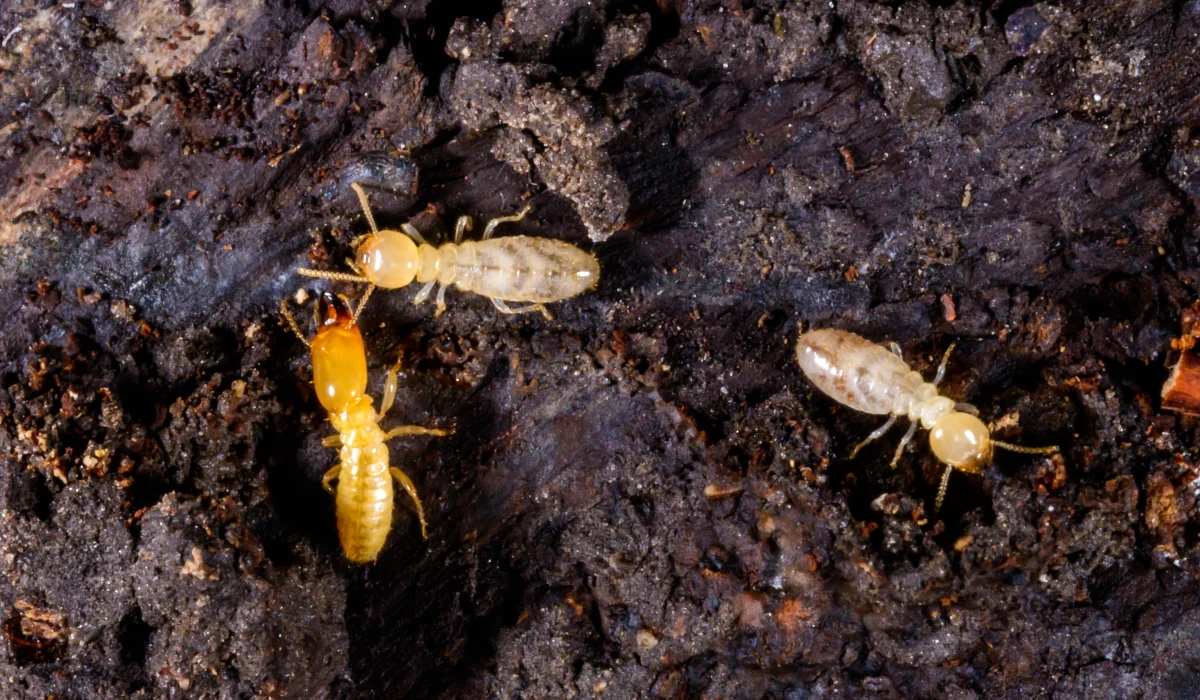
Subterranean termites are one of the most common pest problems in Yuba City. With warm weather and steady moisture, these pests can grow and spread faster than most homeowners expect. Many people do not realize there is a termite infestation until damage is already underway.
Understanding how fast subterranean termites spread helps you act sooner. These pests live underground and move through mud tubes into your home, often without being seen. By the time you notice signs of termite activity, the colony may already be well established.
If you know what to look for and how quickly termites spread, you can protect your home or business from major termite damage. Early detection and the right pest control approach can make a big difference.
Key Takeaways
- Subterranean termites spread quickly, often within weeks of finding a food source.
- Termite colonies grow over time and can create new colonies through swarmers.
- Moisture problems and soil contact increase how fast termites spread.
- Early detection and regular inspections help reduce termite damage.
- Professional termite control is the best way to stop a termite infestation.
How Fast Subterranean Termites Can Spread
Subterranean termites spread at different speeds depending on the conditions around your property. Here are common timelines to understand how quickly a termite infestation can grow.
Within Weeks of Entry
Subterranean termites can begin spreading within weeks after they find a food source. Worker termites start feeding on cellulose in wood structures almost right away.
In Yuba city, where soil moisture is common, termites spread quickly through foundation walls and into wooden structures. Early termite activity often goes unnoticed during this stage.
Within a Few Months
After a few months, subterranean termite colonies grow larger and more active. Worker termites expand their tunnels and mud tubes to reach more areas of your home.
At this point, termite damage may begin to show in small ways. You might notice soft wood or slight changes in baseboards or flooring.
Within One Year
Within a year, a termite infestation can cause noticeable damage. Subterranean termite colonies can contain thousands of termites working at the same time.
They continue to spread through crawl space areas, walls, and support beams. This is when homeowners often start seeing clear signs of termite, including swarmers and mud tubes.
What “Spread” Means in a Home
When people hear that termites spread, it can mean several things. Understanding how termites spread inside a home helps you recognize the risk earlier.
Movement Through Soil and Foundation
Subterranean termites spread by moving through soil and entering through small entry points in foundation walls. They build mud tubes to stay protected as they travel.
This allows termite colonies to reach different parts of your home without being exposed. It also makes them harder to detect.
Expansion of Termite Colonies
As termite colonies grow, they create new colonies or expand their reach. Reproductive termites, also called alates or swarmers, leave the colony during swarm season.
These flying termites can start new colonies nearby. This is how a small termite problem can grow into a larger issue over time.
Damage Spreading Through Wood Structures
Once inside, termites spread through wooden structures. They move from one area to another as they search for more food sources.
Because they eat cellulose, they can damage support beams, flooring, and other wood structures. This type of spread leads to increasing wood damage over time.
Factors That Speed Up Termite Spread
Some conditions in Yuba City can make termites spread faster. These factors increase termite activity and help infestations grow.
Moisture and Damp Wood
Moisture problems are one of the biggest reasons termites spread quickly. Damp wood attracts subterranean termites and supports their survival.
Leaky pipes, poor drainage, and clogged gutters or downspouts can create the perfect environment. Fixing moisture issues helps slow termite spread.
Easy Access and Soil Contact
Termites spread faster when there is direct soil contact with wood. This often happens around foundation edges or in crawl space areas.
Landscaping, tree stumps, and wood debris near your home can also provide easy access and extra food sources.
Lack of Regular Inspections
Without regular inspections, termite activity can go unnoticed for long periods. This allows subterranean termite colonies to grow and spread.
A professional inspection helps catch early signs of termite and reduce the risk of a larger infestation.
When Speed Becomes a Damage Risk
The speed at which termites spread becomes a serious issue when damage starts to affect your property. Here are signs that the problem is getting worse.
Visible Termite Damage
When termite damage becomes visible, the infestation is already advanced. You may see cracked wood, hollow areas, or weakened structures.
This type of damage can affect the safety of your home and lead to expensive repairs.
Frequent Swarmers Indoors
Seeing swarmers or winged termites inside your home is a strong warning sign. These reproductive termites are trying to form new colonies.
You may find wings near windowsills or doors. This often means termite colonies are active inside or very close to your property.
Ongoing Termite Activity
If you continue to notice termite activity, such as mud tubes or damaged wood, the infestation is active and spreading.
At this stage, DIY methods are not enough. Professional pest control service is needed to stop the spread and protect your home.
Schedule a Termite Inspection in Yuba City
If you suspect subterranean termites, schedule a termite inspection as soon as possible. A trained technician can confirm termite activity, locate entry points, and assess the size of the termite infestation.
In Yuba City, local conditions can speed up termite spread. Official Pest Prevention provides professional inspection and termite control services designed for the area. Contact us today to schedule your termite inspection and stop termites before they cause more damage.
FAQs
How fast do subterranean termites spread in a home?
Subterranean termites can start spreading within weeks after entering a home. Over several months, termite colonies grow and expand through wood structures. Within a year, a termite infestation can cause visible damage if left untreated.
What attracts subterranean termites to a property?
Subterranean termites are attracted to moisture and wood. Damp wood, soil contact, and areas like crawl spaces or foundation walls create ideal conditions. Landscaping, tree stumps, and poor drainage can also increase the risk of termite activity.
Can I stop termites from spreading on my own?
DIY methods may slow termites but usually do not stop a full termite infestation. Subterranean termite colonies are hidden and require professional pest control. A pest control service can provide proper termite treatment and long-term protection.