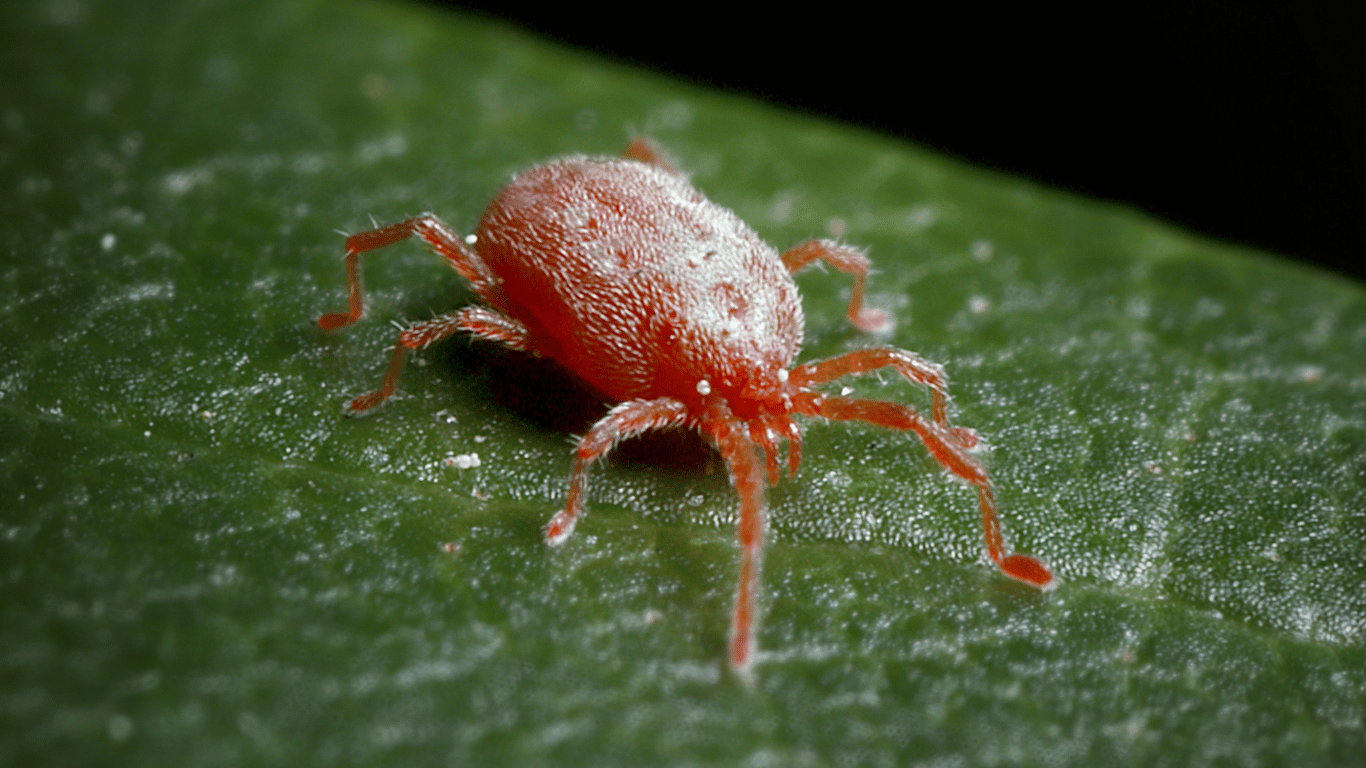
Spider mite identification and removal can be difficult because spider mites are so small. You may not notice them right away. Instead, you see clues on plant leaves, such as pale dots, faded color, or fine webbing. If you act early, you can protect an individual plant before spider mite problems spread to other host plants.
In California, spider mites are common during dry weather. Hot days and low humidity create dry conditions that help spider mite populations grow fast. You can find spider mites on outdoor landscaping, patio plants, and houseplants near sunny windows. Homeowners, tenants, and commercial property managers can all run into a spider mite infestation, often after heat waves and windy days that leave leaves dusty.
This guide keeps spider mite identification and removal simple. You’ll learn the most common signs of spider mites, where to look first, and safe ways to start controlling spider mites at home.
Key takeaways
- Spider mites are tiny arachnids and are hard to see with the naked eye.
- The two-spotted spider mite, or tetranychus urticae, is common in California.
- Check the undersides of leaves for stippling, webbing, and tiny moving dots.
- Spider mite populations rise fast in dry conditions and dry weather.
- Spider mites feed by piercing plant cells with their mouthparts, which lowers chlorophyll and can damage plants.
- A simple integrated pest management (IPM) plan can reduce the recurrence of spider mite problems.
Spider mite ID basics (and lookalikes)
Spider mites are arachnids, not insects. They are related to spiders and ticks. Because of their small size, you often notice spider mite damage before you see the pests. There are many species of spider mites, but the two-spotted spider mite is a common cause of spider mite problems in California.
Tiny dots, webbing, and stippling
Spider mites can look like dust. A quick test is to tap a leaf over white paper. Then watch for tiny dots that move. This helps with houseplants, where spider mites can hide in bright window light.
Spider mite damage often shows as stippling. Stippling appears as tiny, pale dots across plant leaves. Spider mites feed by piercing plant cells with their mouthparts and pulling out fluids. This reduces chlorophyll. Leaves can look dull or washed out.
As the problem grows, infested leaves may curl, dry out, and fall. You may also see fine webbing on plant leaves and stems. Webbing often indicates higher spider mite populations.
Aphids and thrips as lookalikes
Aphids are bigger and easier to see. They often cluster on stems and soft growth. Thrips are slim and can leave silvery streaks.
Spider mites usually stay on the undersides of leaves. They also cause stippling and may leave webbing. When you see those signs of spider mites together, spider mites are a strong match.
Where to look and common damage signs
Spider mite identification and removal begin with a quick check. Spider mites often start on one plant and then spread to nearby plants. This can happen when leaves touch or pots sit close together. In a home garden, one plant can become the source for others.
Undersides of leaves and new plants
Check the undersides of leaves first. Spider mites gather and feed there. You may also see eggs and larvae during the life cycle. Use a flashlight and look along the leaf veins. Moving dots and fine webbing are key warning signs.
Also, check new plants. New plants are a common way spider mites get into a home, patio, or office. If you can, keep new plants apart for about a week. Inspect them every few days before placing them near other host plants.
Hot, dusty spots and fast-moving damage
Spider mites thrive in dry conditions. In California, south-facing patios and planters near pavement are common hotspots. These areas warm up fast and stay dry longer.
Dust can also help spider mites. Dusty leaves provide them with cover and can slow down natural enemies. If leaves look dusty, rinse them gently. Then check the undersides of leaves again.
Common signs of spider mites include stippling, faded color, curled leaves, and webbing. Spider mite damage can spread quickly during dry weather. If you spot damage plants show on one plant, check nearby plants right away.
Getting rid of spider mites safely
Controlling spider mites works best with steady follow-up. One round of care may not be enough. Spider mites move through their life cycle fast, especially in warm weather. The goal is to reduce spider mite populations and stop the spread.
Rinse, prune, and repeat
Start by rinsing plant leaves with water. Focus on the undersides of leaves. This knocks spider mites off and removes dust. If a few leaves are severely damaged, remove the infested ones. Seal them in a bag before you toss them.
Rinse again a few days later. Then re-check for moving dots, fresh webbing, and new stippling. This simple routine can make a big difference.
Plant-safe sprays and natural predators
Many homeowners use insecticidal soap, horticultural oils, or neem oil for spider mites. Coverage matters. Spray both sides of the plant leaves. Follow the label directions for repeat applications. Skipping follow-up can let spider mite populations rebound.
Outdoors, biological control can also help. Predatory mites are natural predators that feed on spider mites. Lacewings and lady beetles can help, too. These natural enemies support long-term control, especially in a home garden.
Schedule a spider mite inspection in California
If spider mites keep coming back, or you see webbing across several plants, it may be time for a professional inspection. Official Pest Prevention provides pest control services in California, including general pest control for common pests. A trained technician can confirm whether you are dealing with spider mites, aphids, thrips, or multiple issues.
Schedule a spider mite inspection with Official Pest Prevention to protect your landscaping and houseplants. If problems arise between visits, your service includes a re-treatment guarantee, depending on your plan.
FAQs
Can you see spider mites with the naked eye?
Sometimes, but it is tough because of their small size. Check the undersides of leaves and tap a leaf over white paper. If tiny dots move, spider mites are likely present.
What are the early signs of spider mites?
Early signs of spider mites include stippling, faded color, and light webbing on plant leaves. Catching a spider mite infestation early helps you limit damage.
What helps with controlling spider mites on houseplants?
Rinsing leaves, using insecticidal soap, horticultural oils, or neem oil, and doing repeat applications can reduce spider mite populations. Isolating new plants also helps prevent spread.