How To Get Rid Of Spiders in Bedroom can cause costly problems when early signs are missed. Learn the signs, risks, and when to call Official Pest Prevent.
Key Takeaways About Getting Rid of Spiders in Your Bedroom
- Knowing which spiders you are dealing with matters because some indoor species can be harder to bring under control than others.
- Regular cleaning, including removing webs and egg sacs from walls, ceilings, and floors, helps reduce spider activity in your bedroom over time.
- Spiders often settle in dark, undisturbed areas, so keeping storage spaces tidy and clutter-free can make your bedroom less inviting to them.
- When spider activity in your bedroom is persistent, a professional inspection can help identify what is attracting them and outline next steps for your situation.
How to Identify Spiders in Your Bedroom
Before you can address spiders in your bedroom, you need to know what you’re looking at. Many homeowners worry about brown recluse spiders, but misidentification is common. Understanding a few key physical traits can help you figure out which spiders may be present and how to respond.
How to Tell Different Spider Types Apart in Your Bedroom
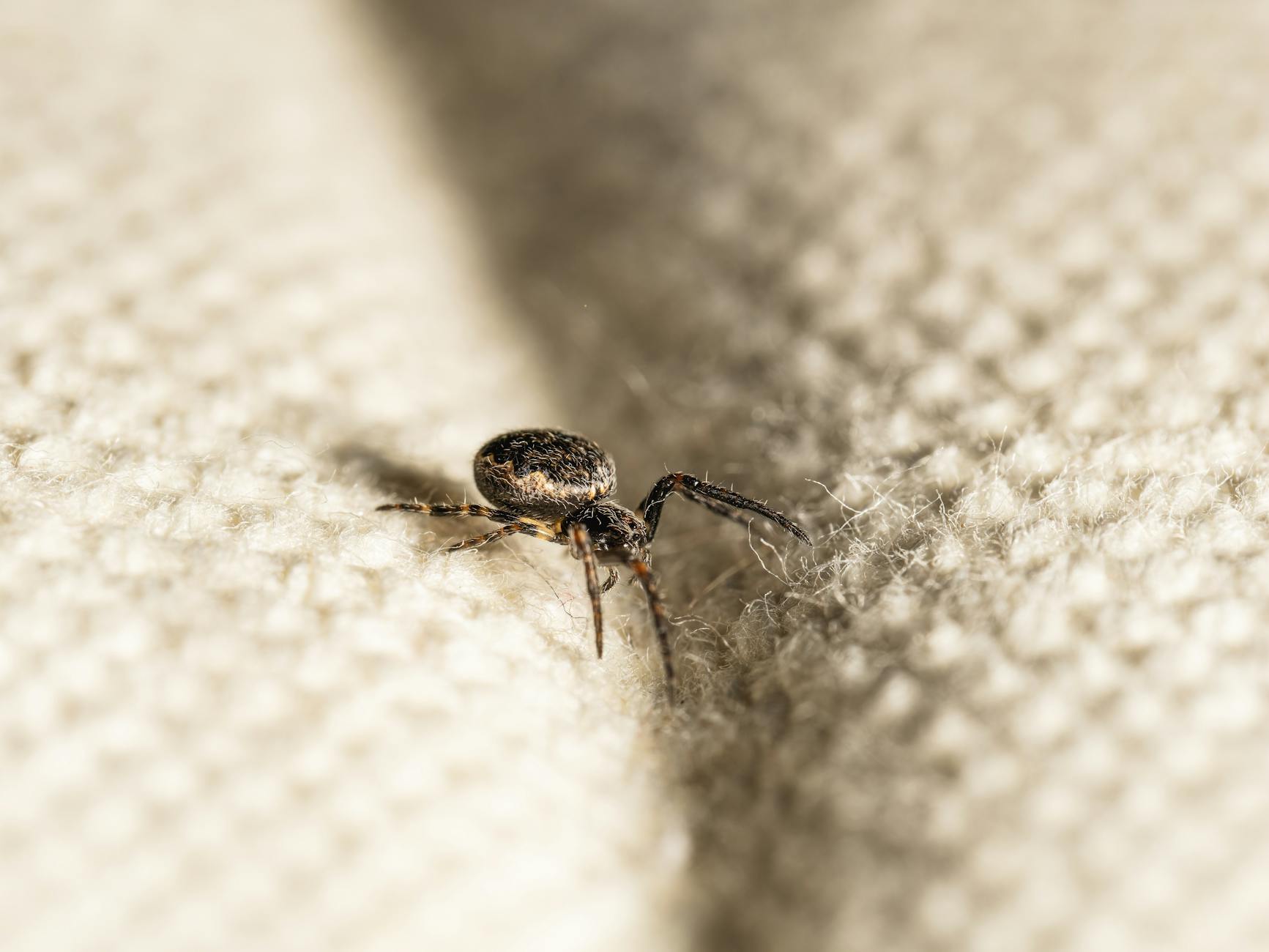
Brown recluse spiders are light brown to greyish in color with slender legs. According to Texas A&M AgriLife Extension, their overall size spans approximately a quarter to half-dollar. That compact body and long, thin legs set them apart from bulkier house spiders you may find near your bed or closet.
One of the most common mistakes homeowners make is relying on the violin-shaped marking on the spider’s back. As UC IPM notes, the presence or absence of the violin marking is not a reliable way to identify this spider. Several other spider species carry similar markings, so color, size, and leg shape are more useful starting points.
How to Spot Spider Activity Inside Your Bedroom
Webbing is often the first sign of spider activity in a bedroom. Look for irregular, loosely woven webs in corners, along baseboards, or behind furniture. Shed skins near web clusters can also indicate spiders have been living in the area over time.
If you spot a spider and want to determine whether it could be a brown recluse, check its overall body color. A light brown to greyish tone with slender legs is consistent with that species. Keep in mind that relying on a single marking is not dependable for identification.
Where Spider Activity Shows Up Around Your Home
Inside bedrooms, spiders tend to settle into undisturbed spaces. Areas behind headboards, underneath dressers, inside closets, and along ceiling corners are common spots where webbing may appear. These areas often go uncleaned for extended periods, which allows spiders to remain hidden.
Checking these quiet zones regularly gives you a better picture of activity levels. Removing visible webs when you find them helps you track whether spiders are returning to the same locations.
Exterior Entry Points Spiders Use Around Your Home
Spiders can enter bedrooms through gaps around windows, door frames, and where utility lines pass through exterior walls. Inspecting these access points around your home helps you understand how spiders are getting inside in the first place.
Sealing visible cracks and ensuring window screens fit tightly are straightforward steps that may reduce the number of spiders making their way into your bedroom over time.
Why Spider Problems Develop in Your Bedroom
Spiders enter bedrooms for straightforward reasons: shelter and food. Understanding what draws them indoors helps you focus your prevention efforts in the right places. Below is a closer look at the outdoor conditions, indoor attractants, and pathways that lead to spider activity in your sleeping space.
Outdoor Nesting Areas for Spiders Around Your Home
Outdoor debris piles can provide habitat for spiders near your home’s exterior. Keeping debris from accumulating around the perimeter reduces the population that may eventually move indoors. Stacked materials, yard waste, and undisturbed clutter close to bedroom walls give spiders a staging area just steps from potential entry points.
Food and Shelter That Attract Spiders to Your Bedroom
Spiders such as southern house spiders favor dark, undisturbed storage areas. Bedrooms often provide exactly that, with closets, under-bed spaces, and seldom-moved furniture creating quiet retreats. Cellar spiders build large, irregular webs and can develop continuously in controlled indoor climates, making a temperature-stable bedroom an appealing year-round habitat.
Any room that harbors smaller insects will also attract the spiders that feed on them. Reducing other insect activity in your bedroom removes a key reason spiders settle there in the first place.
How Spiders Move Around Your Home and Bedroom
Spider activity can shift with the seasons. Adult brown recluse spiders, for example, are most often observed during spring months. Cellar spiders may overwinter as eggs, immatures, or adults in sheltered areas. These seasonal patterns mean you may notice more spiders in your bedroom during warmer months or when outdoor conditions push them toward indoor cover. Note that the brown recluse and the hobo spider do not live in California, according to UC IPM.
Trails and Entry Points Spiders Use in Your Bedroom
Spiders exploit gaps around your home’s exterior to reach interior rooms. Cracks along window frames, gaps beneath doors, and openings where utility connections pass through walls all serve as access routes. Once inside, they follow walls and corners toward dark, undisturbed spots, often ending up in bedrooms that offer both cover and prey insects.
Sealing these openings and regularly disturbing storage areas in your bedroom can make the space far less inviting for spiders looking to settle in.
Risks From Bedroom Spiders
Spiders in a bedroom create more than just discomfort. Understanding the actual risks helps you decide how urgently to act and which steps matter most. Some spider species can coexist with people without incident, but others present health concerns that deserve attention.
Health Risks Linked to Bedroom Spiders
Most spider species found indoors are not dangerous, and many coexist with humans without causing harm. However, according to Texas A&M AgriLife Extension, bites from brown recluse spiders can be serious, potentially causing pain, secondary infections, disfiguring skin ulcers, and rarely, life-threatening complications. A bedroom presents particular concern because bites may happen while you sleep.
Still, because bedrooms involve close, prolonged contact with bedding and clothing stored in low-traffic areas, the chance of an accidental encounter can increase if spiders are present.
Property Damage From Spiders in Your Bedroom
Spiders do not typically cause structural damage to your home. However, removing brown recluse spiders from a structure is difficult and requires an integrated approach. Delays in addressing an infestation can allow spider populations to grow in cluttered spaces such as closets, under beds, and storage areas within the bedroom.
Brown recluse spiders produce webbing they use as a retreat during the day. Accumulated webbing in corners, behind furniture, and around stored items can become a persistent nuisance that requires ongoing cleanup.
Food Areas and Spider Activity in Your Home
Brown recluse spiders feed on insects and other arthropods, including other spiders. They can also scavenge prey that is already dead. A bedroom that harbors small insects may attract and sustain spider activity over time.
According to Mississippi State University Extension, sanitation is the critical first step in controlling heavy infestations of brown recluses, southern house spiders, and other spiders that infest indoor storage areas. Reducing clutter and keeping your bedroom clean removes the sheltered spaces spiders rely on.
When to Look Closer at Spider Activity in Your Bedroom
Pay attention if you notice webbing in undisturbed corners of your bedroom, inside closets, or around boxes stored under the bed. According to Kansas State University Extension, an integrated approach should begin by reducing clutter, especially in low-traffic areas such as basements, attics, and upper rooms. Bedrooms with rarely moved storage can function the same way.
If you see spiders repeatedly in the same spots, that pattern may point to a larger population hidden nearby. Acting early with thorough sanitation and clutter removal gives you the best starting point before deciding whether professional help is needed.
Professional Pest Control for Spiders in Your Bedroom
When spiders show up in your bedroom, a few practical steps can help reduce their numbers. However, heavier infestations of indoor-dwelling spiders take more work to control. Understanding what draws spiders indoors, what to look for during an inspection, and when to bring in a pest control company can help you approach the problem with a clear plan.
How to Reduce Attractants in Bedroom
According to Mississippi State University Extension, anything you do to exclude insects will also help reduce spider populations. That means sealing gaps where insects may enter your bedroom and keeping the space tidy so insects have fewer reasons to stay.
Natural enemies such as wasps, other spiders, birds, and reptiles can keep spiders from becoming too numerous outdoors. Inside your bedroom, though, those natural controls are not available, so reducing the insects spiders feed on is your most practical step.
Why Spider Control in Your Bedroom Starts With an Inspection
Knowing which spider you are dealing with matters. Cellar spiders, for example, spend most of their time hanging upside down in their large, irregular-shaped webs. They are light brown, long-legged, and slender-bodied and are often mistaken for brown recluse spiders. Misidentifying a harmless cellar spider as a brown recluse can lead to unnecessary worry or the wrong approach.
Most spiders have eight eyes, but brown recluses have only six, grouped into three pairs. Checking eye arrangement and body shape during an inspection can help narrow down the species present in your bedroom. Several spider types may appear indoors, including black widows and hobo spiders, so accurate identification is an important first step.
What to Expect During Professional Spider Treatment
A pest control company can identify the species in your home, assess the level of activity, and determine the right combination approach. As Texas A&M AgriLife Extension notes, hiring a professional pest control company is recommended for a household infestation of brown recluse spiders because their bites can be serious.
Official Pest Prevention offers dewebbing and power sprayer services, handled by local techs with local customer support. A service professional can target the areas where spiders are active in your bedroom and throughout the rest of your home.
What to Expect From a Bedroom Spider Control Plan
A control plan typically starts with an inspection of entry points, webbing locations, and species identification, followed by treatments tailored to the species found. Heavier infestations may require ongoing attention as part of the plan.
Reducing the insects that spiders feed on remains a key part of any long-term approach. Your pest control company can help you understand what conditions in your bedroom may be attracting prey insects and suggest practical changes to make the space less inviting for spiders over time.
Bottom Line on Getting Rid of Spiders in Your Bedroom
Getting rid of spiders in your bedroom starts with reducing the insects they feed on. Sealing gaps, decluttering storage areas, and keeping the room clean all help make the space less inviting. When you notice webs or egg sacs, removing them when you find them can slow activity. For heavier activity or persistent concerns, working with a pest control professional is a practical next step. If you need help with spiders in your bedroom, contact Official Pest Prevention to request a quote.
Frequently Asked Questions About Bedroom Spiders
Why Do Spiders Show Up in Bedrooms?
Bedrooms can offer dark, undisturbed spaces that appeal to certain spider species. Spiders follow their food source, so if insects are finding their way inside, spiders may move in as well. Reducing insect entry points around your home can also help reduce spider activity indoors.
Can I Handle a Spider Problem on My Own?
Light spider activity can often be managed with regular cleaning and web removal. However, heavier activity from indoor-dwelling spiders may require more involved work. A professional pest control company can assess the situation and recommend an appropriate approach.
How Do I Tell if a Spider in My Bedroom Is Dangerous?
Many household spiders are often mistaken for more concerning species. If you are uncertain about a spider you have found, avoid handling it and consider reaching out to a local pest control professional who can help with identification.
What Steps Help Prevent Spiders From Coming Back?
Ongoing prevention involves keeping indoor areas clean, removing webs and egg sacs when you spot them, and sealing cracks or gaps where insects may enter. Because spiders prey on insects that get inside, anything you do to exclude insects from your home can also help reduce spider populations over time.
Our methodology: how we research pest control topics
Every Official Pest Prevention article follows the same standard we hold our service work to: clear, accurate, and grounded in what actually works on a real Northern California home. Homeowners across the Sacramento metro and Bay Area communities count on us for honest pest information they can act on, and we treat the writing the same way.
We build our content from a combination of government guidance, peer-reviewed research, and the patterns our technicians see across thousands of homes in our service area. Here is how we approach each article:
Studying pest behavior
We start with how each pest actually lives — where it nests, how it spreads, and what conditions support it. Northern California’s seasonal rain and dry cycles change pest pressure in ways that matter for treatment, and getting the biology right is what tells us what will and will not work.
Reviewing health and home risks
We review research on how each pest affects human health and home structures. Some pests are a nuisance. Others trigger allergies, carry bacteria, or cause structural damage. Knowing the actual risk helps homeowners decide how urgently to act.
Using Integrated Pest Management
Our recommendations are grounded in Integrated Pest Management (IPM), the framework supported by the USDA and EPA. IPM combines monitoring, sanitation, exclusion, and targeted treatment to reduce pest populations while limiting unnecessary product use.
Prioritizing prevention and lasting protection
A pest problem rarely ends with one treatment. We focus on the conditions that allow infestations to start in the first place — moisture, food sources, gaps around the home, harborage zones — because long-term control depends on changing the environment, not just treating the symptoms.
Citing peer-reviewed and government sources
Whenever possible, we support our recommendations with peer-reviewed studies, university extension research, and guidance from agencies like the EPA, CDC, and USDA. Each source we cite is listed at the end of the article.
Why trust us
Official Pest Prevention is a local company with local technicians and local customer support. We serve homeowners across the Sacramento metro and into the Bay Area — Fresno, Elk Grove, West Sacramento, Yuba City, Stockton, Modesto, Pleasanton, Livermore, Hayward, and Fremont. When you call, you reach our team. When a technician shows up, they live and work in your area.
That same standard runs through our content. The information you read here reflects what our technicians see in the field, what current research supports, and what we have learned from servicing homes across our Northern California footprint.
Our credentials
- Service across the Sacramento metro and Bay Area — Fresno, Elk Grove, West Sacramento, Yuba City, Stockton, Modesto, Pleasanton, Livermore, Hayward, and Fremont
- Local technicians and local customer support
- Specialty services including dewebbing and power sprayer treatments
- General pest control, mosquito, rodent, termite, and seasonal pest programs
- Continuous review of research, regulations, and California-specific pest pressure
Sources and standards we reference
To keep our content accurate and up to date, we rely on established research and authority sources, including:
Environmental Protection Agency (EPA):
Guidelines on product use, labeling, and approved applications.
Centers for Disease Control and Prevention (CDC):
Public-health guidance on pests that affect human health, including mosquitoes, ticks, rodents, and cockroaches.
United States Department of Agriculture (USDA):
Integrated Pest Management standards and pest biology research.
National Pest Management Association (NPMA):
Industry standards, pest behavior research, and seasonal trend reporting.
University of California Cooperative Extension:
Peer-reviewed, region-specific research on Northern California pest biology and control methods.
Peer-reviewed journals:
Research published in entomology, public health, and environmental science journals to support specific claims about pest behavior, health risks, and treatment efficacy.
Article sources
The following sources were specifically referenced in the research and development of this article:
- Texas A&M AgriLife Extension
- UC IPM
- UC IPM
- Mississippi State University Extension
- Kansas State University Extension
All information is accurate at the time of publication and is reviewed regularly to reflect current research and pest control standards.