Spiders in Fresno can cause costly problems when early signs are missed. Learn the signs, risks, and when to call Official Pest Prevention.
Key Takeaways About Fresno Spiders
- Several spider species can appear around Fresno homes, and learning to tell them apart helps you decide when professional spider control may be worthwhile.
- Most spiders you encounter are not a serious concern, but a few species carry venom that may pose a health risk worth understanding.
- Reducing clutter, managing outdoor debris, and keeping storage areas tidy can make your property less inviting to spiders that prefer undisturbed spaces.
- Official Pest Prevention offers local dewebbing and power sprayer services designed to help Fresno homeowners address spider activity around their homes.
How to Identify Fresno Spiders
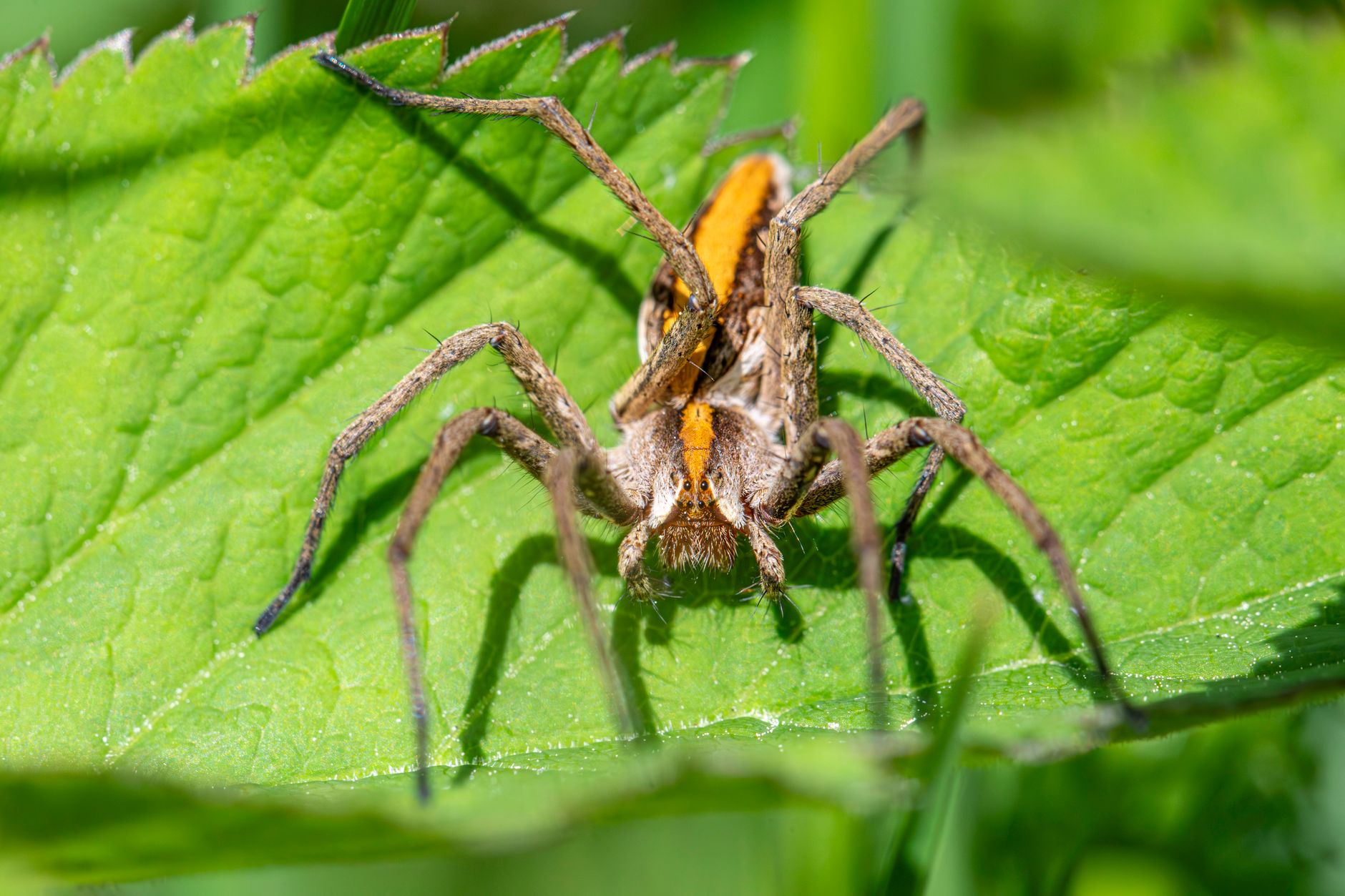
Knowing how to identify the spider species around your Fresno home helps you decide whether a particular spider is worth worrying about. Most spiders can produce venom and can bite, but only a handful of species pose a serious concern. Correct identification starts with looking at body shape, color, markings, and the style of web you find.
How to Tell Spider Types Apart in Fresno
One species you may notice is tan with dark brown longitudinal stripes on its back. This body pattern can help you distinguish it from other species that share a similar size. Another species sometimes confused with recluse spiders carries a dark violin-shaped marking on the back of the front body portion. However, according to UC IPM, the presence or absence of that violin marking alone is not a reliable way to identify the spider.
Although the brown recluse does not live in California, four species of native recluse spiders occur in southern areas of the state and can cause similar medical concerns. A Mediterranean immigrant species, Zoropsis spinimana, was first detected in California around 1995 and is considered no real threat. Remove this sentence or replace with a general note directing readers to UC IPM for current distribution information. That species is considered not dangerous to people.
How to Spot Spider Activity Inside Your Fresno Home
The most obvious sign of spider activity is webbing. Some species build large, spiral, wheel-shaped webs that can sometimes appear gold-colored. Others leave irregular, tangled webs in corners or along baseboards. Fresh webbing with a spider nearby usually means the species is actively living in that spot rather than passing through.
Pay attention to where you see webs accumulating over short periods. Repeated webbing in the same area often points to a species that has settled in, not a single wandering spider.
Where Spider Activity Shows Up Around Fresno Homes
Spiders tend to build webs in sheltered areas where they can catch prey. Around Fresno homes, look for webs along eaves, porch ceilings, and fence lines. Large orb webs may stretch between structures or landscaping. Checking these spots regularly helps you identify which species are present and how active they are on your property.
Exterior Entry Points Spiders Use Around Fresno Homes
Spiders can enter your home through gaps around doors, windows, and where utility connections pass through walls. Webs clustered near these openings suggest spiders are moving between outdoor and indoor spaces. Keeping an eye on these transition areas makes it easier to identify species before they settle deeper inside your home.
Why Spider Problems Develop in Fresno
Spiders show up around Fresno homes for straightforward reasons: they follow food and shelter. Understanding what draws them in and how they get inside can help you stay ahead of unwanted webs and sightings throughout the warmer months.
Outdoor Nesting Areas for Spiders Around Fresno Homes
Outdoor debris is one of the biggest contributors to spider activity near your home. Piled-up yard waste, stacked firewood, and stored materials create sheltered spots where spiders can build webs undisturbed. According to Kansas State University Extension, keeping debris that provides good habitat for spiders from piling up outdoors is an important management step. The less cover available near your foundation, the fewer spiders you can expect close to entry points.
Food and Shelter That Attract Spiders Around Fresno Homes
Spiders go where their prey goes. Southern house spiders, for example, consume pest species such as cockroaches, moths, and flies. When those insects gather near porch lights or in garages, spiders follow the food source. While these spiders are beneficial because they feed on those pests, their webs can still become a nuisance when populations build up around your home.
How Spiders Move Around Fresno Homes
Black widows are less common in homes than some other spider species, but they may still turn up in undisturbed outdoor areas. Southern house spiders, on the other hand, can settle along walls, eaves, and outbuildings where insects are plentiful. Both types tend to stay put once they find a reliable food supply and a quiet nesting spot.
Trails and Entry Points Spiders Use in Fresno
They do not travel in groups the way ants do, but multiple spiders may find the same openings on their own if prey insects are already using those routes. Reducing debris near the home and addressing insect activity around entry points can help limit the number of spiders that make their way inside.
Risks From Fresno Spiders
Health Risks Linked to Fresno Spiders
Most spiders you encounter around your Fresno home are more of a nuisance than a direct threat. However, certain species can raise concern, and it is worth understanding what you are dealing with before dismissing any spider activity. Webs and egg sacs that appear on walls and near entry points may indicate a growing population close to living spaces.
Property Damage From Spiders in Fresno
Spiders do not cause structural damage the way some other household pests do. The primary property concern is the accumulation of webbing on exterior walls, eaves, and other surfaces. Some species deposit egg sacs directly on walls, tree bark, and nearby structures. According to University of Georgia pest guide, certain spider egg sacs can contain hundreds of eggs, which means a single overlooked sac may lead to a noticeable increase in spider activity around your home.
Removing webs and egg sacs early can help keep numbers manageable. Official Pest Prevention offers dewebbing services that address web buildup on your home’s exterior.
Food Areas and Spider Activity in Fresno Homes
Kitchens, pantries, and dining areas can draw the smaller insects that spiders feed on. When those food sources gather near lights or doorways, spiders may follow. Egg sacs deposited on leaves, walls, and nearby structures can go unnoticed in less-trafficked corners of your home, allowing populations to build over time.
Keeping food preparation areas clean and reducing outdoor lighting near entry points can make these spaces less attractive to the insects spiders rely on.
When to Look Closer at Spider Activity in Fresno
A stray web in the garage is one thing. Finding egg sacs attached to walls or structures around your home suggests a more established presence. Because a single egg sac can hold hundreds of eggs, even a few sacs may lead to a rapid increase in spider numbers.
Regularly inspecting exterior walls, tree bark near the house, and sheltered corners helps you spot egg sacs before they hatch. If you notice consistent webbing returning after removal, that pattern is worth watching closely.
Professional Pest Control for Spiders in Fresno
Dealing with spiders in your Fresno home can feel overwhelming, especially when you are not sure which species you are seeing or how to keep them from coming back. A professional pest control approach can help you understand what is drawing spiders indoors and address the problem with a combination of prevention, inspection, and targeted treatment.
How to Reduce Attractants for Spiders in Fresno
Indoor spiders such as American house spiders and cellar spiders feed on insects that get inside your home. According to Mississippi State University Extension, anything you do to exclude insects will also help reduce spider populations. Sealing gaps around doors, windows, and utility openings limits the prey that draws spiders indoors in the first place.
Keeping your home tidy and reducing clutter removes the sheltered spaces where spiders tend to settle. The fewer hiding spots and food sources available, the less appealing your home becomes to spiders looking for a place to hunt.
Why Spider Control in Fresno Starts With Inspection
Proper identification matters because some spiders are easy to confuse with one another. Cellar spiders, for example, are light brown, long-legged, and slender-bodied and are often mistaken for brown recluse spiders. Without a trained eye, you may misjudge the situation and choose the wrong approach.
A thorough inspection helps service professionals determine which species are present and how widespread the activity is. Controlling a heavy population of indoor-dwelling spiders, such as brown recluses or American house spiders, takes considerably more work than handling a few occasional visitors, as Mississippi State University Extension notes.
What to Expect During Professional Spider Treatment in Fresno
Because brown recluse populations can be difficult to manage, a combination approach is often needed. According to Texas A&M AgriLife Extension, hiring a professional pest control company is the best solution for a household with these spiders. Official Pest Prevention’s local Fresno technicians use dewebbing and power sprayer services to address both active webbing and the conditions that support spider activity.
Treatment focuses on the areas where spiders are found during the inspection, along with entry points and harborage zones throughout your home. By targeting both the spiders and the insect prey they rely on, a professional approach addresses the root of the problem rather than just what you can see.
What to Expect From a Fresno Spider Control Plan
A spider control plan from Official Pest Prevention begins with a detailed inspection of your property by a local technician. From there, the team builds a plan tailored to the species found, the level of activity, and the layout of your home.
Because Official Pest Prevention is a local company with local customer support, you can get answers quickly when questions come up between visits. General spider activity in Fresno can pick up from April through September, so staying ahead with a proactive plan helps you maintain a more comfortable home throughout the season.
Bottom Line on Spiders in Fresno
Still, a few species can bite and may pose a concern, so knowing what you are dealing with matters. Reducing clutter, sealing entry points, and limiting the insects that attract spiders indoors are practical first steps. When spider activity persists or you are unsure what species you are seeing, a professional inspection can bring clarity. Contact Official Pest Prevention to request a quote for dewebbing or power sprayer services tailored to your home.
Frequently Asked Questions About Spiders in Fresno
Are Most Spiders in My Home Dangerous?
Most spiders found in homes are not dangerous. Most produce venom, but only a small number of species are considered seriously venomous to people. If you are uncertain about a spider you have found, it is worth having a professional take a look rather than guessing.
What Attracts Spiders Indoors?
Spiders follow their food source. Because indoor spiders prey on insects that get inside, anything that draws insects into your home can also draw spiders. Reducing indoor insect activity through exclusion and good housekeeping can help lower spider populations over time.
Should I Handle a Spider Problem on My Own?
Minor spider sightings may respond to basic prevention steps like decluttering and sealing gaps. However, some infestations can be difficult to manage on your own and may require a combination approach from a professional pest control company for lasting results.
What Spider Services Does Official Pest Prevention Offer?
Official Pest Prevention is a local company serving Fresno with local techs and local customer support. Services include dewebbing and power sprayer treatments. Because every home is different, requesting a quote is the best way to learn which approach fits your situation.
Our methodology: how we research pest control topics
Every Official Pest Prevention article follows the same standard we hold our service work to: clear, accurate, and grounded in what actually works on a real Northern California home. Homeowners across the Sacramento metro and Bay Area communities count on us for honest pest information they can act on, and we treat the writing the same way.
We build our content from a combination of government guidance, peer-reviewed research, and the patterns our technicians see across thousands of homes in our service area. Here is how we approach each article:
Studying pest behavior
We start with how each pest actually lives — where it nests, how it spreads, and what conditions support it. Northern California’s seasonal rain and dry cycles change pest pressure in ways that matter for treatment, and getting the biology right is what tells us what will and will not work.
Reviewing health and home risks
We review research on how each pest affects human health and home structures. Some pests are a nuisance. Others trigger allergies, carry bacteria, or cause structural damage. Knowing the actual risk helps homeowners decide how urgently to act.
Using Integrated Pest Management
Our recommendations are grounded in Integrated Pest Management (IPM), the framework supported by the USDA and EPA. IPM combines monitoring, sanitation, exclusion, and targeted treatment to reduce pest populations while limiting unnecessary product use.
Prioritizing prevention and lasting protection
A pest problem rarely ends with one treatment. We focus on the conditions that allow infestations to start in the first place — moisture, food sources, gaps around the home, harborage zones — because long-term control depends on changing the environment, not just treating the symptoms.
Citing peer-reviewed and government sources
Whenever possible, we support our recommendations with peer-reviewed studies, university extension research, and guidance from agencies like the EPA, CDC, and USDA. Each source we cite is listed at the end of the article.
Why trust us
Official Pest Prevention is a local company with local technicians and local customer support. We serve homeowners across the Sacramento metro and into the Bay Area — Fresno, Elk Grove, West Sacramento, Yuba City, Stockton, Modesto, Pleasanton, Livermore, Hayward, and Fremont. When you call, you reach our team. When a technician shows up, they live and work in your area.
That same standard runs through our content. The information you read here reflects what our technicians see in the field, what current research supports, and what we have learned from servicing homes across our Northern California footprint.
Our credentials
- Service across the Sacramento metro and Bay Area — Fresno, Elk Grove, West Sacramento, Yuba City, Stockton, Modesto, Pleasanton, Livermore, Hayward, and Fremont
- Local technicians and local customer support
- Specialty services including dewebbing and power sprayer treatments
- General pest control, mosquito, rodent, termite, and seasonal pest programs
- Continuous review of research, regulations, and California-specific pest pressure
Sources and standards we reference
To keep our content accurate and up to date, we rely on established research and authority sources, including:
Environmental Protection Agency (EPA):
Guidelines on product use, labeling, and approved applications.
Centers for Disease Control and Prevention (CDC):
Public-health guidance on pests that affect human health, including mosquitoes, ticks, rodents, and cockroaches.
United States Department of Agriculture (USDA):
Integrated Pest Management standards and pest biology research.
National Pest Management Association (NPMA):
Industry standards, pest behavior research, and seasonal trend reporting.
University of California Cooperative Extension:
Peer-reviewed, region-specific research on Northern California pest biology and control methods.
Peer-reviewed journals:
Research published in entomology, public health, and environmental science journals to support specific claims about pest behavior, health risks, and treatment efficacy.
Article sources
The following sources were specifically referenced in the research and development of this article:
- UC IPM
- Kansas State University Extension
- University of Georgia pest guide
- Mississippi State University Extension
- Texas A&M AgriLife Extension
All information is accurate at the time of publication and is reviewed regularly to reflect current research and pest control standards.