What Attracts Spiders Inside can cause costly problems when early signs are missed. Learn the signs, risks, and when to call Official Pest Prevention.
Key Takeaways About Indoor Spider Attractants
- Spiders are drawn indoors because they follow the insects they prey on, so reducing indoor insect activity can help lower spider presence in your house.
- Common entry points include gaps around windows, doors, and foundations. Sealing these openings is one of the most practical steps you can take to keep spiders out.
- Clutter and stored items such as boxes provide hiding spots that make your home more inviting to spiders. Reducing these areas limits where spiders can settle indoors.
- Identifying the spiders you find matters. Some house spiders look similar to other species, and knowing what you are dealing with helps you choose the right response.
How to Identify What Draws Spiders Indoors
Understanding what draws spiders into your home starts with knowing which species you might encounter and what they feed on. Spiders follow their food sources, so the insects already living in your walls, corners, and storage areas are often the real attractant. Identifying the spider species you see helps you understand why they showed up in the first place.
How to Tell Different Spider Types Apart
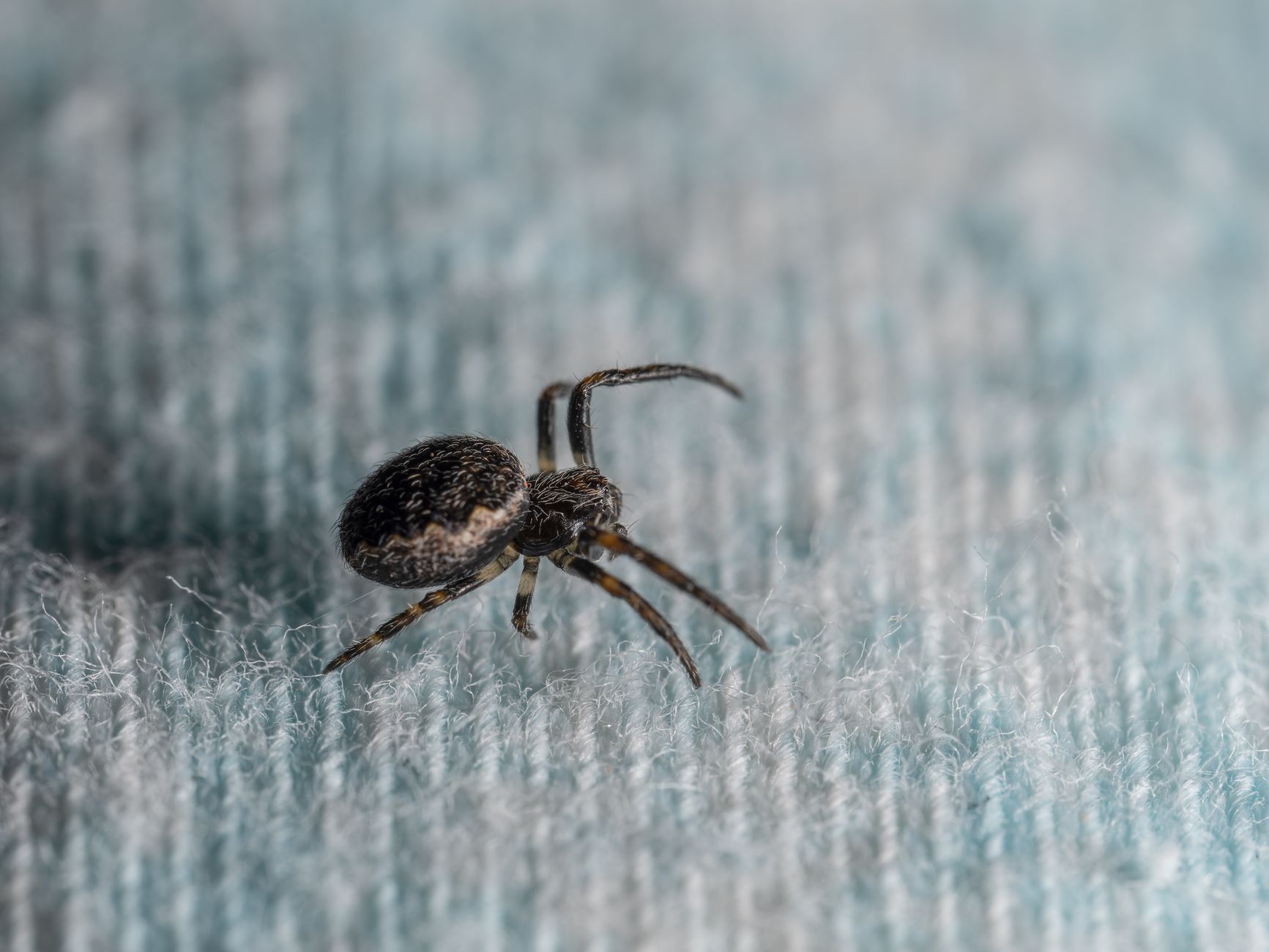
Two species worth recognizing are the Southern house spider and the Joro spider. The Southern house spider is a common indoor visitor. According to the University of Georgia pest guide, these spiders are no real threat and beneficial because they consume pest species such as cockroaches, moths, and flies. Their presence usually signals that those prey insects are already in or around your home.
The Joro spider looks different. Adult females can reach up to 1¼ inches in body size with long legs and build large, sometimes gold-colored orb webs. This species is native to east Asia and first appeared in the Western Hemisphere in northeast Georgia in September 2014.
How to Spot Spider Activity Inside Your Home
Webs are the most obvious sign. Southern house spiders are often found in sheltered indoor areas where their prey insects are present., while Joro spiders construct large spiral, wheel-shaped webs that are hard to miss. Seeing webs in consistent spots suggests a steady supply of prey insects in that area.
If you notice a spider and need to rule out a brown recluse, check the eyes. As the University of Georgia pest guide notes, the male Southern house spider has eight eyes in a single aggregation, while the brown recluse has six eyes in three distinct pairs. This detail can help you distinguish between the two.
Where Spider Activity Shows Up Around Homes
Spiders gravitate toward areas where prey insects gather. Look for webs and live spiders in corners, along baseboards, near light fixtures, and in undisturbed storage spaces. These are all zones where cockroaches, moths, and flies may also be active.
Exterior Entry Points Spiders Use
Spiders typically enter through gaps around doors, windows, and foundation-level openings. Joro spiders are more often found outdoors, where their large orb webs span open spaces. Southern house spiders, on the other hand, may move inside when prey insects are present indoors. Reducing the insects that attract spiders is a key part of keeping them outside where they belong.
Why Spider Problems Develop Indoors
Spiders follow their food. When insects move indoors, spiders are close behind. Understanding the conditions that draw both prey insects and spiders into your home helps you see why indoor spider activity can build over time.
Outdoor Nesting Areas That Draw Spiders Inside
Pests seek protection and shelter in dark cavities in walls or crawl spaces. According to the University of Tennessee Extension, they are also attracted by light, warm air, moisture, and food. Outdoor areas near your home that offer these conditions can become staging grounds where spiders and their prey gather before moving inside.
Odors from dead insects or nests in a wall can also draw pests closer to your living spaces. When food sources or shelter become limited outdoors, both insects and spiders look for the next available option, which is often your home.
Food and Shelter That Attract Spiders Indoors
Spiders feed on insects, so anything that brings insects indoors also supports spider activity. Insects on indoor plants, for example, can create a food source that sustains other pests nearby. Moisture from water leaks on floors or around sinks gives insects another reason to stay.
Keeping floors and counters clean and fixing water leaks removes moisture sources that support insect populations. Vacuuming indoor areas regularly helps minimize spider food such as insects, according to Oregon State University Solve Pest Problems. Fewer prey insects means less reason for spiders to settle in.
How Spiders Move Around Homes
Spiders tend to stay where food is available. If insects gather in kitchens, storage areas, or rooms with moisture, spiders may follow those concentrations. Warm air and light can pull insects deeper into a home, and spiders will trail them to new rooms over time.
Stored food that becomes infested with moths or beetles can create a secondary food web. These small insects provide a steady food supply that keeps spiders nearby.
Trails and Entry Points Spiders Use
Cracks and crevices around sinks, plumbing, and walls give both insects and spiders a way to move between rooms or enter from outside. Using a good-quality caulk or sealant to close gaps around sinks and plumbing, in walls, and along kitchen splash guards helps reduce access.
Sealing these openings limits the paths that spiders and their prey use to travel through your home. Combining regular cleaning with gap sealing addresses the two main drivers: food availability and shelter access.
Risks From Indoor Spider Infestations
When conditions draw spiders into your home, the risks go beyond the nuisance of webs in corners. The same cracks, lights, and sheltered spaces that invite spiders can also welcome other pests. Understanding what those overlapping risks look like helps you decide when a closer look is worthwhile.
Health Risks Linked to Indoor Spiders
Unsealed cracks and gaps around your home can let multiple pests inside, not just spiders. When you seal those entry points, it is important to maintain adequate ventilation for health and safety, according to Mississippi State University Extension. Blocking every opening without proper airflow can create moisture buildup that attracts additional pests and may affect indoor air quality.
Some pests that share the same entry paths as spiders can settle into living spaces. Certain insects hide along seams of mattresses, within box springs, or within cracks and crevices in furniture and areas near sleeping and resting sites. That overlap means the gaps attracting spiders may also let in pests that affect your comfort and rest.
Property Damage From Spider Infestations
Spiders may deposit egg sacs on walls, tree bark, leaves, and nearby structures. Some species produce egg sacs containing hundreds of eggs, as the University of Georgia pest guide notes. When these egg sacs go unnoticed on your home’s exterior walls or eaves, a new generation of spiders can hatch close to entry points and move indoors.
Unsealed openings and crevices leading to the attic, crawl space, and outside give pests a direct path into structural areas where they can build up over time. Addressing those access points on the interior side of walls and ceilings can be done anytime and helps reduce the pathways pests use to reach hidden spaces.
Spider Activity Near Food Areas
Exterior lights positioned close to your home can attract the flying insects that spiders feed on. According to the University of Tennessee Extension, moving exterior lights away from the house or switching to sodium vapor lights can reduce the number of bugs drawn to your walls and doorways. Fewer prey insects near your home means fewer spiders following them inside.
Kitchens and pantries with cracks in walls or ceilings give pests access to areas where food is stored. Sealing cracks and entry points on the interior side of the wall and ceiling helps limit how easily pests move through your home.
When to Look Closer at Spider Activity
If you notice webs forming in attics, crawl spaces, or along ceilings, those areas may have unsealed openings that multiple pests are using. Egg sacs on exterior walls or near doorframes suggest spiders are already reproducing close to your living space.
Pay attention when you spot other pests sharing the same entry points. Cracks in foundations, gaps around windows, and unsealed crevices leading to attics or crawl spaces can serve a wide range of pests. Addressing those access points sooner gives you a clearer picture of what is getting in and why.
Professional Pest Control for Indoor Spiders
Understanding what attracts spiders inside your home is the first step toward keeping them out. Spiders follow their prey, so the same openings and conditions that let insects in will draw spiders after them. A structured approach that combines prevention, inspection, and professional treatment can help you address the root attractants rather than just the spiders you see.
How to Reduce Attractants for Indoor Spiders
Reducing what attracts spiders inside starts with limiting the access points and hiding spots they rely on. According to UC IPM, sealing cracks in the foundation and other parts of the structure, along with gaps around windows and doors, helps prevent spiders from coming indoors.
Clutter provides cover for spiders and the insects they feed on. Keep clutter off the floor indoors and around your home’s foundation outside. Indoors, remove spider hiding places such as boxes and other stored items. These steps make your living space less hospitable to spiders looking for shelter.
Check your window and door screens for good seals. Intact screens help keep out both spiders and the insects they prey on. Gaps that allow entry to spiders should be sealed wherever you find them around the structure.
Why Spider Control Starts With Inspection
Before any treatment plan can work, you need to know where spiders are getting in. Inspection focuses on identifying cracks in the foundation, gaps around windows and doors, and screen damage that may be letting spiders and their prey inside.
Inspection also covers indoor areas where spiders tend to hide, including storage spaces, baseboards, and floor-level clutter. Boxes, stored items, and floor-level clutter can all harbor spiders. Spotting these conditions helps your service professional understand what is drawing spiders into specific rooms or areas of the home.
Outdoor inspection matters too. Clutter near the foundation outside can create harborage right next to your walls. Identifying and addressing these conditions gives your home a stronger perimeter against spider entry.
What to Expect During Professional Spider Treatment
Official Pest Prevention’s local service professionals start by inspecting your home for the gaps, cracks, and conditions that attract spiders inside. This includes checking foundation cracks, window and door seals, and screen integrity.
The team also offers dewebbing services to remove existing webs and spider activity from your home’s exterior. By addressing both the harborage and the entry points, treatment targets what draws spiders in rather than just the visible signs.
Power sprayer services provide coverage around the perimeter of your home. Combined with sealing gaps and removing clutter, this layered approach addresses the conditions that make your home attractive to spiders and the insects they follow.
What to Expect From a Spider Control Plan
A control plan addresses every condition that attracts spiders inside, from foundation cracks to indoor clutter. Your service professional will recommend sealing cracks in the foundation and gaps around windows and doors. They may also suggest removing stored items that serve as hiding places indoors.
Ongoing attention to screens, clutter, and structural gaps helps maintain results over time. Keeping clutter off the floor both inside and around your foundation outside reduces the cover spiders need. A consistent plan keeps the conditions that attract spiders from building back up.
Official Pest Prevention’s local technicians and local customer support team work with you to maintain your home’s defenses. Periodic inspections help catch new gaps or clutter buildup before spiders move back in.
Bottom Line on Keeping Spiders Out
Spiders follow their food. When insects find a way into your home, spiders often come along after them. The combination of available prey, undisturbed hiding spots, and easy entry points through gaps in a structure can make any house appealing to spiders. Reducing those attractants through regular cleaning, organizing stored items, and sealing openings around your home goes a long way toward keeping spiders out. If you are seeing spiders regularly despite your efforts, reach out to Official Pest Prevention to request a quote for dewebbing or power sprayer services.
Frequently Asked Questions
Why Do Spiders Come Inside in the First Place?
Spiders are drawn indoors because insects are already there. A home that provides steady prey gives spiders a reason to stay. Shelter and quiet, undisturbed areas also make indoor spaces attractive to them.
Can Keeping a Cleaner Home Help Reduce Spiders?
Yes. Regular vacuuming and tidying up can reduce the insects that spiders feed on, making your home less appealing. Minimizing clutter also removes the sheltered spots spiders tend to favor.
Are All Spiders Found Indoors Dangerous?
Most spiders you encounter indoors are not a threat. Some, like the Southern house spider, can be confused with more concerning species, so accurate identification matters. If you are unsure what you are seeing, a professional inspection can help.
How Do Spiders Get Into a Sealed Home?
Even well-maintained homes can have small gaps around windows, doors, or foundations. Spiders and the insects they prey on can use these openings to get inside. Checking screens and sealing visible cracks can help reduce entry points over time.
Our methodology: how we research pest control topics
Every Official Pest Prevention article follows the same standard we hold our service work to: clear, accurate, and grounded in what actually works on a real Northern California home. Homeowners across the Sacramento metro and Bay Area communities count on us for honest pest information they can act on, and we treat the writing the same way.
We build our content from a combination of government guidance, peer-reviewed research, and the patterns our technicians see across thousands of homes in our service area. Here is how we approach each article:
Studying pest behavior
We start with how each pest actually lives — where it nests, how it spreads, and what conditions support it. Northern California’s seasonal rain and dry cycles change pest pressure in ways that matter for treatment, and getting the biology right is what tells us what will and will not work.
Reviewing health and home risks
We review research on how each pest affects human health and home structures. Some pests are a nuisance. Others trigger allergies, carry bacteria, or cause structural damage. Knowing the actual risk helps homeowners decide how urgently to act.
Using Integrated Pest Management
Our recommendations are grounded in Integrated Pest Management (IPM), the framework supported by the USDA and EPA. IPM combines monitoring, sanitation, exclusion, and targeted treatment to reduce pest populations while limiting unnecessary product use.
Prioritizing prevention and lasting protection
A pest problem rarely ends with one treatment. We focus on the conditions that allow infestations to start in the first place — moisture, food sources, gaps around the home, harborage zones — because long-term control depends on changing the environment, not just treating the symptoms.
Citing peer-reviewed and government sources
Whenever possible, we support our recommendations with peer-reviewed studies, university extension research, and guidance from agencies like the EPA, CDC, and USDA. Each source we cite is listed at the end of the article.
Why trust us
Official Pest Prevention is a local company with local technicians and local customer support. We serve homeowners across the Sacramento metro and into the Bay Area — Fresno, Elk Grove, West Sacramento, Yuba City, Stockton, Modesto, Pleasanton, Livermore, Hayward, and Fremont. When you call, you reach our team. When a technician shows up, they live and work in your area.
That same standard runs through our content. The information you read here reflects what our technicians see in the field, what current research supports, and what we have learned from servicing homes across our Northern California footprint.
Our credentials
- Service across the Sacramento metro and Bay Area — Fresno, Elk Grove, West Sacramento, Yuba City, Stockton, Modesto, Pleasanton, Livermore, Hayward, and Fremont
- Local technicians and local customer support
- Specialty services including dewebbing and power sprayer treatments
- General pest control, mosquito, rodent, termite, and seasonal pest programs
- Continuous review of research, regulations, and California-specific pest pressure
Sources and standards we reference
To keep our content accurate and up to date, we rely on established research and authority sources, including:
Environmental Protection Agency (EPA):
Guidelines on product use, labeling, and approved applications.
Centers for Disease Control and Prevention (CDC):
Public-health guidance on pests that affect human health, including mosquitoes, ticks, rodents, and cockroaches.
United States Department of Agriculture (USDA):
Integrated Pest Management standards and pest biology research.
National Pest Management Association (NPMA):
Industry standards, pest behavior research, and seasonal trend reporting.
University of California Cooperative Extension:
Peer-reviewed, region-specific research on Northern California pest biology and control methods.
Peer-reviewed journals:
Research published in entomology, public health, and environmental science journals to support specific claims about pest behavior, health risks, and treatment efficacy.
Article sources
The following sources were specifically referenced in the research and development of this article:
- University of Georgia pest guide
- University of Tennessee Extension
- Oregon State University Solve Pest Problems
- Mississippi State University Extension
- UC IPM
All information is accurate at the time of publication and is reviewed regularly to reflect current research and pest control standards.