Cockroaches in Sacramento can create costly problems when early signs are missed. Learn what to spot and when to call Official Pest Prevention.
Key Takeaways About Sacramento Cockroaches
Cockroach types found in Sacramento
Several cockroach species show up in Sacramento homes. Identifying the species guides the right treatment.
- Several cockroach species can show up in Sacramento homes, including German cockroaches, American cockroaches, Turkestan cockroaches, and brown-banded cockroaches. Identifying the species matters because each one calls for a different treatment approach.
- Cockroaches are drawn to food, moisture, and shelter. Reducing access to these attractants and sealing gaps around doors, windows, and utility openings can help lower the chance of an infestation.
- Roaches can carry bacteria and contaminate food and surfaces, making prompt attention important for your household’s well-being.
- German cockroaches in particular require a more thorough treatment plan. If you spot roaches in your Sacramento home, contact Official Pest Prevention for a professional assessment.
How to Identify Sacramento Cockroaches
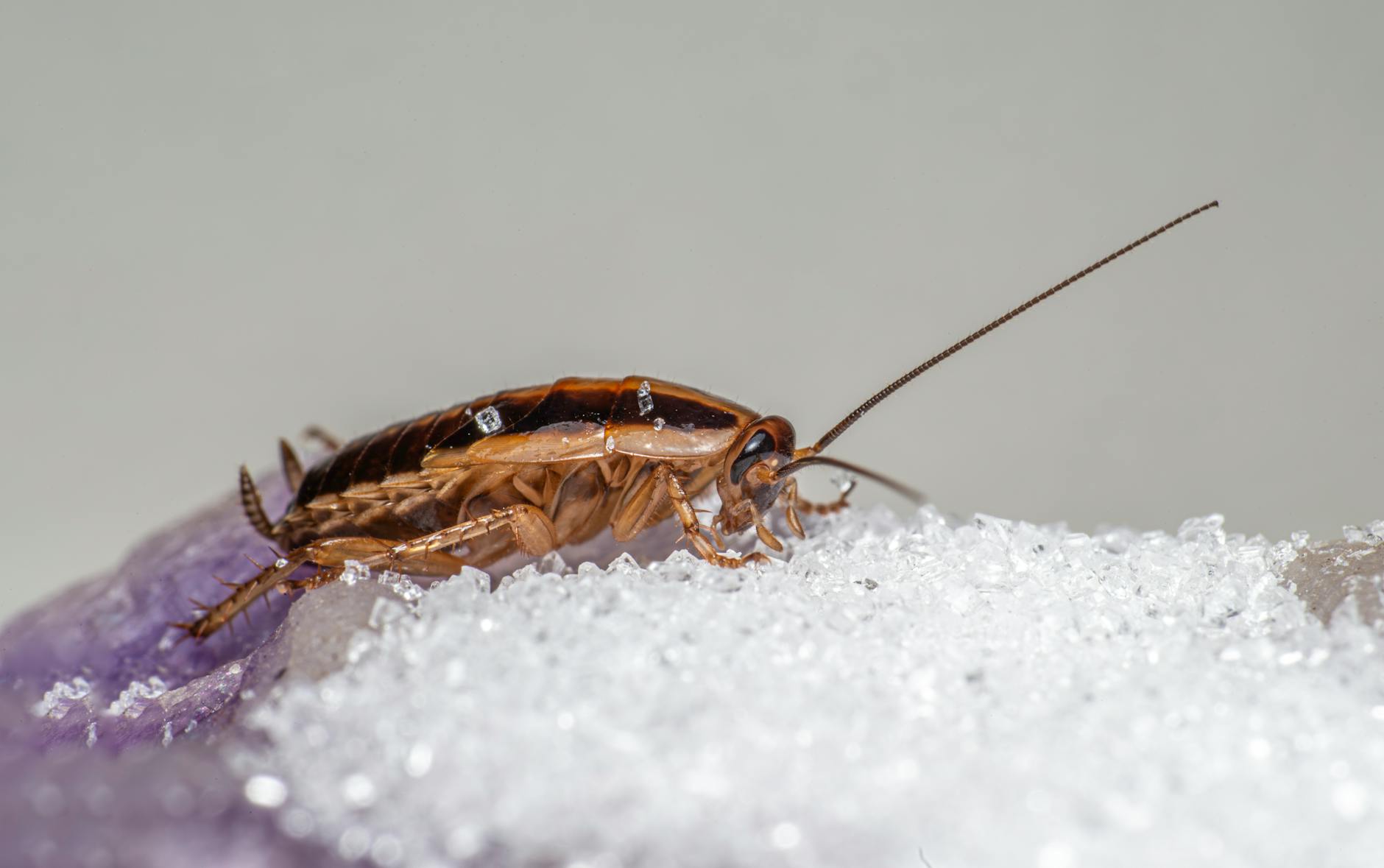
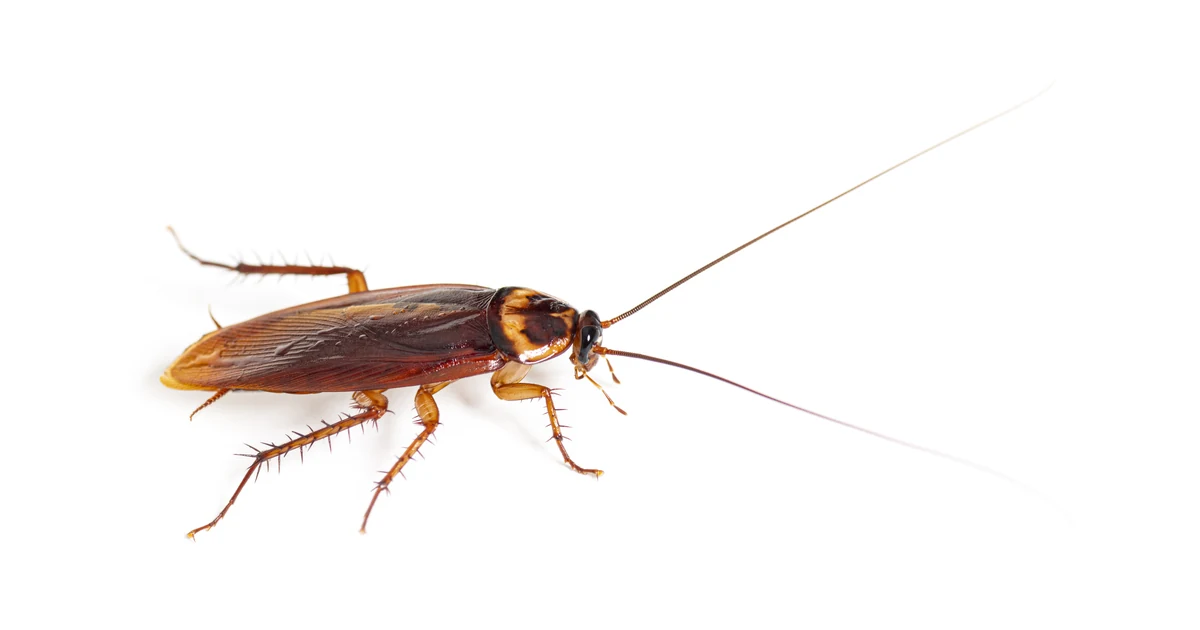
Knowing which species you are dealing with is the first step toward addressing a cockroach problem in your Sacramento home. According to UC IPM, five species of cockroaches in California are commonly regarded as pests: the German cockroach, brownbanded cockroach, oriental cockroach, American cockroach, and Turkestan cockroach. Each species looks different and behaves differently, so accurate identification matters.
How to Tell Cockroach Types Apart in Sacramento
Some cockroach species live outdoors but can temporarily move inside your home, including the American, oriental, and Turkestan cockroach. Others, like the German and brownbanded cockroach, live and breed entirely indoors. That indoor-versus-outdoor distinction is one of the quickest ways to narrow down which species you are seeing.
The German cockroach stands out because of its reproductive speed. A single female and her offspring can produce over 30,000 individuals in a year, giving this species the fastest reproductive cycle of all common pest cockroaches. If you notice a population growing quickly indoors, German cockroaches are a likely suspect.
How to Spot Cockroach Activity Inside Your Sacramento Home
German and brownbanded cockroaches breed entirely indoors, so activity from these species tends to concentrate in kitchens and areas where food, moisture, and shelter are available. You may notice droppings, shed skins, or egg cases near countertops, cabinets, and plumbing fixtures.
Cockroaches are mostly active at night. Seeing one during the day can suggest a larger population is present. Pay attention to any musty odor in confined spaces, which can accompany a growing infestation.
Where Cockroach Activity Shows Up Around Sacramento Homes
American, oriental, and Turkestan cockroaches spend most of their time outdoors. You may find them near exterior walls, in garden beds, or around drainage areas before they move inside temporarily.
Exterior Entry Points Cockroaches Use Around Sacramento Homes
Cracks or gaps in walls and floors are common pathways cockroaches use to get inside. Even clean spaces can attract cockroaches if entry points exist. Official Pest Prevention seals entry points as part of its treatment approach, which helps reduce the chances of cockroaches returning after service.
Why Cockroach Problems Develop in Sacramento
Cockroach problems in Sacramento homes usually come down to three basics: food, moisture, and shelter. When these conditions line up, cockroaches can settle into a structure and build numbers quickly. Understanding where they nest, what draws them in, and how they travel helps you address root causes rather than just symptoms.
Outdoor Nesting Areas for Cockroaches Around Sacramento Homes
Larger cockroach species are occasionally found in homes but are more common around restaurants, grocery stores, bakeries, and other sites where food is prepared. Around Sacramento homes, outdoor areas that offer warmth, darkness, and access to food scraps can serve as staging points. Brown-banded cockroaches do well in drier habitats compared to German cockroaches and prefer starchy food sources.
Food and Shelter That Attract Cockroaches Around Sacramento Homes
Common attractants include leftover food, dirty dishes, leaky pipes, clutter, and gaps in walls or floors. According to UC IPM, German cockroaches prefer food preparation areas, kitchens, and bathrooms, favoring warm (70° to 75 °F), humid areas close to food, water, and dark harborage spots.
When cockroaches have steady access to food, control tools like baits take longer to deliver results because the pests have other food options to rely on. Reducing available food in your home is one of the most important steps you can take.
How Cockroaches Move Around Sacramento Homes
German cockroaches can become pests in homes, apartments, schools, warehouses, and virtually any structure that has food preparation or storage areas. They tend to stay close to kitchens and bathrooms where warmth and moisture are reliable. Brown-banded cockroaches may appear alongside German cockroaches but can spread into drier rooms throughout the house.
Trails and Entry Points Cockroaches Use in Sacramento
Sealing cracks in walls and floors and fixing leaks removes two of the conditions cockroaches depend on. If you suspect an infestation or have trouble finding where cockroaches are getting in, contact Official Pest Prevention to request a quote.
Risks From Sacramento Cockroaches
When cockroaches move into your Sacramento home, they bring more than just an unpleasant surprise. These pests can carry diseases, compromise food prep areas, and create ongoing nuisance problems that grow harder to manage over time.
Health Risks Linked to Sacramento Cockroaches
The most serious concern with cockroaches in Sacramento is their ability to transfer disease-causing organisms. According to UC IPM, German cockroaches are believed to be capable of transmitting organisms such as Staphylococcus spp., Streptococcus spp., hepatitis virus, and coliform bacteria. These pests pick up pathogens as they move through unsanitary areas, then carry them onto the surfaces in your home.
Cockroaches can also trigger allergies and asthma, especially in kitchens and food-handling areas where your family prepares meals.
Property Damage From Cockroaches in Sacramento
Cockroaches enjoy many of the same foods we eat, and they are not particular about where they find them. They can contaminate food and surfaces throughout your home. Over time, dealing with recurring pests means replacing contaminated pantry items and spending time on deep cleaning.
Food Areas and Cockroach Activity in Sacramento Homes
Kitchens, dining areas, and anywhere you store food can become hotspots for cockroach activity. Sealing food in containers, fixing leaks, and closing off structural gaps can help reduce the risk, but professional help is often needed for hard-to-reach nesting areas.
When to Look Closer at Cockroach Activity in Sacramento
If you spot cockroaches during the day, there may be enough pests present that some are being pushed out of hiding. Because these pests may transfer disease-causing organisms, it is worth acting quickly rather than waiting to see if the problem grows.
Contact Official Pest Prevention to request a quote if you notice cockroach activity in your Sacramento home. Our local techs can assess the situation and recommend a treatment approach matched to the species involved.
Professional Pest Control for Cockroaches in Sacramento
Dealing with a cockroach infestation in your Sacramento home can feel overwhelming, especially when store-bought approaches fall short. According to Texas A&M AgriLife Extension, cockroaches are best controlled through an integrated pest management process that combines inspection, sanitation, exclusion, and targeted treatments.
How to Reduce Attractants for Cockroaches in Sacramento
You can reduce the risk by keeping your space clean, sealing food in airtight containers, fixing leaky pipes, and closing off structural gaps. Ongoing attention matters because even a tidy home can draw cockroaches when entry points exist.
Sanitation is one of the core steps in integrated pest management. Removing attractants makes your home less hospitable and supports any professional treatment that follows. Your effort before and during service plays a direct role in the outcome, particularly with German cockroach infestations.
Why Cockroach Control in Sacramento Starts With Inspection
A thorough inspection helps identify which species is present and how large the infestation has become. German cockroaches, American cockroaches, brown-banded cockroaches, and Turkestan cockroaches each have different habits, so pinpointing the type guides the right approach. Without inspection, treatments may miss the areas where cockroaches are most active.
Inspection also reveals entry points and moisture sources. Official Pest Prevention’s local techs assess these conditions so that exclusion work and treatment placement are focused where they matter most.
What to Expect During Professional Cockroach Treatment in Sacramento
Treatment methods vary by species. German roaches require an insect growth regulator (IGR) to stop the rate of reproduction, along with a more thorough approach that includes help from the homeowner. The initial German cockroach service is a $100 add-on to the regular service plan. Other species, like American, brown-banded, and Turkestan cockroaches, typically respond to granular treatments.
Baits are a central tool in cockroach control. As Texas A&M AgriLife Extension notes, sprays are not nearly as effective as baits for addressing German cockroach infestations. In moderate to heavy infestations, as many as 12 to 15 bait stations may be needed in a standard-sized home. Traps alone do not provide sufficient control of well-established infestations; vacuuming, bait, dust, or spray are also needed.
Official Pest Prevention applies targeted treatments using baits and growth regulators, seals entry points, and provides sanitation recommendations to help prevent recurrence. Follow-up visits are often necessary to break the breeding cycle.
What to Expect From a Sacramento Cockroach Control Plan
A complete cockroach control plan combines inspection, sanitation guidance, exclusion, and ongoing treatment. Results can be seen within days, but complete resolution may take several weeks depending on infestation severity and species. Your cooperation with sanitation steps is especially important for German cockroach cases.
Official Pest Prevention is a local company with local techs and local customer support serving the Sacramento area, including West Sacramento and Elk Grove. If you are dealing with cockroaches in your home, contact Official Pest Prevention to schedule an inspection.
Bottom Line on Cockroaches in Sacramento
Cockroaches can show up in Sacramento homes any time conditions favor them, and different species call for different approaches. German cockroaches are the most persistent indoor species in California and require a more thorough treatment process, while outdoor-leaning species are usually manageable with granular bait treatments. Keeping your home clean, sealing entry points, and addressing moisture issues all help reduce the chance of an infestation. When cockroaches move in despite your best efforts, professional treatment is often the most practical path forward.
Official Pest Prevention’s local team can assess your situation and recommend a targeted plan.
Frequently Asked Questions About Cockroaches in Sacramento
Why Do I Have Cockroaches in My Home?
Cockroaches seek out food, moisture, and shelter. Leftover food, leaky pipes, clutter, and gaps in your home’s exterior can all contribute. Even clean homes may attract them when entry points are available.
Are Cockroaches a Health Concern?
Yes. Cockroaches can contaminate food and surfaces, posing health risks particularly in kitchens and food-handling areas. Addressing an infestation promptly helps protect your household.
What Types of Cockroaches Are Found in Sacramento?
Common types in Sacramento include German, American, Turkestan, and brown-banded cockroaches. Each species has different habits and preferred environments, which affects how they should be treated.
How Long Does Professional Cockroach Treatment Take?
You may notice results within days, but full resolution can take several weeks based on severity and species. Follow-up visits help break the breeding cycle. German cockroach infestations in particular require homeowner cooperation alongside professional service. Contact Official Pest Prevention to learn what to expect for your specific situation.
Our methodology: how we research pest control topics
Every Official Pest Prevention article follows the same standard we hold our service work to: clear, accurate, and grounded in what actually works on a real Northern California home. Homeowners across the Sacramento metro and Bay Area communities count on us for honest pest information they can act on, and we treat the writing the same way.
We build our content from a combination of government guidance, peer-reviewed research, and the patterns our technicians see across thousands of homes in our service area. Here is how we approach each article:
Studying pest behavior We start with how each pest actually lives — where it nests, how it spreads, and what conditions support it. Northern California’s seasonal rain and dry cycles change pest pressure in ways that matter for treatment, and getting the biology right is what tells us what will and will not work.
Reviewing health and home risks We review research on how each pest affects human health and home structures. Some pests are a nuisance. Others trigger allergies, carry bacteria, or cause structural damage. Knowing the actual risk helps homeowners decide how urgently to act.
Using Integrated Pest Management Our recommendations are grounded in Integrated Pest Management (IPM), the framework supported by the USDA and EPA. IPM combines monitoring, sanitation, exclusion, and targeted treatment to reduce pest populations while limiting unnecessary product use.
Prioritizing prevention and lasting protection A pest problem rarely ends with one treatment. We focus on the conditions that allow infestations to start in the first place — moisture, food sources, gaps around the home, harborage zones — because long-term control depends on changing the environment, not just treating the symptoms.
Citing peer-reviewed and government sources Whenever possible, we support our recommendations with peer-reviewed studies, university extension research, and guidance from agencies like the EPA, CDC, and USDA. Each source we cite is listed at the end of the article.
Why trust us
Official Pest Prevention is a local company with local technicians and local customer support. We serve homeowners across the Sacramento metro and into the Bay Area — Fresno, Elk Grove, West Sacramento, Yuba City, Stockton, Modesto, Pleasanton, Livermore, Hayward, and Fremont. When you call, you reach our team. When a technician shows up, they live and work in your area.
That same standard runs through our content. The information you read here reflects what our technicians see in the field, what current research supports, and what we have learned from servicing homes across our Northern California footprint.
Our credentials
- Service across the Sacramento metro and Bay Area — Fresno, Elk Grove, West Sacramento, Yuba City, Stockton, Modesto, Pleasanton, Livermore, Hayward, and Fremont
- Local technicians and local customer support
- Specialty services including dewebbing and power sprayer treatments
- General pest control, mosquito, rodent, termite, and seasonal pest programs
- Continuous review of research, regulations, and California-specific pest pressure
Sources and standards we reference
To keep our content accurate and up to date, we rely on established research and authority sources, including:
Environmental Protection Agency (EPA): Guidelines on product use, labeling, and approved applications.
Centers for Disease Control and Prevention (CDC): Public-health guidance on pests that affect human health, including mosquitoes, ticks, rodents, and cockroaches.
United States Department of Agriculture (USDA): Integrated Pest Management standards and pest biology research.
National Pest Management Association (NPMA): Industry standards, pest behavior research, and seasonal trend reporting.
University of California Cooperative Extension: Peer-reviewed, region-specific research on Northern California pest biology and control methods.
Peer-reviewed journals: Research published in entomology, public health, and environmental science journals to support specific claims about pest behavior, health risks, and treatment efficacy.
Article sources
The following sources were specifically referenced in the research and development of this article:
All information is accurate at the time of publication and is reviewed regularly to reflect current research and pest control standards.