Most people do not realize they have bed bugs until the problem has already started. One day, everything feels normal, then you wake up with itchy bites and no clear idea why. That moment leads many homeowners to ask the same question.
You can keep a clean home, wash bedding often, and still end up with bed bugs. Bed bugs do not care about dirt or cleanliness. They spread by following people, their movements, and their personal belongings.
When you understand how bed bugs spread, you can spot risks early and take action with proper bed bug control before infestations grow.
Key Takeaways
- Bed bugs spread by hitchhiking on people, luggage, and belongings
- Clean homes are just as vulnerable as cluttered ones
- Early signs of bed bugs are easier to stop than full infestations
- Professional bed bug control prevents repeat problems
Video: Why Bed Bugs Are So Hard To Eliminate
This video explains why bed bugs resist many common treatments and how their biology makes them difficult to control. It breaks down behavior, hiding habits, and why professional strategies work better than quick fixes.
Why Bed Bugs Are So Hard To Avoid
Bed bugs, scientifically called Cimex lectularius, have adapted to living around people. They feed only on blood and stay close to where people sleep. They need blood to survive and reproduce, so they hide during the day and come out at night.
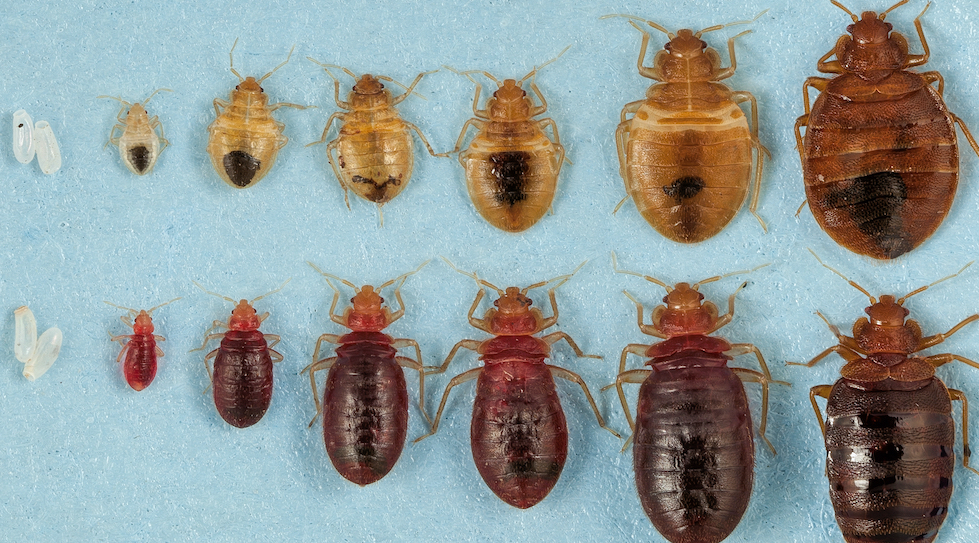
Adult bed bugs are flat, oval, reddish-brown, and about the size of an apple seed. Younger nymphs are smaller and lighter in color, which makes them harder to see. They squeeze into tiny crevices and often stay unnoticed until bites or other signs appear.
This hiding ability explains why bed bug infestations often spread before homeowners notice them.
Travel Is One Of The Most Common Causes
Travel plays a major role in how bed bugs spread from place to place. Hotels, vacation rentals, and cruise ships experience frequent guest turnover, creating constant opportunities for bed bugs to spread.
Bed bugs crawl into suitcases, clothing, and personal items while people sleep. After you return home, they leave their luggage and move into the sleeping areas. Public transportation can also spread bed bugs when bags sit on floors or seats from infested areas.
Even a short overnight stay can allow bed bugs to travel home unnoticed.
Used Furniture And Household Items
Second-hand furniture creates another common way bed bugs enter homes. Used furniture, bed frames, headboards, box springs, and upholstered items often carry hidden risks.
Bed bugs hide deep in mattress seams, joints, and upholstery fabric. A quick visual check rarely finds them. Once inside a home, they spread quickly to nearby rooms.
This risk also applies to curbside furniture, thrift store items, and hand-me-downs from friends who may not know they have bed bugs.
Visitors Can Bring Them Inside
Guests do not need to stay overnight to bring bed bugs inside. Coats, backpacks, purses, and shoes can all carry bed bugs from one place to another.
When someone spends time in an infested area, bed bugs can move into their belongings and then into your home. This shared movement between people and units causes faster spread in apartment buildings, condos, and other multi-unit housing.
Bed bugs use body heat and carbon dioxide to find people, so they settle in quickly once someone sleeps nearby.
Where Bed Bugs Hide Inside Your Home
Once inside a home, bed bugs look for dark, quiet hiding places near where you sleep. Mattresses and bed sheets are common starting points, but the infestation rarely stays there.
They hide behind baseboards, under loose wallpaper, inside bed frames, behind headboards, and in cracks in walls and floors. Upholstery, curtains, and nearby furniture also provide shelter.
Because bed bugs spread over time, early detection makes them much easier to control.
Early Signs You Should Never Ignore
Bites are often the first sign people notice, but bed bug bites look different on each person. Some people get itchy welts or allergic reactions, while others show little or no reaction.
Other signs of bed bugs include small blood spots on bed sheets, dark spots along seams or walls, shed skins from young bed bugs, and tiny droppings near hiding areas. These signs of bed bug infestation often appear before you see the bugs.
Confusing bed bug bites with mosquito or flea bites often delays treatment and allows the infestation to grow.
How Bed Bugs Multiply So Quickly
Understanding the bed bug life cycle explains why infestations grow fast. After feeding, female bed bugs lay eggs in hidden areas. Eggs hatch into nymphs that must feed before each growth stage.
With regular access to blood, bed bug populations grow fast. Missed eggs or surviving nymphs restart the cycle, which causes many DIY treatments to fail.
Without proper treatment, a few bugs can become a serious infestation within weeks.
Why DIY Treatments Rarely Work
Many homeowners try to solve bed bug problems with store-bought pesticides. Most products fail to reach the hidden areas where bed bugs live.
Improper pesticide use increases resistance and pushes bed bugs deeper into walls, furniture, and nearby rooms. The EPA and other government resources warn against improper bed bug treatments.
Effective bed bug control uses integrated pest management (IPM), which combines inspections, targeted treatments, monitoring, and follow-up.
Professional Bed Bug Control Makes The Difference
A licensed exterminator understands bed bug behavior and hiding spots. Professional pest control companies use proven methods, specialized products, and detailed inspections to kill bed bugs at every life stage.
At Official Pest Prevention, our treatments focus on inspections, precise applications, and follow-up visits. This approach reduces risk and helps prevent repeat infestations.
Trying to treat bed bugs without professional help often wastes time and allows infestations to grow.
Preventing Bed Bugs Going Forward
Prevention starts with awareness. Inspect hotel rooms before unpacking, keep luggage elevated, and wash travel clothing in hot water after returning home. Store clothing in a sealed plastic bag until laundering.
Be cautious with used furniture and inspect sleeping areas regularly. Catching the signs early gives you the best chance to avoid major bed bug infestations.
Knowing what you need to know about bed bugs helps you protect your home and family long term.
Making The Right Bed Bug Control Choice For Your Home
Bed bugs spread quietly, but they rarely go away on their own. When you understand how you get bed bugs, you can spot risks early and take action before infestations grow.
Early action, proper identification, and professional bed bug control save time, stress, and money. If you suspect activity or notice signs of bed bug infestation, acting quickly matters.
At Official Pest Prevention, we help homeowners across Sacramento, Fresno, and surrounding communities eliminate bed bugs safely and completely.
Contact us today and get rid of bed bugs for good.
FAQs
How fast do bed bugs spread once inside a home?
Bed bugs spread quickly once established. With regular feeding, populations grow within weeks as eggs hatch and nymphs mature. Missing early signs allows infestations to expand into walls, furniture, and nearby rooms.
Can bed bugs live in clean homes?
Yes. Bed bugs are attracted to people, not dirt. Clean homes provide the same access to a blood meal as cluttered spaces, which is why cleanliness alone does not prevent infestations.
Are bed bug bites dangerous?
Bed bug bites do not spread disease, but they can cause itching, welts, and allergic reactions in some people. Scratching bites increases the risk of infection and discomfort.