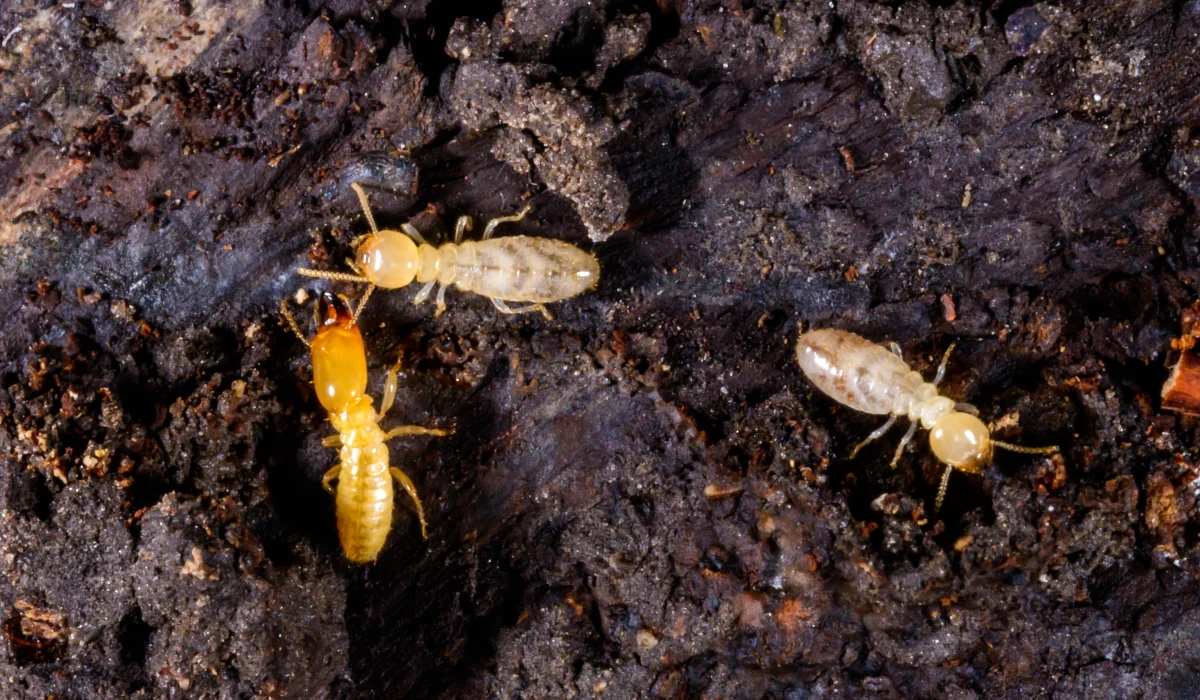
Subterranean termites are a common pest problem in Yuba City. Warm weather and steady moisture help them grow and spread quickly. Many homeowners do not notice a termite infestation until damage has already started.
Knowing how fast subterranean termites spread helps you act sooner. They live underground and travel through mud tubes into your home, often out of sight. By the time you see signs of termite activity, the colony may already be large.
If you know what to look for and how quickly termites spread, you can protect your home or business from termite damage. Early detection and the right termite control plan help limit damage.
Key Takeaways
- Subterranean termites can spread within weeks after finding a food source, depending on moisture and access to wood.
- Termite colonies grow over time and can form new colonies through swarmers.
- Moisture problems and soil contact help termites spread faster.
- Early detection and regular inspections help limit termite damage.
- Professional termite control helps prevent termite infestations.
How Fast Subterranean Termites Can Spread
Subterranean termites spread at different speeds based on conditions around your property. Here are common timelines to understand how quickly a termite infestation can grow.
Within Weeks of Entry
Subterranean termites can spread within weeks after finding a food source, based on moisture and access to wood. Worker termites begin feeding on cellulose in wood structures right away.
In Yuba City, soil moisture is common, so termites often move through foundation walls into wooden structures.
Within a Few Months
After a few months, subterranean termite colonies grow larger and more active. Worker termites expand tunnels and mud tubes, reaching more areas of the home.
At this stage, you may notice small signs of termite damage, such as soft wood or changes in baseboards or flooring.
Within One Year
Within months to a year, a termite infestation may cause visible damage, based on colony size and conditions. Subterranean termite colonies can contain thousands of termites working at the same time.
They are often found in crawl spaces, walls, and support beams, where homeowners may notice signs like swarmers and mud tubes.
What “Spread” Means in a Home
When people hear that termites spread, it can mean different things. Understanding how termites spread inside a home helps you recognize the risk earlier.
Movement Through Soil and Foundation
Subterranean termites spread by moving through soil and entering through small entry points in foundation walls. They build mud tubes to stay protected while traveling, allowing them to reach different parts of their home.
Expansion of Termite Colonies
As termite colonies grow, they expand their reach and can form new colonies. Reproductive termites, also called alates or swarmers, leave during swarm season, and these flying termites can start new colonies nearby under the right conditions.
Damage Spreading Through Wood Structures
Once inside, termites spread through wooden structures as they feed on cellulose. Over time, this increases damage in support beams, flooring, and other structural areas.
Factors That Speed Up Termite Spread
Certain conditions in Yuba City can speed up termite spread by increasing activity and helping colonies grow.
Moisture and Damp Wood
Moisture problems increase termite activity and create good conditions for subterranean termites. Damp wood is especially attractive and supports their survival.
Leaky pipes, poor drainage, and clogged gutters or downspouts can contribute to these conditions. Addressing moisture problems can help slow the spread of termites.
Easy Access and Soil Contact
Termites spread faster when wood touches soil. Direct soil contact often occurs near foundation edges or in crawl spaces.
Landscaping, tree stumps, and wood debris near your home can also provide easy access and extra food sources.
Lack of Regular Inspections
Without regular inspections, termite activity can go unnoticed for long periods, allowing subterranean termite colonies to grow.
A professional inspection helps find termite activity early and reduces the risk of a larger infestation.
When Speed Becomes a Damage Risk
Fast termite spread becomes a serious issue when damage starts to affect your property.
Visible Termite Damage
When termite damage becomes visible, the infestation is often already established. You may notice cracked or hollow wood and weakened structures.
This type of damage can affect structural components over time and may lead to costly repairs if not addressed.
Frequent Swarmers Indoors
Seeing swarmers or winged termites inside your home is a strong warning sign. You may find wings near windowsills or doors, which can indicate that termite colonies are active inside or near your property.
Ongoing Termite Activity
If you continue to notice termite activity, such as mud tubes or damaged wood, the infestation is active.
At this stage, DIY methods often do not fully stop a termite infestation, and a professional pest control service is typically needed to manage the problem.
Schedule a Termite Inspection in Yuba City
If you suspect subterranean termites, schedule a termite inspection as soon as possible. A trained technician can inspect your property for signs of termites, identify entry points, and recommend next steps based on the findings.
In Yuba City, local conditions can speed up termite spread. Official Pest Prevention provides professional pest inspections and treatment services to help identify pest activity and reduce further damage.
Contact us to schedule an inspection and help protect your property from termites.
FAQs
How fast do subterranean termites spread in a home?
Subterranean termites can start spreading within weeks after entering a home. Over several months, termite colonies grow and expand through wood. Within months to a year, a termite infestation may cause visible damage if left untreated.
What attracts subterranean termites to a property?
Subterranean termites are attracted to moisture and wood. Damp wood, soil contact, and areas like crawl spaces or foundation walls create ideal conditions. Landscaping, tree stumps, and poor drainage can also increase the risk of termite activity.
Can I stop termites from spreading on my own?
DIY methods may slow termites, but usually do not stop a full termite infestation. Subterranean termite colonies are hidden and require professional pest control. A pest control service can provide termite treatment and long-term protection.