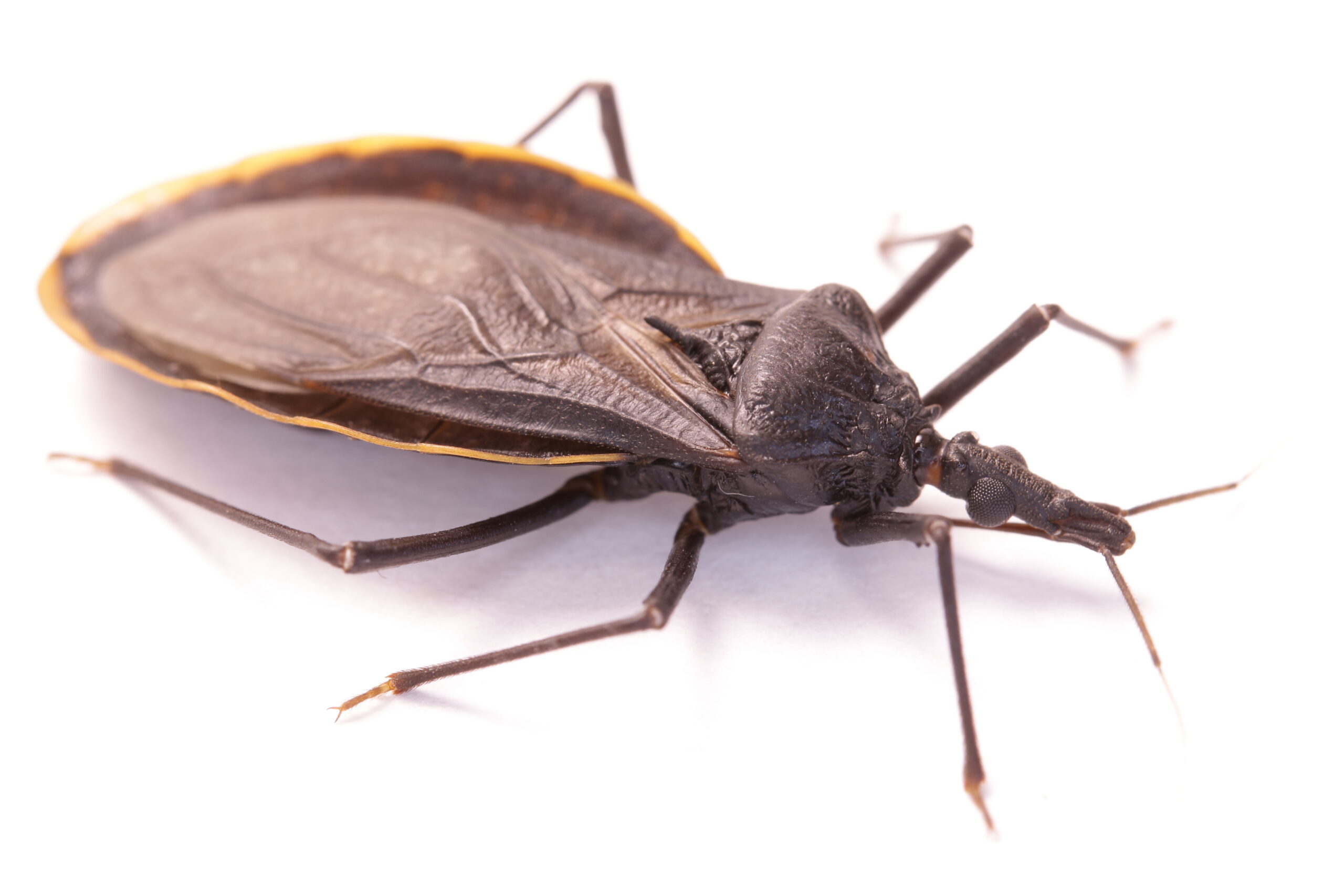
You’re pulling weeds or shifting a stack of bricks, and something the size of your thumb bolts out from underneath it: a bald, round head, a fat orange body ringed in black, no wings, moving faster than anything that size should. That’s a Jerusalem cricket, and if you’re in California, this kind of sighting is common in gardens, mulch beds, and anywhere the soil stays loose and damp.
It looks built to be dangerous. It isn’t. Here’s how to identify a Jerusalem cricket in California, why it shows up where it does, and the situations where it’s actually worth a call to a professional.
Key Takeaways
- Jerusalem crickets are large, wingless insects with a round head and black-banded abdomen, easy to identify once you know the traits.
- They live underground in loose, moist soil and surface mainly at night, after rain, or when the soil gets disturbed.
- They pose no real threat to your home or family, though handling one directly can earn you a painful pinch.
- Clearing debris, reducing moisture, and sealing gaps near your foundation keeps them from wandering indoors.
What a Jerusalem Cricket Looks Like
Jerusalem crickets are among the largest insects found in the western United States, and their size is usually the first thing people notice.
Physical Features
Look for a bald, rounded head that reads as almost human, paired with a fat orangish abdomen ringed in black bands, spiny hind legs, and long brown antennae. Adults grow to roughly two inches long. They have no wings at all, so if something that size is flying around your patio light, it isn’t a Jerusalem cricket. Both juveniles and adults are wingless and move slowly across the ground rather than jumping or flying.
Nymphs vs. Adults
Young nymphs look like miniature versions of the adults rather than a different form, which makes identification a little easier across life stages. These insects feed and tunnel underground during the day and are most often seen aboveground after gardeners disturb the soil, after heavy irrigation or rain, or at night and twilight during mild weather.
Where They Live and Why They Show Up
Jerusalem crickets spend nearly all of their lives underground, so where one turns up usually says more about your yard’s soil and moisture than anything unusual happening nearby.
Typical Habitat
Garden beds, mulched areas, and yards with loose or recently turned soil are the most common places to find them. They favor dark, moist soil, feeding on both living and dead plant material as they dig.
When and Why They Move Around
Because they’re flightless, Jerusalem crickets travel entirely on foot, which keeps their movement limited to ground-level paths. A hot, dry stretch of weather can push one toward a cooler, shadier spot, which occasionally means your garage, a shaded doorway, or a gap under a door. Indoor sightings are usually a single wandering individual rather than a sign of a larger problem.
Are Jerusalem Crickets Dangerous?
Jerusalem crickets look far more dangerous than they actually are.
Health and Property Risks
They’re generally not a threat to people or woody plants. Their diet leans toward insects, nonwoody roots, and tubers. They may occasionally damage turf or vegetables too. They aren’t associated with spreading disease, and they don’t chew through wood, wiring, or building materials.
The Bite Question
The one caveat is their bite. The Bohart Museum of Entomology points out that while these insects are essentially harmless, they can bite, so some care should be taken when handling them. Beyond that, most encounters are more of a startle than a real concern.
What to Do If You Find One
A Jerusalem cricket sighting rarely calls for more than a quick response. In most cases, no control is necessary for Jerusalem crickets. If one turns up somewhere it isn’t wanted, it can be scooped into a box and released outside. They may even serve as a food source for birds and other backyard wildlife.
Habitat Changes That Help
If you’d rather not see them near your house at all, a few habitat changes make a difference:
- Clear mulch, leaf litter, and woodpiles that sit directly against exterior walls.
- Reduce excess moisture around the foundation from sprinklers or drainage.
- Seal gaps under doors, around utility lines, and along the foundation where ground-level pests can wander in.
- Keep garden beds and loose soil pulled back a few feet from the house.
When to Call a Pest Professional
A single cricket in the yard is normal; a pattern of them appearing inside the house is the detail that changes things.
Signs Worth a Closer Look
A Jerusalem cricket outdoors rarely calls for treatment. Repeated indoor sightings are different, since they can point to entry gaps that let in other, less welcome pests too. California is also home to other ground-dwelling insects and arachnids that get mistaken for Jerusalem crickets at a glance, so confirming the species matters before deciding on next steps.
What an Inspection Involves
An Official Pest Prevention technician can inspect the interior and exterior of your property, identify what’s present, and recommend the most appropriate next steps based on the conditions found.
Jerusalem Cricket in California: Bottom Line
In California, a Jerusalem cricket sighting is almost always a large insect that poses no real threat, passing through loose soil or escaping a hot afternoon rather than signaling an infestation. Identification is straightforward once you know the traits, and simple habitat changes go a long way toward keeping them out of your living space.
Repeated indoor activity or uncertainty about what you’re seeing is a different situation, and that’s when a professional opinion earns its keep. Official Pest Prevention serves homeowners across Fresno, Sacramento, Elk Grove, and the surrounding Central Valley.
If you’re seeing repeated indoor activity or aren’t sure what pest you’re dealing with, contact us to schedule an inspection and get recommendations based on your property’s conditions.
Frequently Asked Questions
Are Jerusalem crickets found throughout California?
Yes. They’re widespread across the state, particularly in areas with loose or sandy soil, gardens, and undeveloped land near homes.
Do Jerusalem crickets bite people?
They can, if handled or cornered. Their jaws are strong enough to pinch, though they aren’t venomous and aren’t known to seek out people.
Will a Jerusalem cricket damage my house?
No. They feed on soil-dwelling insects, roots, and tubers, not on wood, wiring, or building materials, so they don’t pose a structural risk.
Why do I see them more after it rains?
Rain and irrigation saturate the soil they burrow through, which often pushes them to the surface as they move to drier ground.
Should I call a pest control company for a single sighting?
Usually not. One cricket outdoors is normal. Repeated indoor sightings are a better reason to have a technician check for entry points.