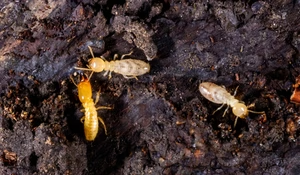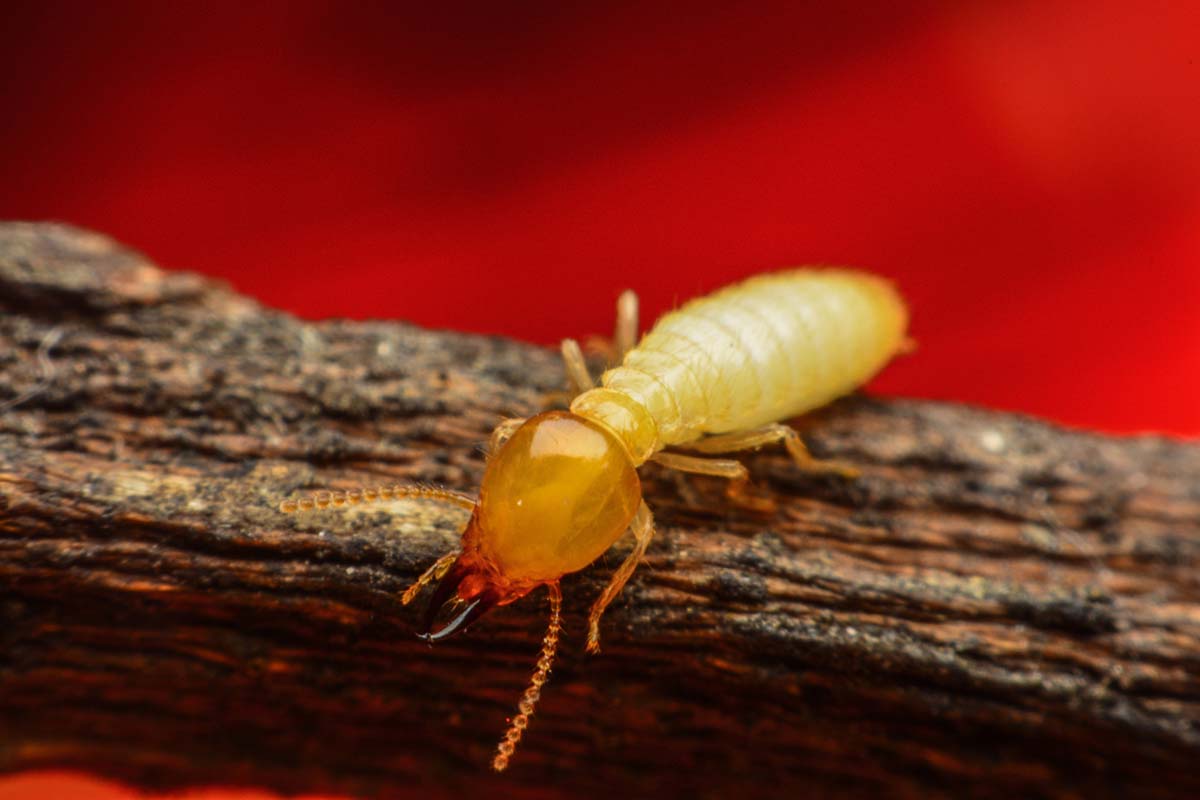
Termites are common in California, and they can stay hidden for a long time. You may not notice a problem until there is wood damage or costly damage to parts of the home.
A termite inspection helps with early detection and better pest control. It gives you a clear plan, instead of guessing. The best timing depends on your home, your area, and your risk.
Below is an easy schedule, the main risk factors, what a termite inspector checks, and the signs of termites that mean you should book sooner.
Recommended Termite Inspection Schedule
Use this schedule as your starting point.
Annual Termite Inspection for Most Homes
For many homes, an annual termite inspection is the right pace. It helps detect termite activity early and reduces the risk of a larger infestation. It also helps prevent termite damage that can lead to costly repairs.
This schedule is a good fit for older homes and homes with many wooden structures, such as decks, fences, or wood trim.
Twice a Year in High-risk Areas
Some high-risk areas need more checks. If termites are common near you, book a termite inspection every six months. These frequent inspections can catch new colonies early and reduce the chance of significant damage.
If you have had termite problems before, regular termite inspections matter even more.
Extra Checks for Real Estate
Real estate timelines move fast. Book a termite inspection early if you are buying or selling. Many people pair a home inspection with a pest inspection during this stage. It can help avoid delays and surprises.
Risk Factors That Mean “Inspect More Often”
Some homes need more than the basic schedule.
A Past Termite Infestation
If you have had a termite infestation before, your risk is higher. Termites can return, and old damage can be hard to see. Regular termite inspections help confirm that the home remains termite-free and guide termite control planning.
If you had termite treatment in the past, ask what follow-up timing fits your home.
Moisture and Damp Areas
Moisture raises risk. Leaks, poor drainage, and overwatering can keep soil damp near the home. That can increase termite activity and other pest problems.
Fixing leaks is one of the best preventive measures you can take.
Wood Touching Soil
Wood-to-soil contact is one of the biggest risk factors. It creates easy entry points. Common spots include deck posts, siding close to dirt, and fence boards.
During a termite inspection, ask the inspector to point out any contact areas that should be fixed.
Nearby Construction or New Homes
New homes can still have termite activity, especially if there is buried wood on the lot. Nearby construction can also push termites into new areas when soil is disturbed.
If building work starts nearby, schedule an inspection sooner and consider scheduling frequent inspections for the next year.
What a Termite Inspection Covers
A termite inspection focuses on the places termites like most.
Foundation and Outside Edges
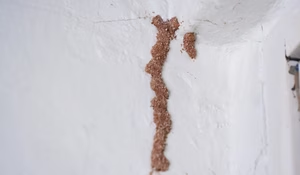
The termite inspector checks the foundation line, trim, and lower walls. They look for cracks, weak wood, and mud tubes. Mud tubes are a common sign of subterranean termites.
They also check around pipes, vents, and gaps near the ground.
Crawl Spaces and Basements
Crawl spaces and basements can hide termite activity. Inspectors check beams, posts, and supports for soft spots and hollow-sounding wood. They also look for damp areas that can increase risk.
Attics, Garages, and Add-ons
Drywood termites can live in dry wood above ground. That is why attics, garages, and add-ons matter. Inspectors may look for frass, which is another name for termite droppings. You might also see small piles that look like termite droppings.
Inside Wood and Trim
Inside the home, inspectors check baseboards, door frames, and window trim. They look for wood damage, small holes, and other signs of termite activity. If they suspect an active termite issue, they will explain next steps.
When to Schedule an Inspection Sooner
Do not wait if you spot warning signs.
Swarmers or Shed Wings
Winged termites or piles of wings near windows are common signs of termites. Book a termite inspection right away. This can point to an active termite colony nearby.
Mud Tubes on Walls
Mud tubes on walls, slabs, or inside crawl spaces are a serious warning sign. They often mean active termite travel and should be checked fast.
Frass or Droppings
If you find frass or termite droppings that look like tiny pellets, do not ignore it. This can be one of the clearest signs of termite activity for drywood termites.
Soft or Hollow-sounding Wood
Wood that dents easily, sounds hollow, or appears warped can indicate termite damage. Early detection here can help limit costly damage.
Schedule a Termite Inspection in California
A simple schedule can protect your home and budget. Official Pest Prevention is a local pest control company providing termite inspection services throughout California. We also offer termite control and termite treatment when needed, based on your specific needs.
We provide professional pest control services for homes and commercial properties, too. If you want a free quote, contact Official Pest Prevention and ask to schedule your termite inspection.
Key Takeaways
Most homes need an annual termite inspection, but high-risk areas may need frequent inspections. Watch for mud tubes, frass, termite droppings, and hollow-sounding wood. Early detection helps prevent termite damage and costly repairs. Contact Official Pest Prevention for a free quote and a clear termite inspection plan.
FAQs
How often should I schedule regular termite inspections?
Most homes do well with an annual termite inspection. If you have a past termite infestation, moisture issues, or you live in high-risk areas, plan on frequent inspections for better early detection.
What are signs of termite activity between visits?
Look for mud tubes, frass, termite droppings, and hollow-sounding wood. You may also see wings near windows. These signs of termite activity are reasons to book a termite inspection sooner.
Can termite inspections help with other pest control needs?
Yes. During a pest inspection, pest control professionals may spot other pest problems. If you need broader pest control, your pest control provider can suggest pest control solutions that fit your home.