You notice a strange smell when you walk into the kitchen late at night. At first, you think it is leftover food or trash. The scent stays, and it feels unusual.
If you are wondering what mouse pee smells like, you are not alone. Many homeowners ask this once mice enter their home.
For many homeowners, the first sign of mice is not seeing them. It is often a smell, a sound, or minor changes around the house. Mice are active at night, which means they hide during the day and move around after dark.
If you live in California, especially near Sacramento or Fresno, mice often move indoors when temperatures drop. Spotting the signs early helps stop a small mouse problem from growing and shows when professional mice control is needed.
Key Takeaways
- A strong, musky odor often answers the question of what mouse pee smells like inside a home.
- Mouse droppings, scratching noises, and nesting materials usually show up together.
- Attics, basements, and crawl spaces are common nesting areas for mice.
- Early mouse control helps reduce health risks and damage to your home.
Video: Mice 101 – Mice Species Fast Facts and Information
This video breaks down common mouse species, their habits, and why they adapt so well to homes. It explains where mice hide, what attracts them, and how quickly a small pest infestation can grow if left untreated.
Sign 1: A Strong, Musky Odor That Will Not Go Away
One of the clearest signs of mice is smell. Homeowners often ask what mouse pee smells like because it doesn’t match typical household odors.
Mouse urine smells sharp and ammonia-like at first. The scent becomes musky as it builds up. This urine smell often settles near baseboards, inside cabinets, or along walls where mice move.
Over time, the unpleasant odor grows stronger as urine and feces soak into wood, insulation, and drywall. If the smell suddenly gets worse, a dead mouse may be nearby. This type of smell does not fade without removal and proper cleaning.
Sign 2: Mouse Droppings And Feces Around Your Home
After smell, droppings are often the next sign. Mouse droppings look like small, dark grains of rice. You usually find them near food, inside drawers, or along walls.
Fresh droppings look shiny and soft. Older droppings turn dry and crumbly. Finding droppings under sinks, behind appliances, or in pantries points to active mice. Since mice urinate often, droppings usually appear in the same areas as urine.
Because droppings can spread bacteria, clean them carefully. Wear gloves, use disinfectant, and avoid sweeping or vacuuming dry droppings to limit the release of airborne particles linked to hantavirus.
Sign 3: Scratching Noises And Squeaking At Night
Mice are active at night. Many homeowners hear scratching inside walls, ceilings, or floors once the house becomes quiet. These sounds often come from attics, crawl spaces, or inside walls.
You may also hear faint squeaking near nesting areas. The noise often grows louder as more mice move in. If you hear regular movement at night, mouse nests are likely nearby. Waiting too long allows mice to chew wiring, insulation, and stored items.
Sign 4: Shredded Nesting Materials In Hidden Areas
Mice build nests using soft materials they find around the home. Paper towels, insulation, fabric, cardboard, and stored paper all work well.
You may find nesting materials behind appliances, inside storage boxes, or in attics. Basements, crawl spaces, garages, and unused closets are common nesting spots. Once nests appear, mice often begin reproducing quickly.
Removing nests alone does not fix the problem. Mice rebuild nearby unless you seal entry points and remove active mice.
Sign 5: Grease Marks And Entry Points Along Walls
As mice travel the same paths each night, they leave greasy smudges along walls and baseboards. These marks come from oil and dirt on their fur and often appear near entry points.
Small gaps around doors, vents, pipes, and foundations allow mice inside. In many California homes, worn seals and older construction make access easy.
Sealing entry points is part of mice exclusion, but it only works after you remove active mice. Otherwise, you risk trapping them inside.
Sign 6: Chewed Food Packaging And Missing Food
Mice search for food constantly. Chewed cereal boxes, torn pet food bags, and gnawed containers are clear signs of activity. Mice often hide food near their nests, so missing items may not show right away.
Over time, food contamination becomes a concern as urine and droppings spread bacteria. When food damage, droppings, and odor appear, a mouse problem is already active.
Health Risks Associated With Mice
Mice pose health risks beyond discomfort. Exposure to urine, droppings, and nesting areas raises the risk of hantavirus and other illnesses. Contaminated surfaces also pose a threat to children and pets.
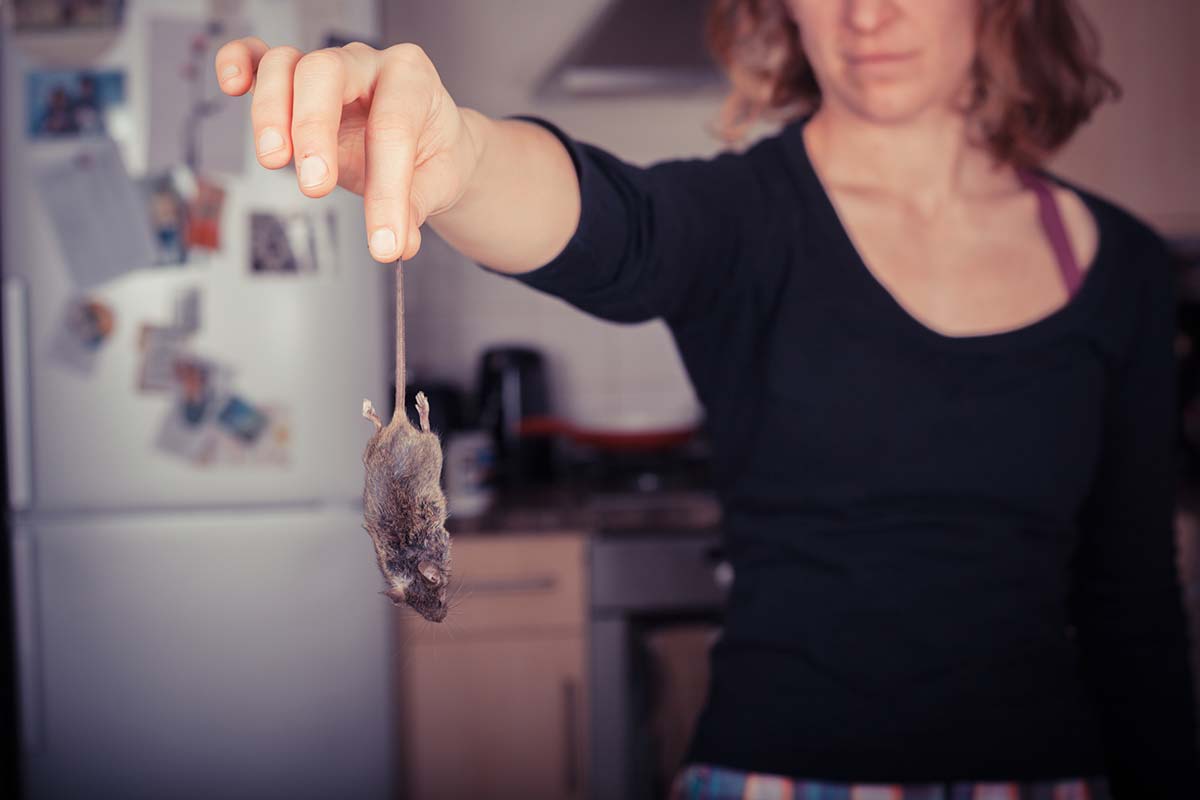
Dead mice hidden in walls or attics create ongoing odor problems and attract other pests. Ignoring a mouse issue can lead to a larger pest problem.
What To Do Next If You Suspect Mice
Once you notice the signs, act quickly. Basic cleaning may help temporarily, but it does not get rid of mice. Effective mouse control includes finding nests, sealing entry points, and removing active rodents.
A pest control professional understands mouse behavior and knows where to look first. A professional pest control service also provides prevention tips for California homes and businesses, reducing future risk.
We provide rodent control solutions tailored to local conditions. Our approach focuses on long-term results, not short-term fixes.
Making The Right Choice For Your Home
When mice settle in, the problem often grows quietly. Taking action sooner rather than later helps avoid added cleanup, repairs, and disruption to daily life.
Working with a professional allows you to address the situation thoroughly and correctly. At Official Pest Prevention, we offer solutions that reduce the risk of repeat issues.
If you are concerned about mice in your home, contact us today to schedule an inspection and take the next step forward.
FAQs
What does mouse pee smell like inside a house?
Mouse pee smells sharp and ammonia-like at first. Over time, it becomes musky and stronger, especially near baseboards, cabinets, and nesting areas where mouse urine builds up.
Can mice live in attics and basements?
Yes, mice commonly live in attics, basements, and crawl spaces. These areas provide shelter, warmth, and easy access to nesting materials and food sources.
Should I call a pest control service for mice?
Yes, a pest control service addresses active mice, seals entry points, and reduces health risks. DIY methods rarely stop a mouse infestation in the long term.