Types Of Ticks in California can create costly problems when early signs are missed. Learn what to spot and when to call Official Pest Prevention.
Key Takeaways About Ticks in California
Tick types found across California
California has 48 tick species, but a few matter most around homes. Identification guides your next steps.
- California is home to multiple tick species, and learning to tell them apart helps you respond quickly when you find one on yourself, a family member, or a pet.
- Some tick species in California can carry tick-borne illnesses, so proper identification matters for understanding potential health concerns.
- Ticks move through several life stages, and knowing which stages pose the greatest concern can guide your prevention efforts around your home and yard.
- If you notice ticks on your property, contact Official Pest Prevention to request a quote and discuss next steps for your situation.
How to Identify Common Ticks in California
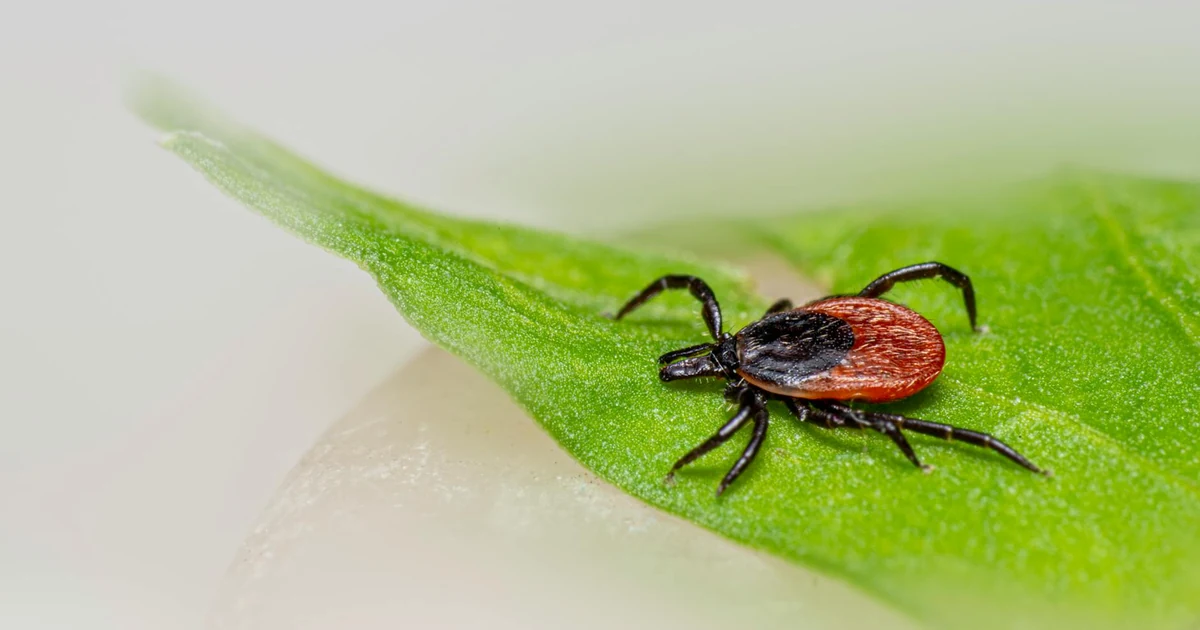
California is home to 48 established tick species, so telling them apart matters. According to UC IPM, the western blacklegged tick is the most widely distributed and abundant of those 48 species. Another tick you may encounter around your home is the brown dog tick, which can persist indoors and outdoors for months without feeding. Knowing which type you are dealing with helps you decide on next steps.
How to Tell Different Tick Types Apart in California
Of the 48 tick species in the state, six attach to humans with some regularity. However, only nymphs and adult females of the western blacklegged tick, Ixodes pacificus, transmit Borrelia burgdorferi to people. Globally, four hard tick species in the genus Ixodes serve as primary vectors of Borrelia burgdorferi or closely related spirochetes, and the western blacklegged tick is California’s representative of that group.
Size and life stage also matter for identification. Nymphs are much smaller than adults, making them harder to notice on skin or clothing. When you find a tick, note its size, color, and where it was attached to help a professional confirm the species.
How to Spot Tick Activity Inside Your California Home
Most ticks prefer outdoor environments, but the brown dog tick can establish itself indoors. Brown dog tick larvae can survive off a host for several months, and adult females can survive over a year between blood meals. Finding even a single brown dog tick inside could point to a longer-term presence you have not yet noticed.
Check your pets regularly, especially after they spend time outside. Ticks attached to dogs or cats are often the first sign of indoor activity.
Where Tick Activity Shows Up Around California Homes
The western blacklegged tick is widespread across the state, so activity can appear in many types of outdoor settings around your property. Pay attention to areas where you, your family, or your pets transition between landscaped and less-maintained ground. Ticks wait on vegetation and latch on as a host passes by.
Exterior Entry Points Ticks Use Around California Homes
Ticks typically arrive on a host rather than crawling long distances on their own. Pets moving in and out of the house are the most common pathway. Because brown dog tick adults can survive extended periods without a blood meal, they may persist near doorways and covered areas long after the host has moved on.
If you are finding ticks on your property or inside your home, contact Official Pest Prevention for a quote. Our local team serves homeowners in Fresno, Elk Grove, West Sacramento, Stockton, Modesto, and surrounding California communities.
Why Tick Problems Develop in California
Understanding why ticks show up near your home starts with knowing where they live, what draws them in, and how they reach your yard. Below is a closer look at the conditions that bring different types of ticks closer to California properties.
Outdoor Areas Where Ticks Thrive Around California Homes
Western blacklegged tick nymphs are most plentiful in dense woodlands or forests that contain oak, Pacific madrone, or Douglas fir trees, as UC IPM notes. If your property borders or includes any of these tree types, ticks may already be present in the surrounding leaf litter and ground cover.
Properties that back up to wooded or forested areas give ticks a ready habitat just steps from your lawn, deck, and doorways.
Food and Shelter That Attract Ticks Around California Homes
Ticks depend on vertebrate hosts for blood meals. Female western blacklegged ticks feed on hosts to complete their life cycle. Male western blacklegged ticks seek vertebrate hosts to locate receptive females for mating. Any wildlife visiting your yard can carry ticks onto your property.
Dense vegetation provides the humid, shaded shelter ticks need between feedings. Yards with thick ground cover next to wooded areas create conditions where ticks can wait for a passing host.
How Ticks Move Around California Homes
Western blacklegged ticks display seasonal activity patterns that vary across the state. Activity in central and southern California can follow a truncated seasonal pattern compared to other regions. This means you may encounter ticks during specific windows tied to local conditions rather than a single statewide season.
Official Pest Prevention recommends watching for fleas and ticks from April through October, so staying alert during those months helps you catch activity early.
Trails and Entry Points Ticks Use in California
Ticks do not fly or jump. They wait on vegetation along paths used by wildlife and people. Walking trails, garden borders, and edges where your lawn meets wooded or forested areas are common contact zones.
When you, your family, or pets brush against vegetation in these transition areas, ticks can latch on and ride indoors. If you notice tick activity, contact Official Pest Prevention for a quote.
Risks From Ticks in California
Ticks found in California can pose concerns that go beyond a simple bite. Understanding the risks tied to different types of ticks helps you decide when to act and when to call in a professional for an inspection.
Health Risks Linked to Ticks in California
The western blacklegged tick’s nymphal stage is particularly relevant to Lyme disease risk. Nymphs are small and easy to overlook, which can allow them to remain attached longer. Early awareness of this life stage can help you take prompt action if you find a tick on yourself, a family member, or a pet.
Property Risks From Ticks in California
Ticks themselves do not cause structural or property damage in the way termites or rodents do. They do not bore into wood, chew wiring, or weaken building materials. The primary concern with ticks on your property is the health risk they present to people and animals rather than harm to the structure itself.
Tick Activity Near Food Areas in California Homes
Ticks are not drawn to kitchens, pantries, or stored food. Unlike some household pests, they do not seek out food preparation areas. Their activity near your home is driven by the presence of hosts, not food sources. If you notice a tick indoors, it was most likely carried inside on a person or pet.
When to Look Closer at Tick Activity in California
If you spend time outdoors or have pets that roam through yards and natural areas, regular tick checks are worth building into your routine. The nymph stage is especially easy to miss, so careful inspection of skin, hair, and pet fur matters.
When you notice ticks on your property week after week, it may be time to bring in a professional. Official Pest Prevention serves homeowners in Fresno, Elk Grove, Stockton, Modesto, and other California communities. Contact us to request a quote and discuss your situation.
Professional Pest Control for Ticks in California
Tick activity in California can span much of the year, making ongoing awareness and professional support a practical step for homeowners. Because different types of ticks follow distinct seasonal patterns, a structured approach to prevention, inspection, and treatment helps keep your property and family protected.
How to Reduce Tick Attractants Around California Homes
Keeping your yard well maintained is one of the first steps. Trim tall grass, clear leaf litter, and reduce overgrown vegetation near walkways, play areas, and the perimeter of your home. These adjustments limit the shaded, humid conditions ticks prefer.
When spending time outdoors, inspect yourself and your pets afterward. According to UC IPM, prompt removal of infected ticks can prevent Lyme disease and other tick-borne illnesses. The sooner a tick is found and removed, the lower the risk of disease transmission.
Why Tick Control in California Starts With Inspection
In northwestern California, Ixodes pacificus nymphs can be found from January through October in different localities, with peak abundance in mid- to late spring. Lyme disease cases among California residents with no travel history peak from May to July, following the highest nymph abundance from April to June. This extended window means a single check in summer is not enough.
A property inspection identifies the areas where ticks are most likely to wait for a host. Inspectors look at vegetation borders, ground cover, and zones where wildlife may travel. Pinpointing these hotspots allows treatment to be focused where it matters most.
What to Expect During Professional Tick Treatment in California
Official Pest Prevention provides local technicians and customer support across service areas including Fresno, Elk Grove, Stockton, Modesto, and several other California communities. When you schedule a visit, a technician assesses your property and identifies conditions that support tick populations.
The technician directs treatment at the specific areas identified during inspection. Because tick activity can stretch across many months, a single application may not address the full season. Your technician can recommend a timeline suited to your property. Contact Official Pest Prevention for a quote.
What to Expect From a Tick Control Plan in California
A well-structured tick control plan accounts for the long activity window of California tick species. A plan covering spring through early fall aligns with the period of greatest concern. Rocky Mountain spotted fever, carried by other tick types, can also pose serious health risks without prompt and correct treatment.
Your plan should combine property management, regular inspections, and targeted treatments during peak months. Official Pest Prevention works with homeowners to build a schedule that fits your yard and your family’s outdoor habits. Reach out to get started with a local technician in your area.
Bottom Line on Ticks in California
California is home to dozens of tick species, and knowing which ones you may encounter around your property helps you take the right next steps. The western blacklegged tick and the brown dog tick are among the species homeowners should be aware of, since each carries distinct risks. Learning to recognize tick life stages, understanding where they tend to gather, and removing them without delay all reduce the chance of tick-borne illness. If you are seeing ticks on your property or pets, Official Pest Prevention can help.
Contact our local team to request a quote for your home.
Frequently Asked Questions About Ticks in California
How Many Tick Species Are Found in California?
California is home to dozens of established tick species, though only a handful attach to humans with any regularity. Identifying the species on your property matters because different ticks carry different diseases.
Can Ticks Survive Indoors?
Some species can persist inside homes. The brown dog tick is especially adapted to indoor survival, with immature stages lasting months and adults potentially lasting even longer without a host. Regular inspection of pet resting areas and prompt treatment can help reduce indoor populations.
Where Are Ticks Most Likely to Be Found on My Property?
Ticks favor areas with dense vegetation. Wooded habitats that include oak or similar tree cover tend to support higher tick populations. Keeping vegetation trimmed and reducing leaf litter near your home can make your yard less inviting to ticks.
What Should I Do If I Find a Tick Attached to My Skin?
Remove the tick as soon as possible using fine-tipped tweezers. Prompt removal can help prevent Lyme disease and other tick-borne illnesses. Save the tick in a sealed container in case identification is needed later, and monitor for any symptoms in the following weeks.
Our methodology: how we research pest control topics
Every Official Pest Prevention article follows the same standard we hold our service work to: clear, accurate, and grounded in what actually works on a real Northern California home. Homeowners across the Sacramento metro and Bay Area communities count on us for honest pest information they can act on, and we treat the writing the same way.
We build our content from a combination of government guidance, peer-reviewed research, and the patterns our technicians see across thousands of homes in our service area. Here is how we approach each article:
Studying pest behavior We start with how each pest actually lives — where it nests, how it spreads, and what conditions support it. Northern California’s seasonal rain and dry cycles change pest pressure in ways that matter for treatment, and getting the biology right is what tells us what will and will not work.
Reviewing health and home risks We review research on how each pest affects human health and home structures. Some pests are a nuisance. Others trigger allergies, carry bacteria, or cause structural damage. Knowing the actual risk helps homeowners decide how urgently to act.
Using Integrated Pest Management Our recommendations are grounded in Integrated Pest Management (IPM), the framework supported by the USDA and EPA. IPM combines monitoring, sanitation, exclusion, and targeted treatment to reduce pest populations while limiting unnecessary product use.
Prioritizing prevention and lasting protection A pest problem rarely ends with one treatment. We focus on the conditions that allow infestations to start in the first place — moisture, food sources, gaps around the home, harborage zones — because long-term control depends on changing the environment, not just treating the symptoms.
Citing peer-reviewed and government sources Whenever possible, we support our recommendations with peer-reviewed studies, university extension research, and guidance from agencies like the EPA, CDC, and USDA. Each source we cite is listed at the end of the article.
Why trust us
Official Pest Prevention is a local company with local technicians and local customer support. We serve homeowners across the Sacramento metro and into the Bay Area — Fresno, Elk Grove, West Sacramento, Yuba City, Stockton, Modesto, Pleasanton, Livermore, Hayward, and Fremont. When you call, you reach our team. When a technician shows up, they live and work in your area.
That same standard runs through our content. The information you read here reflects what our technicians see in the field, what current research supports, and what we have learned from servicing homes across our Northern California footprint.
Our credentials
- Service across the Sacramento metro and Bay Area — Fresno, Elk Grove, West Sacramento, Yuba City, Stockton, Modesto, Pleasanton, Livermore, Hayward, and Fremont
- Local technicians and local customer support
- Specialty services including dewebbing and power sprayer treatments
- General pest control, mosquito, rodent, termite, and seasonal pest programs
- Continuous review of research, regulations, and California-specific pest pressure
Sources and standards we reference
To keep our content accurate and up to date, we rely on established research and authority sources, including:
Environmental Protection Agency (EPA): Guidelines on product use, labeling, and approved applications.
Centers for Disease Control and Prevention (CDC): Public-health guidance on pests that affect human health, including mosquitoes, ticks, rodents, and cockroaches.
United States Department of Agriculture (USDA): Integrated Pest Management standards and pest biology research.
National Pest Management Association (NPMA): Industry standards, pest behavior research, and seasonal trend reporting.
University of California Cooperative Extension: Peer-reviewed, region-specific research on Northern California pest biology and control methods.
Peer-reviewed journals: Research published in entomology, public health, and environmental science journals to support specific claims about pest behavior, health risks, and treatment efficacy.
Article sources
The following sources were specifically referenced in the research and development of this article:
All information is accurate at the time of publication and is reviewed regularly to reflect current research and pest control standards.