It usually starts small. Maybe you notice a few tiny ants near the sink or one crawling across the counter while you make coffee. At first, it does not feel like a big deal. Still, an ant problem in a house situation rarely stays small, especially in California, where warm weather keeps ants active most of the year.
An ant problem in house settings often begins quietly. One ant along the baseboards or a light trail near a window may seem easy to ignore. In reality, those early signs almost always indicate an ant colony working behind the scenes, usually inside walls, under concrete, or just outside the foundation.
If you live anywhere in Northern California or the Central Valley, this probably sounds familiar. Changes in temperature, irrigation, and older construction give ants everything they need to move in fast. Knowing what to watch for makes all the difference before the situation turns into a full ant infestation.
Key Takeaways
- Early signs of an ant problem in house situations often appear before large numbers show up
- Different types of ants require different treatment approaches
- Food, moisture, and entry points drive most ant infestations
- Professional treatment stops recurring ant invasions more reliably than diy fixes
Video: Common Ant Species Explained
This short video breaks down 10 common types of ants you may run into around your home. It explains how different ant species behave, what they look like, and why proper identification matters when choosing the right treatment and prevention plan.
Why Seeing A Single Ant Indoors Matters
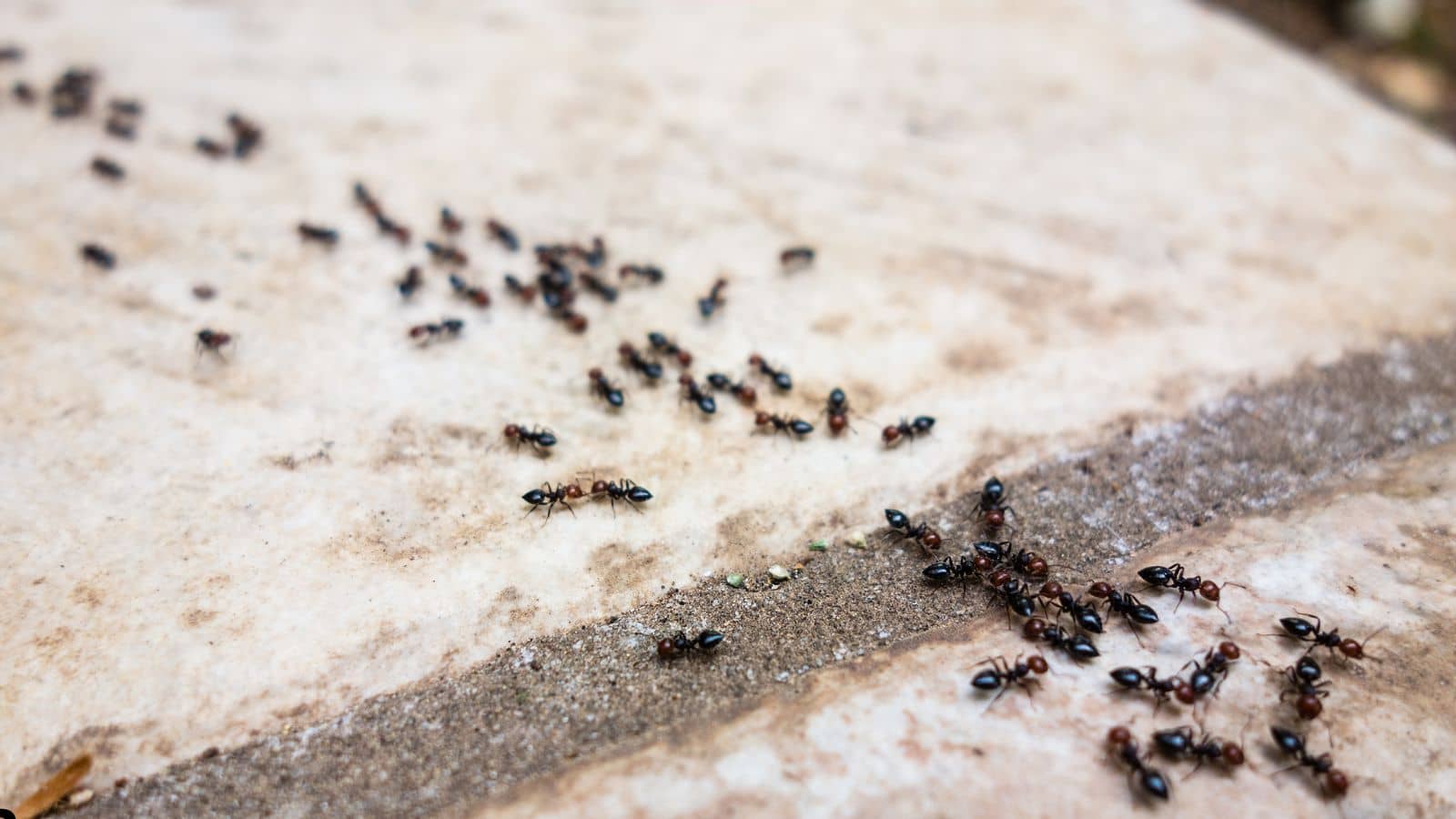
When you see a single ant inside, it is rarely alone. In most cases, that ant is a scout. Worker ants are sent out to look for a food source, and once they find one, they lay down a pheromone trail back to the ant colony. From there, things move quickly. What starts as one ant can turn into dozens following the same path within hours.
Ant Trails Along Walls And Baseboards
One of the most common signs homeowners notice is an ant trail running along baseboards or walls. Pavement ants and odorous house ants are especially known for this behavior. Once you can clearly see a trail, the ant infestation is already established, not just starting.
Ants Gathering Around Pet Food
Pet food is a huge attractant. Open pet food or unattended food bowls give ants a steady food source they can rely on. Even homes that stay clean can attract ants if pet food is left out overnight, especially when sugar ants or tiny ants are active.
Ants Entering Through Cracks And Crevices
Ants do not need much space to get inside. Small crevices, foundation gaps, and aging caulk around windows or doors all become easy entry points. Over time, ants memorize these access routes and use them repeatedly, especially during hot afternoons.
Ant Activity Near Windows And Doors
If ants keep showing up near window tracks or door frames, it usually points to nearby outdoor ant nests. Fire ants and pavement ants often use these areas as direct access routes. Once they establish a path, they tend to stick with it.
Small Dirt Piles Or Ant Nests Outside
Outdoors, small piles of dirt near sidewalks, patios, or foundations often signal ant nests. Fire ants and pavement ants commonly build in these areas. When nests sit close to the home, indoor ant invasions are rarely far behind.
Sawdust Or Wood Debris Indoors
Finding fine sawdust indoors raises a different concern. Carpenter ants push out wood shavings as they tunnel through damp or damaged wood. While they do not eat wood like termites, carpenter ants can still cause structural damage if left unchecked.
Ants Showing Up In Bathrooms Or Laundry Rooms
Kitchens are not the only target. Bathrooms and laundry rooms often attract ants because of moisture. Odorous house ants are commonly found near sinks, drains, and small leaks, especially during dry seasons when water becomes harder to find outdoors.
Ants Keep Coming Back After You Kill Ants
Spraying ants may feel productive, but it usually only removes the ants you can see. When you kill ants without addressing the ant colony, worker ants simply replace them. In some cases, improper treatment causes colonies to split, worsening the ant problem.
Ant Baits That Do Not Work As Expected
Ant baits can be helpful, but only when matched to the correct ant species. Some ants prefer sugar, while others go after protein. Using the wrong ant baits often leads to frustration when ants ignore them or spread even further.
Strong Odor When Ants Are Crushed
If crushed ants give off a strong smell, you are likely dealing with odorous house ants. This scent indicates that the ant infestation is well-established and not limited to a small group.
Seasonal Ant Activity In The Same Spots
When ants appear in the same areas year after year, it usually means outdoor ant nests survived previous seasons. Seasonal patterns suggest that entry points and nests were never fully addressed.
Ants Mistaken For Termites Or Wasps
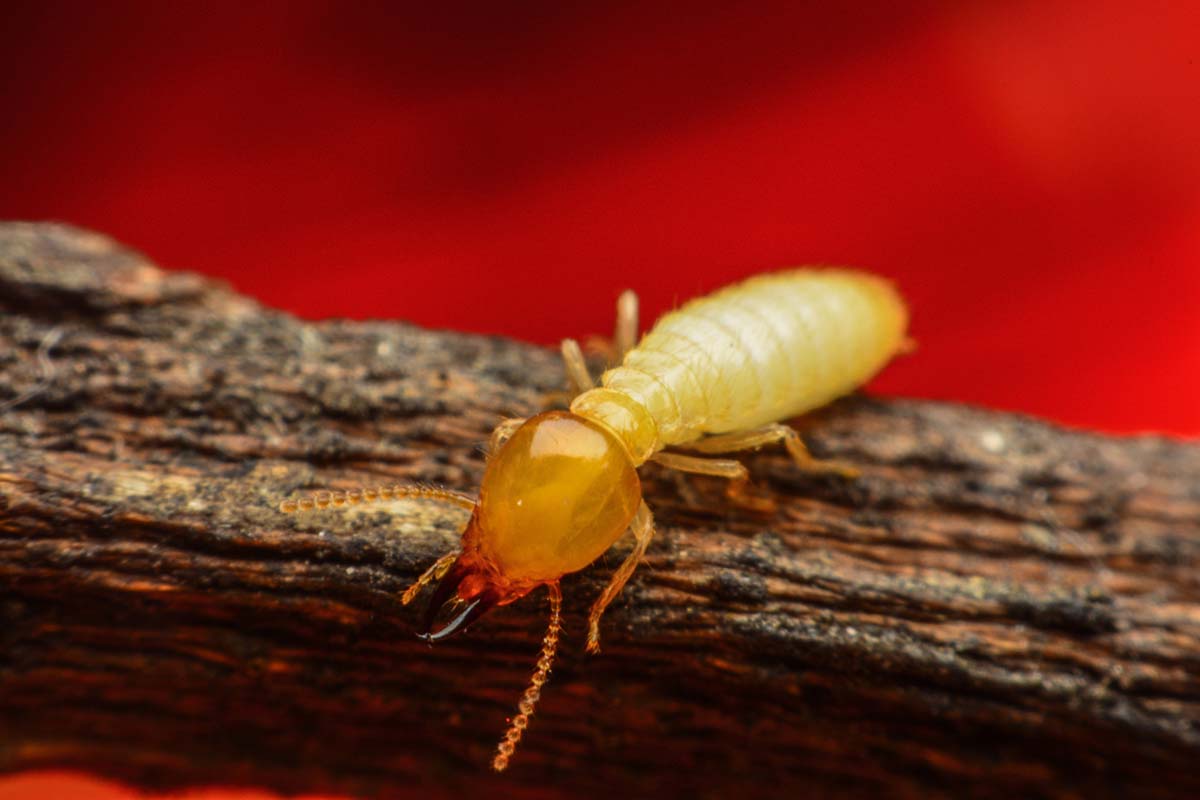
Winged ants often get mistaken for termites. While both swarm, ants have bent antennae and narrow waists. Confusing the two can delay proper treatment, especially when termites are a concern.
Common Ant Species Found In California Homes
California homes are home to many different types of ants. Black ants, pavement ants, sugar ants, fire ants, pharaoh ants, odorous house ants, and carpenter ants all behave differently. Identifying the correct ant species helps determine whether diy efforts will help or fall short.
Why Ants Keep Coming Back Indoors
Ants return because something inside or around the home attracts ants. Crumbs, moisture, unsealed containers, and easy access points all contribute. Even missing one step during cleanup can restart the cycle.
Diy Ant Control And Its Limits
Many homeowners try borax, diatomaceous earth, peppermint, essential oils, or vinegar sprays. While these DIY methods may temporarily reduce activity, they rarely eliminate the entire ant colony. Misused insecticides or pesticides often cause ant nests to relocate rather than disappear.
When Professional Pest Control Is The Smarter Move
Once ants appear daily or in multiple rooms, professional pest control becomes the safer option. An experienced exterminator identifies the ant species, locates nests, and applies targeted treatments designed to stop reproduction, not just surface activity.
This is especially true for homeowners searching for ant control in Fresno, CA, or ant control in Stockton, CA, where ant pressure stays high most of the year. Local experience makes a real difference.
Official Pest Prevention focuses on long-term prevention, not quick fixes. Their approach targets nests, entry points, and future ant invasions, helping homeowners finally get rid of carpenter ants for good instead of dealing with repeat issues.
Making The Right Ant Control Choice For Your Home
An ant problem in a house situation rarely resolves on its own. The longer ants remain active, the larger the ant colony grows and the harder it becomes to eliminate. Early signs give you a chance to act before frustration and repeated treatments stack up.
By recognizing signs of an ant infestation and addressing food and moisture issues early, you reduce the risk. When ants keep returning, professional pest control services offer the most consistent and lasting solution.
If ants keep showing up despite your efforts, reaching out to Official Pest Prevention puts a clear plan in place. With proven methods and local expertise, solving an ant problem in house settings becomes far less stressful and far more effective.
FAQs
How fast can an ant infestation grow inside a home?
Once ants locate a steady food source, populations can grow quickly. In warm California conditions, an ant infestation can spread rapidly within weeks, especially if the colony remains undisturbed.
Are ants dangerous to people or pets?
Most ants are more of a nuisance than a danger. However, fire ants can sting, carpenter ants can cause structural damage, and all ants can contaminate food and surfaces.
Should you try DIY methods before calling an exterminator?
Diy methods may help with very minor issues. When ants return repeatedly or spread across rooms, professional treatment is usually needed to address hidden nests and prevent reinfestation.