Ticks can turn a normal afternoon outside into a real headache, especially for homeowners with kids or pets. In Stockton and across San Joaquin County, shaded, overgrown areas can support tick populations year-round, especially in the mild Northern California climate. Once ticks settle in, a small problem can grow if conditions stay favorable.
Tick prevention can be simple. Focus on where ticks hide, protect yourself outdoors, and act fast after a tick bite.
For ongoing issues, professional tick control in Stockton can help manage tick populations around your home. These steps help reduce the risk of tick-borne diseases such as Lyme disease, Rocky Mountain spotted fever, and anaplasmosis.
Key Takeaways
- Ticks hide in tall grass, leaf litter, shrubs, and pet areas.
- Use repellent, wear long-sleeved clothing, and do tick checks after outdoor time.
- Fast tick removal with tweezers helps after a tick bite.
- If ticks keep returning, pest management and exterminators can help reduce tick populations and improve tick prevention.
Where Ticks Hide in Yards
Ticks stay in cool, protected places. They do not fly or jump. They cling to grass or plants and attach when you pass by.
Tall Grass and Weedy Edges
Tall grass is a common hiding spot for adult ticks and nymphs. It makes it easier for ticks to reach shoes and pant legs. For this reason, tick checks matter after outdoor activity.
In California, common tick species include deer ticks and the western black-legged tick. You may also hear about the American dog tick.
Leaf Piles, Mulch, and Wood Stacks
Leaf litter holds moisture and helps ticks stay active. Thick mulch and wood piles on bare soil can shelter larvae. These areas support the tick life cycle and can increase tick populations over time.
You may also hear about the Pacific coast tick and the brown dog tick. Keep yard debris under control and pet areas clean to reduce risk.
Shrubs, Groundcover, and Fence Lines
If your property borders wooded areas, canals, or open lots, those edges often have more ticks.
Shaded yard edges near wooded areas are common across Northern California, including Sacramento and the Bay Area. Parts of the East Bay, Oakland, and San Francisco also have shaded edges where ticks hide.
Pet Areas and Dog Runs
Ticks may hide near pet resting areas and nearby cracks. Fleas may be in the same areas, so check for both.
How to Avoid Bites Outdoors
Simple habits can improve tick prevention.
Dress to Block Ticks
When you garden or walk near tall grass, wear long-sleeved shirts and long pants. Tuck pants into socks in wooded areas or overgrown spots. Light-colored clothes help you spot ticks early.
Use Repellent Correctly
Use insect repellent when you may come into contact with grass, shrubs, or weeds. Many people choose a repellent with DEET. Follow the label and apply to ankles, shoes, and clothing edges.
The Centers for Disease Control and Prevention (CDC) shares guidance on tick prevention and the use of insect repellent. Repellent works best with yard care and tick checks.
Do Tick Checks and Remove Ticks Fast
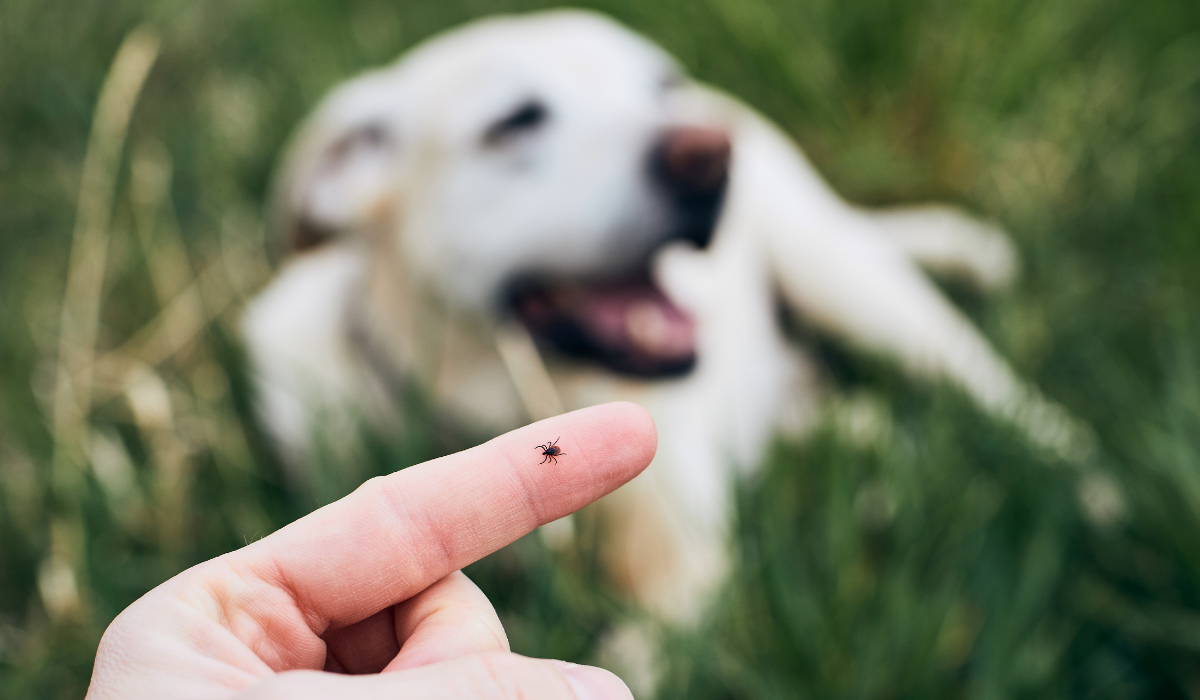
After being outside, check kids, adults, and pets for ticks. Look behind knees, around the waist, under arms, and near the hairline.
If you find a tick, remove it right away.
Use tweezers to grab the tick near the skin and pull it straight out. Clean the area after removal. Prompt removal can reduce the risk of tick-borne diseases such as Lyme disease and anaplasmosis.
Yard Changes That Reduce Tick Activity
These changes reduce tick populations and support long-term tick control.
Let In More Sunlight
Ticks dry out in the sun. Trim dense shrubs, cut back ground cover, and prune low branches so your yard dries out faster after watering. These steps help reduce ticks in shaded Stockton yards.
Create a Clean Border Near the Brush
A strip of gravel or open space helps limit tick movement between wooded areas and your yard.
Keep Routine Pest Management in Place
Routine pest management helps keep outdoor pests from building up. We offer pest control services that include tick control as part of a general plan, which can help when ticks and fleas overlap around pets.
When DIY Isn’t Enough
DIY steps help, but some signs mean it is time to call exterminators.
Ticks Keep Showing Up
If you keep finding ticks during tick checks, your yard may support a larger tick problem. Repeated sightings may mean ticks have built up on your property.
Pets Keep Bringing Ticks Indoors
If pets often pick up ticks, it may mean higher activity around your home. Homeowners often notice brown dog tick issues during these periods. Professional tick control can treat problem areas in your yard.
You Are Worried About Illness Risk
If someone has had a tick bite and you are worried about tick-borne illnesses, take the yard conditions seriously. Concerns can include Rocky Mountain spotted fever and Lyme disease. Lowering tick populations around your home reduces your risk of exposure.
Book Tick Control for Stockton Yards
If ticks keep coming back, professional help can address active areas and help manage tick populations on your property. At Official Pest Prevention, we provide pest control services in Stockton, with general pest control plans that include tick control.
Contact us today to schedule an inspection.
FAQs
What types of ticks are common in California yards?
Common types of ticks in California include the western blacklegged tick, deer ticks, American dog tick, brown dog tick, and Pacific coast tick. The types of ticks you see depend on shade, pets, and nearby wooded areas.
What should I do right after a tick bite?
Start removing ticks right away with tweezers. Pull straight out, clean the area, and watch for symptoms. If you feel sick, contact a healthcare provider. Quick removal can reduce the risk of tick-borne diseases such as anaplasmosis and Lyme disease.
When should I call pest control services for tick control?
Call pest control services if tick checks keep turning up ticks, pets often bring ticks inside, or you suspect an infestation. A pro can treat hot spots, help reduce tick populations, and support ongoing tick prevention.