If you live in Elk Grove, you’ve likely noticed how quickly mosquitoes appear after heavy rain. One day, your outdoor space feels fine, and soon after, you’re dealing with constant buzzing and mosquito bites.
Mosquitoes get worse after rain in Elk Grove because of water, temperature, and timing. Rainwater collects on your property, creating breeding sites, while warm Central Valley weather accelerates the mosquito life cycle. That mix helps mosquito populations grow within a few days.
Understanding how rain, standing water, and warm weather drive mosquito activity helps you manage mosquito problems and explains why pest control and mosquito control services focus on reducing activity and stopping new breeding.
Key Takeaways
- Rain creates standing water where female mosquitoes lay eggs and begin breeding.
- Mosquito populations increase quickly because warm weather speeds up their life cycle.
- Common items like gutters, birdbaths, and flower pots become breeding sites.
- Professional mosquito control targets adult mosquitoes and mosquito larvae to reduce mosquito infestations.
Why Mosquitoes Spike After Rain
Rainfall increases mosquito activity by creating the conditions mosquitoes need to reproduce. In Elk Grove neighborhoods, even short rainstorms can trigger a spike.
Standing Water Forms Instantly
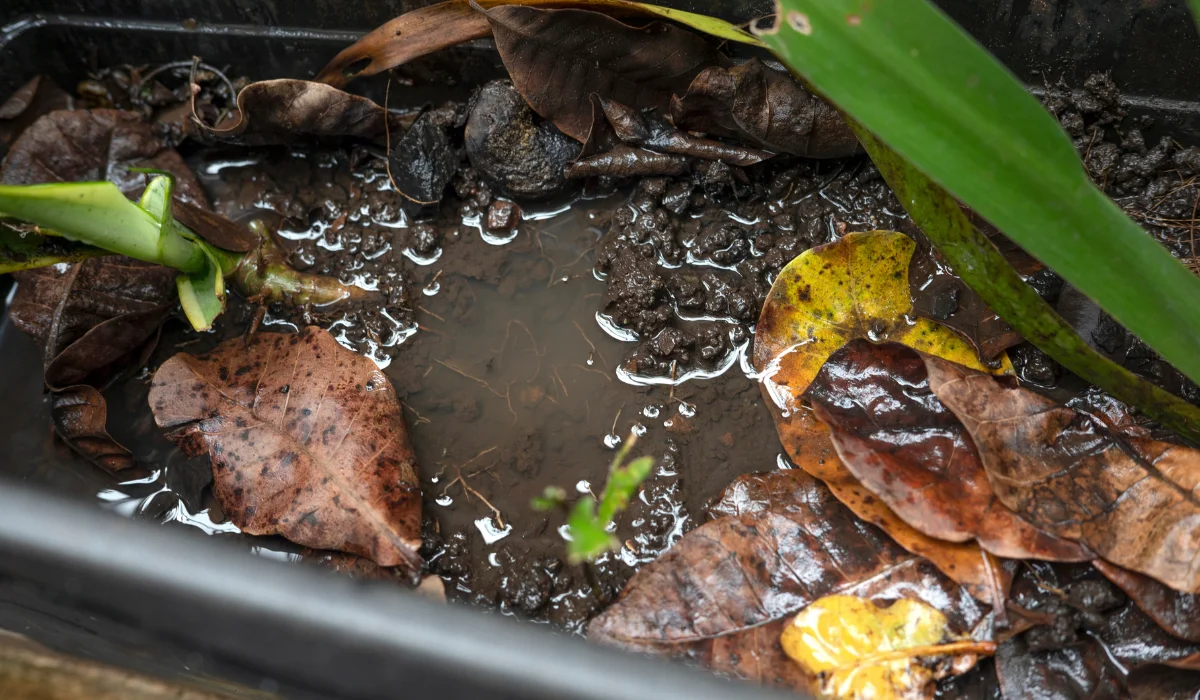
After heavy rain, standing water forms in puddles, low spots, and small containers across your property. Even small amounts of water, such as in a bottle cap or trash can lid, can support mosquito eggs.
Female mosquitoes seek stagnant water to lay eggs. Once they find it, mosquito breeding begins, and within a few days, larvae start developing, depending on temperature and water conditions.
Warm Temperatures Speed Up the Life Cycle
Elk Grove’s warm climate speeds up mosquito population growth after rainstorms. When temperatures remain high, mosquito eggs hatch faster and develop into adult mosquitoes more quickly.
This rapid cycle means mosquito problems can grow in under a week, depending on conditions. As adult mosquitoes emerge, activity in your yard increases, leading to more mosquito bites.
Rain Spreads Breeding Sites Across Properties
Raindrops push water into soil dips, landscaping edges, and debris, creating breeding areas that are easy to miss.
Instead of a single water source, you end up with multiple breeding grounds, making mosquito control more difficult without a consistent pest control plan.
What Keeps Them Around After the Storm
Rain starts the problem, but certain conditions allow mosquito populations to remain even after visible puddles disappear.
Moist Areas Hold Water Longer
Damp soil, shaded areas, and overwatered landscaping can hold moisture longer. These hidden water sources can support mosquito larvae even when surfaces appear dry.
In Elk Grove, irrigation systems can add to the issue by maintaining consistent moisture levels that support ongoing mosquito breeding.
Shelter Supports Adult Mosquitoes
Adult mosquitoes rest in shaded areas during the day. They often stay in bushes, along fences, and under decks or patio covers.
In the evening, mosquitoes fly out to feed, increasing the likelihood of mosquito bites in your outdoor space, even if you use a basic repellent.
Ongoing Water Sources Sustain Breeding
Certain water sources hold water after rainstorms. Birdbaths, clogged gutters, and containers such as old tires or trash can lids create long-term breeding sites.
Without mosquito control services, these areas continue to produce mosquitoes. Ongoing mosquito breeding in these areas is a common reason mosquito infestations persist throughout the mosquito season and, in some cases, cause problems in yards that stay damp year-round.
Where Rainwater Builds Up Around a Home
Knowing where rainwater collects helps homeowners find common breeding sites that contribute to mosquito problems.
Gutters and Clogged Gutters
Gutters are a common source of standing water when not maintained. Clogged gutters prevent proper drainage, creating ideal breeding sites for mosquito eggs and mosquito larvae.
Regular inspections help reduce these issues, and pest control services identify problem areas along rooflines and drainage systems.
Flower Pots and Small Containers
Flower pots, trays, birdbaths, and containers like old tires can collect stagnant water after rainstorms. These water sources often go unnoticed but can support ongoing mosquito breeding.
Birdbaths and Outdoor Features
Birdbaths are common in Elk Grove yards and can become breeding grounds if not properly maintained. Standing water lets mosquito eggs hatch and develop.
Other features, like fountains or decorative structures, can also hold stagnant water. Keeping these areas clean helps reduce mosquito problems.
Low Spots and Drainage Issues
Low spots in lawns and landscaping collect puddles after heavy rain. Poor drainage can lead to pools of water that remain for days, creating breeding areas.
Fixing these drainage issues is an important part of any mosquito treatment plan.
Schedule a Mosquito Inspection in Elk Grove
If you’re dealing with ongoing mosquito problems, professional mosquito control in Elk Grove helps reduce mosquito activity more effectively than temporary DIY methods. Treatments target adult mosquitoes and the areas where they breed to help reduce recurring mosquito activity.
At Official Pest Prevention, technicians inspect your property to identify standing water, breeding areas, and conditions that support mosquito activity. They apply targeted mosquito treatment and solutions that reduce mosquito populations over time.
If you’re ready to reduce mosquito activity in your yard, contact us to schedule a service.
FAQs
Why do mosquitoes increase after heavy rain?
Heavy rain creates standing water where female mosquitoes lay eggs. These breeding sites allow mosquito larvae to develop quickly, especially in Elk Grove’s warm weather. Within days, more mosquitoes appear, leading to more bites and activity.
How long do mosquitoes stay after rainstorms?
Mosquitoes can remain active for weeks after rainstorms if homeowners do not remove breeding sites. Ongoing water sources, such as gutters, birdbaths, and shaded areas, provide breeding grounds for new mosquitoes. Without mosquito control, this pattern can continue throughout mosquito season.
What is the best way to prevent mosquito breeding around my home?
An effective approach combines removing standing water and using professional pest control services. Removing puddles, flower pots, and clogged gutters reduces breeding areas, and while mosquito repellents offer short-term relief, targeted mosquito treatment is often needed to lower mosquito numbers.