When temperatures drop in Sacramento and Fresno, pests move indoors. Cold weather removes outdoor shelter and food. Your home becomes the next option. Winter pests look for warmth, water, and food sources. Once inside, they often stay active through the winter months. Many infestations start quietly and grow over time.
This winter pest checklist explains what to watch for indoors and how to stop pests early. Knowing the signs helps homeowners avoid damage and ongoing pest problems.
Key Takeaways
- Winter pests often enter California homes for warmth, leaving droppings, noises, insects, and damage in hidden indoor areas.
- Common winter pests include rodents, cockroaches, silverfish, spiders, termites, stink bugs, boxelder bugs, and wildlife indoors.
- Strong winter pest prevention relies on sealed entry points, door sweeps, proper food storage, clean gutters, and trimmed branches.
- Pest control services help identify hidden infestations and protect Sacramento and Fresno homes during the winter months.
Video: How Long Does It Take For Professional Pest Control To Work? – Insects and Invaders
This video explains how professional pest control works and how long results may take after treatment. It helps homeowners set clear expectations when winter pests move indoors and require professional help.
It also supports this winter pest checklist by showing why early action and proper treatment matter when pests are already inside.
Common Signs of Winter Pests to Watch for Indoors
Wintertime pests leave signs once they enter your home. These are common issues seen in California homes during colder months.
Droppings in Basements and Storage Areas
Droppings often signal rodent activity. You may find them in basements, garages, or storage areas. Sacramento homes with attached garages see this often in winter. Small droppings still matter. They usually mean pests are active nearby.
Large numbers suggest an infestation is already growing.
Cockroaches and Silverfish Near Moisture
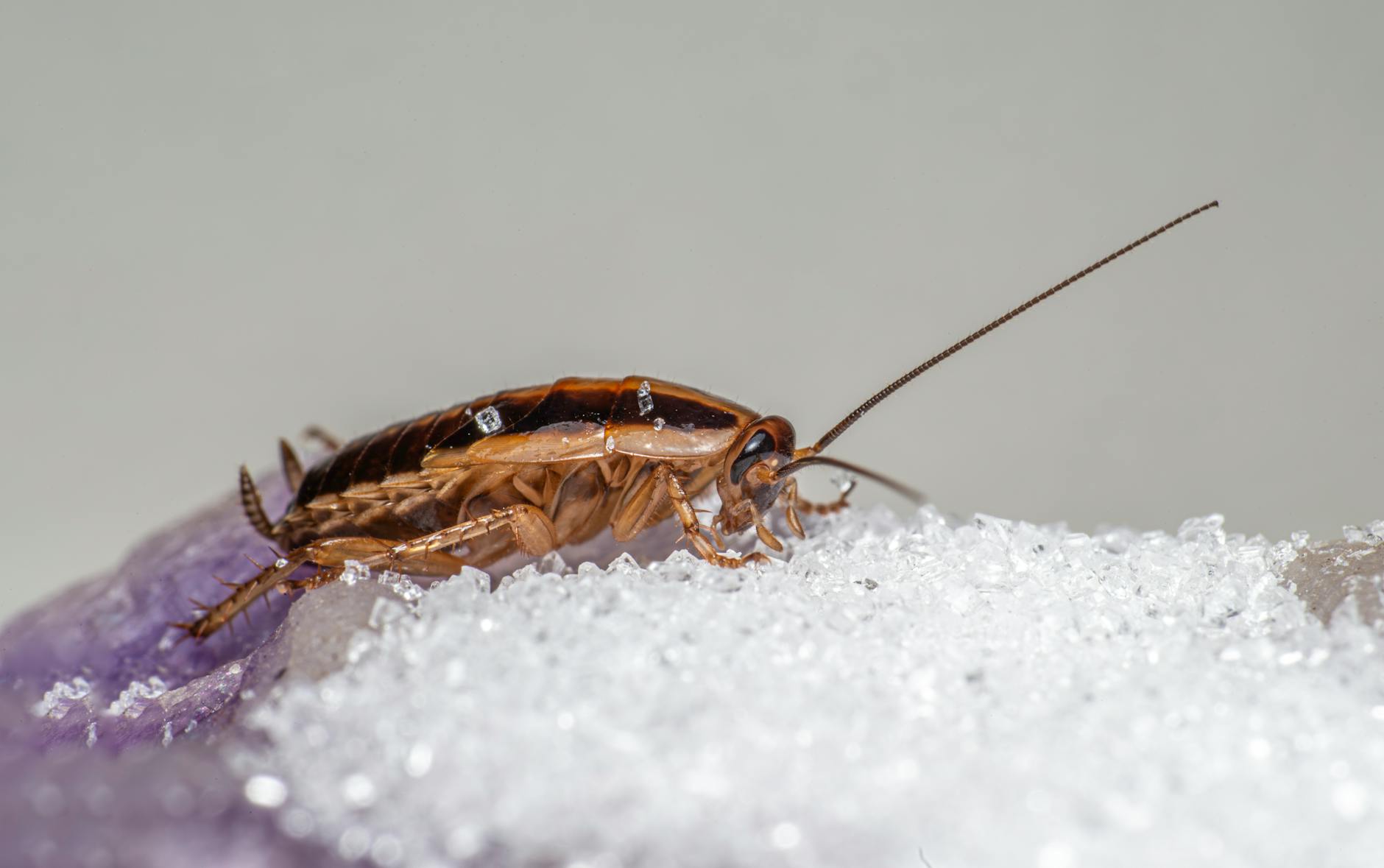
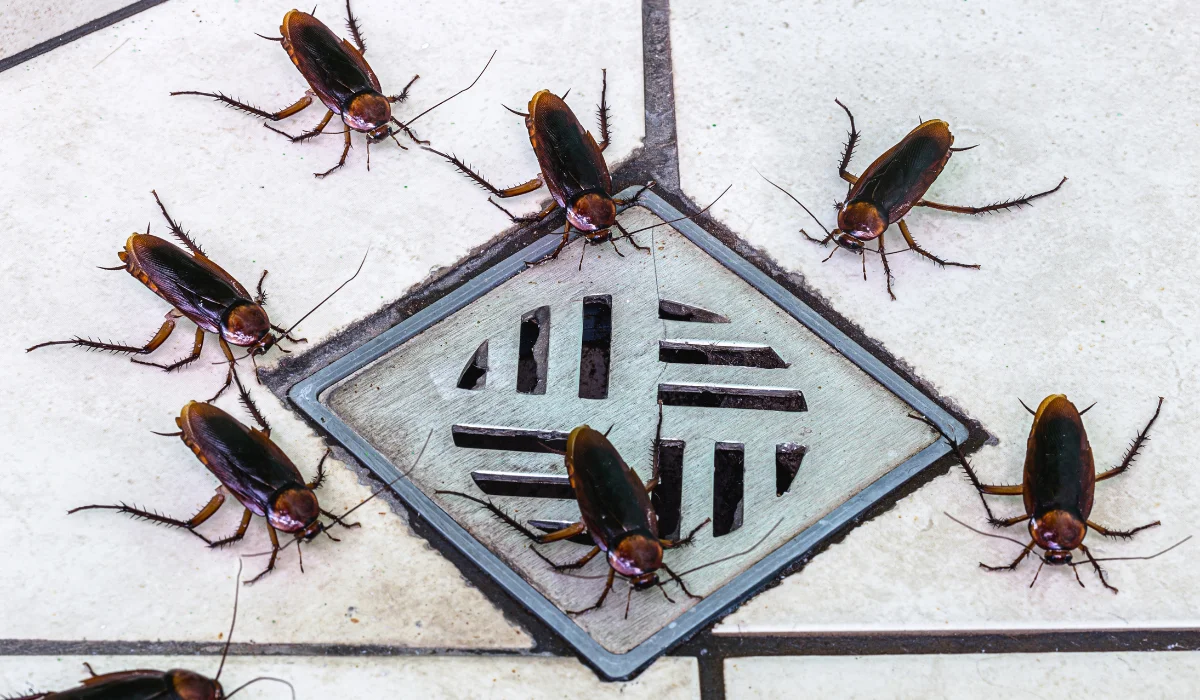
Cockroaches and silverfish move indoors during cold weather. They prefer damp areas like kitchens, bathrooms, and laundry rooms. Fresno homes with older plumbing are more likely to see this. Seeing one usually means more are hidden.
These pests remain active indoors all winter.
Stink Bugs and Boxelder Bugs Near Windows
Stink bugs and boxelder bugs enter homes to overwinter. They hide in walls, attics, and window frames. When temperatures shift, they appear indoors. They do not breed inside. University of California IPM even notes that they only overwinter indoors.
Still, large numbers can be stressful.
Their presence often points to gaps in the home’s exterior.
House Spiders and Brown Recluse Sightings
Spiders move indoors as outdoor insects disappear. Types such as house spiders are found in garages, attics, and storage areas. Brown recluse sightings need fast attention. They often appear during winter clean-up.
Increased spider activity usually means other pests are present.
Termites Active During Winter Months
Termites stay active year-round. During the winter months, they move deeper into warm structures. Many homeowners notice damage while checking crawl spaces or garages. Common signs include damaged wood or mud tubes.
These pests require termite control services to stop further damage.
Raccoons in Attics
Raccoons seek shelter during colder months. Attics provide warmth and safety. Noises, droppings, or torn insulation signal activity. Tree branches and nearby woodpiles increase risk.
These wildlife pests cause damage fast once inside.
How to Prevent Winter Pests From Getting Inside
Stopping unwanted guests starts with sealing access points. These steps support long-term pest prevention for California homeowners.
Seal Entry Points Around the Home’s Exterior
Small gaps allow pests inside during cold weather. Cracks around vents, siding, and pipes are common entry points. Use caulk to seal crevices. Steel wool helps block rodent access.
Check crawl spaces and the foundation after winter rain.
Add Door Sweeps and Weather Stripping
Exterior doors often let pests inside. Worn weather stripping leaves gaps near the ground. Door sweeps block insects and rodents. This step also helps with insulation. It supports year-round pest management.
Store Food Properly and Reduce Food Sources
Winter pests rely on indoor food.
Store food in sealed containers. Clean up crumbs and spills each day. Keep trash cans closed and away from exterior doors. Do not leave pet food out overnight.
Clean Gutters and Remove Outdoor Debris
Clogged gutters attract pests. Leaves hold moisture and insects.
Rodents use debris for cover near the home. Clean gutters during the winter months. Store woodpiles away from the structure.
Trim Tree Branches Near the Roof
Tree branches act as bridges for pests. Trim branches away from the roofline. This limits access to attics. This is important in older Sacramento neighborhoods.
Proper spacing helps pest prevention.
Work With a Pest Control Professional Service
Winter pests often stay hidden at first. Droppings, noise, or indoor insects are early warnings. Acting fast helps stop a larger infestation. But some pest problems continue despite prevention.
At Official Pest Prevention, we provide pest control services that help keep your home pest-free through winter and warmer months. If you are seeing signs of winter pests in your Sacramento or Fresno home, contact us today.
Want to keep pests out year-round?
Learn More →FAQs
What are the most common winter pests in California homes?
Common winter pests include cockroaches, silverfish, stink bugs, rodents, spiders, and termites. These pests enter homes during the winter months to find warmth and food.
Why do pests come inside during winter?
Cold weather limits outdoor shelter and food. Pests enter homes through access points to find a warm place to overwinter.
When should you call a pest control professional in winter?
Call a pest control professional if you see droppings, hear noise in the attic, or notice repeat pest activity. Winter infestations often need professional pest control services.