Fleas in California can create costly problems when early signs are missed. Learn what to spot and when to call Official Pest Prevention.
Key Takeaways About California Fleas
- Fleas in California can affect your home whether or not you have pets, since wild animals may carry them onto your property.
- Knowing how to spot fleas on your pets and in your living spaces is the first step toward addressing an infestation before it spreads through carpets, bedding, and furniture.
- Both indoor and outdoor treatment may be needed, and proper homeowner preparation helps the process work as intended.
- Official Pest Prevention offers flea treatment for California homeowners that includes a free two-week follow-up to address any newly hatched fleas.
How to Identify California Fleas
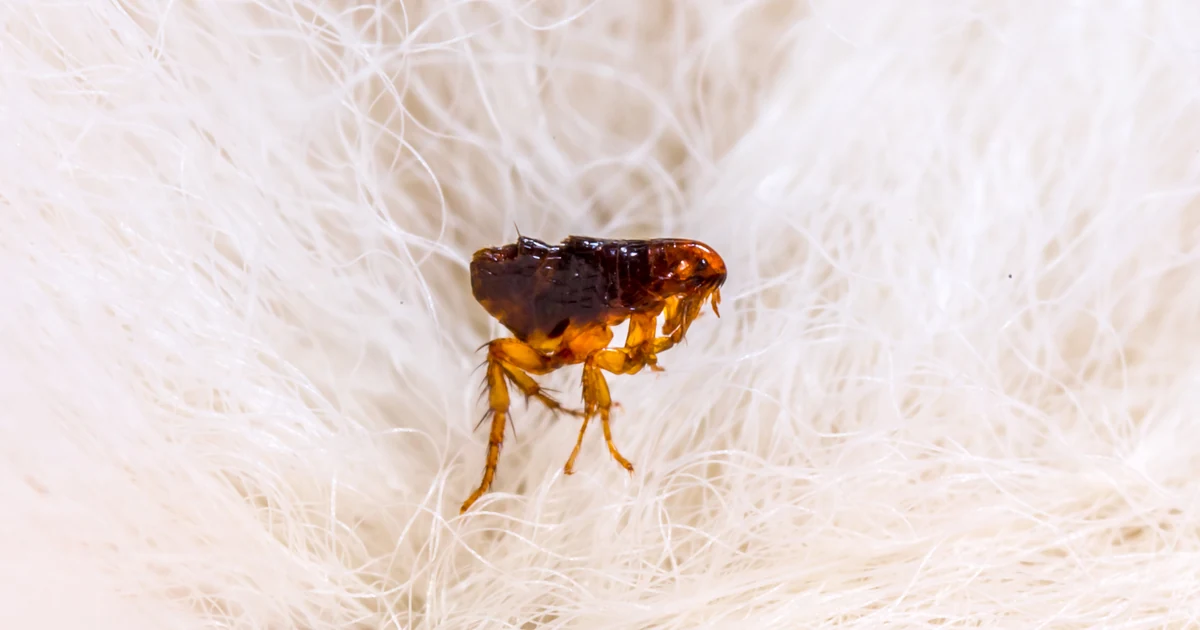
Knowing what fleas look like and where they tend to show up helps you act quickly. Fleas are small, wingless insects roughly 1/8 inch long with brown to black coloring and strong jumping legs, according to Texas A&M AgriLife Extension. Spotting them early on your pets or inside your home is the first step toward getting the situation under control.
How to Tell Flea Types Apart in California
Adult cat fleas feed on dogs, cats, and a variety of furred animals. When checking your pet’s coat, look for tiny dark insects that dart through the fur. Their lack of wings and powerful hind legs set them apart from other small household pests you might encounter.
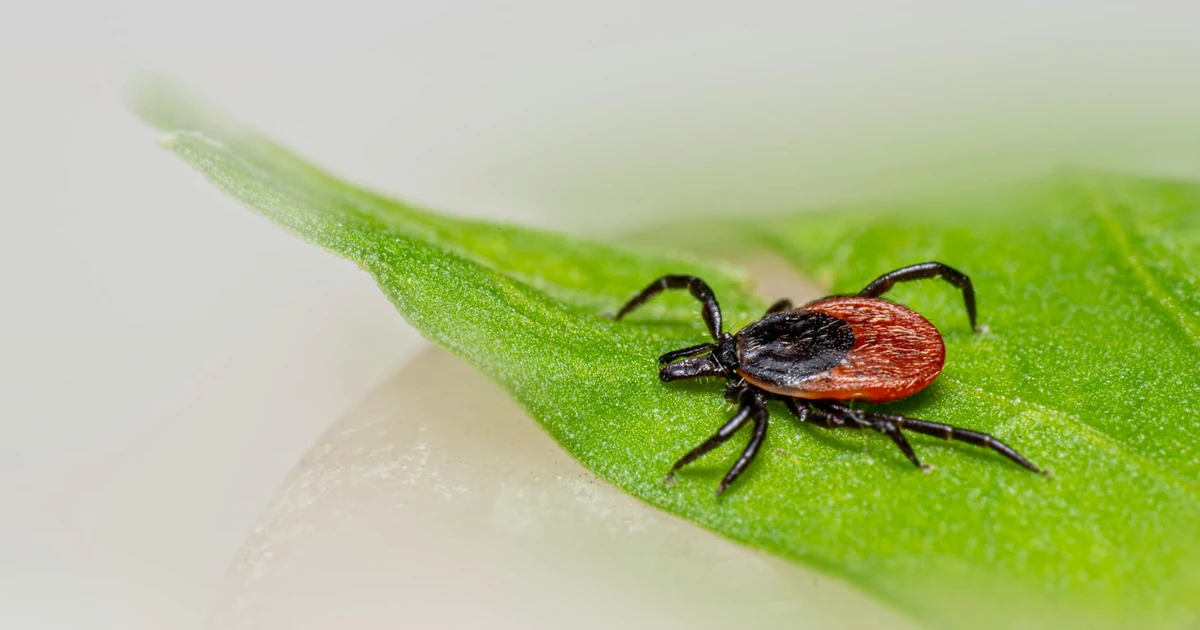
Ticks are another blood-feeding pest that can attach to people, pets, and other animals. Unlike fleas, ticks do not jump. They latch on and remain in place while feeding, making them easier to distinguish once you know what to look for.
How to Spot Flea Activity Inside Your California Home
Adult fleas bite and eat the blood of their hosts, including dogs, cats, and other pets. Fleas also bite people. If you or your family members notice unexplained bites, particularly around the ankles or lower legs, fleas may already be present indoors.
Check your pet’s fur carefully, parting the hair to look for small brown to black insects. You may also notice tiny dark specks, often called “flea dirt,” left behind in areas where your pet rests. Pet bedding and carpeted floors are the first places to inspect.
Where Flea Activity Shows Up Around California Homes
Indoors, flea activity tends to concentrate wherever pets spend the most time. That includes pet bedding, carpeting, and cloth furniture, especially between and under cushions. Vacuuming these areas regularly is part of the preparation process Official Pest Prevention recommends before any treatment.
Exterior Entry Points Fleas Use Around California Homes
Pets that spend time outdoors are the primary way fleas enter your home. Adult cat fleas feed on a variety of furred animals, so wildlife passing through your yard can introduce fleas to the environment. Your dog or cat then picks them up and carries them inside.
If you suspect flea activity in your yard or home, contact Official Pest Prevention to request a quote. Our technicians inspect your yard for hotspots and unidentified host carriers such as wildlife, then treat the problem both outdoors and indoors as needed.
Why Flea Problems Develop in California
The common flea in California is the cat flea. According to UC IPM, fleas found on cats or dogs in the state most likely belong to this species. Understanding what draws these pests to your yard and how they reach the inside of your home is the first step toward keeping them under control.
Outdoor Nesting Areas for Fleas Around California Homes
Fleas thrive in outdoor areas where host animals rest or travel regularly. Wild animals such as feral cats, opossums, squirrels, and coyotes can introduce fleas to your yard. Shaded spots where these animals shelter during the day often become breeding sites where immature fleas develop before finding a new host.
Food and Shelter That Attract Fleas Around California Homes
Fleas depend on blood meals from host animals, so anything that draws wildlife closer to your home also invites flea activity. As UC IPM notes, you should limit food, water, and shelter for feral cats, opossums, squirrels, and coyotes on your property. Removing these attractants reduces the chance that wildlife will linger long enough to deposit fleas near your living spaces.
How Fleas Move Around California Homes
Pets are the most common bridge between outdoor flea populations and your indoor living areas. Dogs and cats pick up cat fleas while spending time in the yard, then carry them inside on their fur. Flea control should be two-pronged, directed at pets to address adult fleas and at breeding sites to address immature fleas.
Trails and Entry Points Fleas Use in California
Because fleas typically hitch a ride on a host rather than travel long distances on their own, the paths your pets take through the home become the primary distribution routes. Pet bedding, floors, and areas where animals rest are where fleas and their eggs tend to accumulate. Official Pest Prevention inspects both indoor and outdoor areas so treatment targets the places fleas are actually developing.
Risks From California Fleas
Fleas are more than a nuisance for your pets. They bite dogs, cats, and humans alike, and they can spread flea-borne diseases in the process. According to UC IPM, the cat flea attacks both dogs and cats and will also bite humans, potentially spreading disease. Understanding what fleas can do helps you decide when to act.
Health Risks Linked to California Fleas
The primary health concern with fleas in California is their ability to bite people and pets and potentially transmit disease. Fleas feed on blood, and each bite can cause itching and discomfort. Beyond the bites themselves, fleas may carry and spread flea-borne diseases to both humans and animals.
If your household includes ticks as well as fleas, the disease risk broadens. As UC IPM notes, Lyme disease spirochetes are transmitted to humans and other animals by the feeding activities of certain ticks. Both pests deserve attention, and the California Department of Public Health and the CDC offer additional guidance on tick-borne disease.
Property Damage From Fleas in California
Fleas do not cause structural damage to your home. They do not chew wood, fabric, or building materials. The real cost of a flea problem is the time, effort, and expense of treating your pets, your living space, and your yard. A persistent infestation can require repeated cleaning and professional treatment to address all life stages.
Food Areas and Flea Activity in California Homes
Fleas are not drawn to your food or pantry. They seek blood meals from hosts, not stored goods. However, flea activity can overlap with areas where your family spends time, including kitchen floors and dining spaces. Before treatment, the Official Pest Prevention team recommends you cover and store any open food products, dishes, or utensils to keep them free of treatment residue.
When to Look Closer at Flea Activity in California
In California, fleas can be active year-round, but their numbers tend to spike during spring and early summer when conditions favor rapid development. During those peak months, your pets are more likely to pick up fleas outdoors and bring them inside. If you notice biting, scratching, or small dark specks on pet bedding, it is worth investigating further.
Because fleas bite humans too, you or your family members may notice bites on ankles or lower legs. Contact Official Pest Prevention to request a quote if you suspect an active problem. Treatments include a follow-up visit to address hatchlings that emerge after the initial service.
Professional Pest Control for Fleas in California
Addressing fleas in California requires a combination of ongoing prevention, thorough inspection, and professional treatment. Because several types of products are available to control fleas on dogs and cats, pairing at-home steps with expert service gives you the best chance of tackling flea activity at every life stage.
How to Reduce Attractants for Fleas in California
Flea populations are highest in places where dogs or cats regularly sleep. Focus your cleaning efforts on pet bedding, carpeted areas near resting spots, and any cushions your pets use frequently. Wash all pet bedding in hot water regularly to remove eggs and larvae before they develop.
Vacuum all carpeting and mop wood and tile floors, including along walls and inside closets. Clean or vacuum furniture, especially between and under cushions. After vacuuming, dispose of the vacuum cleaner bag in a sealed trash container outside your home. If you use a reusable bag, empty its contents outside, seal the container, and wash the bag in hot water.
A flea comb is a simple tool that helps remove adult fleas from your pet’s fur. According to Texas A&M AgriLife Extension, pay special attention to the face and neck regions and the area in front of the tail. Most dogs and cats seem to enjoy the process, so regular combing can become part of your routine.
Why Flea Control in California Starts With Inspection
Before any treatment, an Official Pest Prevention technician inspects your yard for hotspots and signs of wildlife activity. This step helps determine whether you need indoor treatment, outdoor treatment, or both. For most single-family homes, the yard and inside are both treated to prevent recurring activity.
The technician will also talk with you about whether fleas are present indoors, outdoors, or in both areas. Understanding where activity is concentrated helps guide the treatment plan and ensures the right products are applied in the right places.
What to Expect During Professional Flea Treatment in California
Outdoors, the technician applies approved products through a broadcast sprayer and spreads granules throughout up to half an acre. If your yard is larger than half an acre, additional coverage is available for an extra charge. As UC IPM notes, many field populations of cat fleas are resistant to pyrethroids such as permethrin, which is why professional-grade outdoor options matter.
Indoors, a liquid treatment is applied to all baseboards, cracks, crevasses, the entire floor, animal play sets such as cat trees, and pet bedding. The treated floor may feel slightly slippery but will dry within the time given. Running fans or air movers can speed up the drying process.
Be prepared to leave your home during treatment and until surfaces have dried, which typically takes three to five hours. Bring all pets with you, including caged animals, and have pets with fur treated for fleas by a veterinarian at the same time so that neither your home nor your pet reinfests the other afterward.
What to Expect From a California Flea Control Plan
Both indoor and outdoor treatments from Official Pest Prevention come with a free two-week follow-up. This return visit targets any hatchlings that have emerged since the initial service, and the same treatment is provided again at that appointment.
After returning home, turn on ceiling or space fans to help dry treated surfaces. Vacuum all carpeting again and mop hard floors to remove dead fleas. Do not wash or steam clean carpets for at least two weeks after treatment to give the application time to work. Eggs and pupal stages may hatch several weeks later, which is why the scheduled follow-up is included.
To request a quote or schedule a flea inspection, contact Official Pest Prevention. Local technicians serve Fresno, Elk Grove, West Sacramento, Yuba City, Stockton, Modesto, Pleasanton, Livermore, Hayward, and Fremont.
Bottom Line on Fleas in California
Fleas in California can show up whether or not you keep pets, because wildlife around your property may carry them indoors. A two-pronged approach that addresses both your animals and the areas where fleas breed gives you the best chance at lasting relief. Consistent vacuuming, washing pet bedding in hot water, and treating pets at the same time as your home all work together to break the flea life cycle.
If you need professional help, Official Pest Prevention serves homeowners across California’s Central Valley and Bay Area with indoor and outdoor flea treatments that include a free two-week follow-up.
Frequently Asked Questions About Fleas in California
Can I Get Fleas Without Owning a Pet?
Yes. Wild animals such as raccoons, opossums, or squirrels nesting in your attic, fireplace, or crawlspace can introduce fleas to your home. Inspecting those areas and sealing entry points helps reduce that risk.
How Should I Prepare My Home Before Flea Treatment?
Vacuum all carpeting and mop hard floors, including along walls and inside closets. Wash pet bedding and bed linens in hot water. Pick up toys and items from floors, closets, and under beds. Cover fish tanks with wet towels and turn off pumps. Plan to leave the home with all pets for roughly three to five hours, or as long as your service professional advises.
Why Do I Need to Treat My Pet at the Same Time as My Home?
Flea control should target both pets and breeding sites at once. If only the home is treated, fleas on your pet can reintroduce the problem. Likewise, treating only the animal leaves eggs and larvae in carpets and furniture to develop into new adults. Have your pet treated by a veterinarian on the same day your home is serviced.
What Happens After Treatment Is Complete?
Avoid washing or steam cleaning carpets for at least two weeks so the treatment has time to work. Vacuum again to remove dead fleas, and run fans to help treated surfaces dry. Eggs and pupae may hatch weeks later, which is why Official Pest Prevention includes a free two-week follow-up.
Our methodology: how we research pest control topics
Every Official Pest Prevention article follows the same standard we hold our service work to: clear, accurate, and grounded in what actually works on a real Northern California home. Homeowners across the Sacramento metro and Bay Area communities count on us for honest pest information they can act on, and we treat the writing the same way.
We build our content from a combination of government guidance, peer-reviewed research, and the patterns our technicians see across thousands of homes in our service area. Here is how we approach each article:
Studying pest behavior
We start with how each pest actually lives — where it nests, how it spreads, and what conditions support it. Northern California’s seasonal rain and dry cycles change pest pressure in ways that matter for treatment, and getting the biology right is what tells us what will and will not work.
Reviewing health and home risks
We review research on how each pest affects human health and home structures. Some pests are a nuisance. Others trigger allergies, carry bacteria, or cause structural damage. Knowing the actual risk helps homeowners decide how urgently to act.
Using Integrated Pest Management
Our recommendations are grounded in Integrated Pest Management (IPM), the framework supported by the USDA and EPA. IPM combines monitoring, sanitation, exclusion, and targeted treatment to reduce pest populations while limiting unnecessary product use.
Prioritizing prevention and lasting protection
A pest problem rarely ends with one treatment. We focus on the conditions that allow infestations to start in the first place — moisture, food sources, gaps around the home, harborage zones — because long-term control depends on changing the environment, not just treating the symptoms.
Citing peer-reviewed and government sources
Whenever possible, we support our recommendations with peer-reviewed studies, university extension research, and guidance from agencies like the EPA, CDC, and USDA. Each source we cite is listed at the end of the article.
Why trust us
Official Pest Prevention is a local company with local technicians and local customer support. We serve homeowners across the Sacramento metro and into the Bay Area — Fresno, Elk Grove, West Sacramento, Yuba City, Stockton, Modesto, Pleasanton, Livermore, Hayward, and Fremont. When you call, you reach our team. When a technician shows up, they live and work in your area.
That same standard runs through our content. The information you read here reflects what our technicians see in the field, what current research supports, and what we have learned from servicing homes across our Northern California footprint.
Our credentials
- Service across the Sacramento metro and Bay Area — Fresno, Elk Grove, West Sacramento, Yuba City, Stockton, Modesto, Pleasanton, Livermore, Hayward, and Fremont
- Local technicians and local customer support
- Specialty services including dewebbing and power sprayer treatments
- General pest control, mosquito, rodent, termite, and seasonal pest programs
- Continuous review of research, regulations, and California-specific pest pressure
Sources and standards we reference
To keep our content accurate and up to date, we rely on established research and authority sources, including:
Environmental Protection Agency (EPA):
Guidelines on product use, labeling, and approved applications.
Centers for Disease Control and Prevention (CDC):
Public-health guidance on pests that affect human health, including mosquitoes, ticks, rodents, and cockroaches.
United States Department of Agriculture (USDA):
Integrated Pest Management standards and pest biology research.
National Pest Management Association (NPMA):
Industry standards, pest behavior research, and seasonal trend reporting.
University of California Cooperative Extension:
Peer-reviewed, region-specific research on Northern California pest biology and control methods.
Peer-reviewed journals:
Research published in entomology, public health, and environmental science journals to support specific claims about pest behavior, health risks, and treatment efficacy.
Article sources
The following sources were specifically referenced in the research and development of this article:
All information is accurate at the time of publication and is reviewed regularly to reflect current research and pest control standards.