Ticks in Sacramento can create costly problems when early signs are missed. Learn what to look for, why it matters, and when to call Proforce.
Key Takeaways About Sacramento Ticks
- Ticks are blood-feeding parasites that can attach to both people and pets, including dogs, and may transmit pathogens during feeding.
- Learning to identify the tick species found in your area helps you understand potential risks and take the right precautions before spending time outdoors.
- Simple prevention steps, such as checking your skin and your pets after being outside, can reduce the chance of being bitten.
- If you notice tick activity around your Sacramento-area property, contact Official Pest Prevention for a quote.
How to Identify Sacramento Ticks
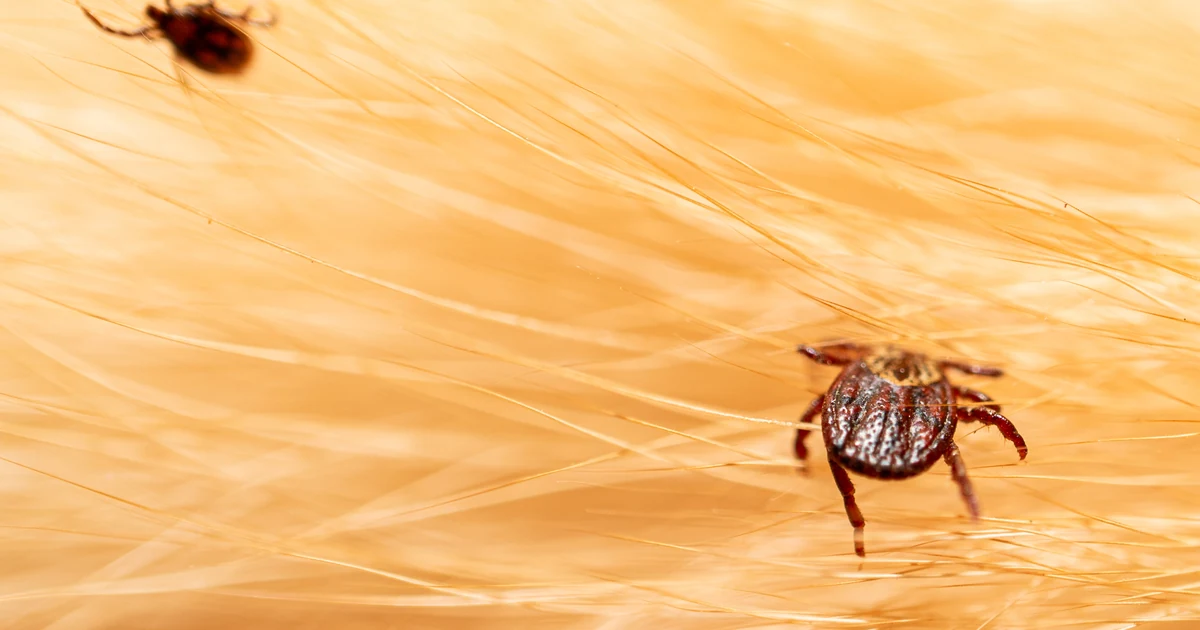
Ticks are blood-feeding parasites that can transmit various pathogens to humans and animals. California is home to 48 tick species, and the western blacklegged tick is the most widely distributed and abundant of them. According to UC IPM, this species is the one Sacramento homeowners are most likely to encounter. Knowing what to look for helps you act quickly when you find a tick on your skin, your pet, or around your property.
How to Tell Tick Types Apart in Sacramento
Hard ticks make up roughly 80 percent of the more than 900 tick species described worldwide. In California, the western blacklegged tick is the primary species of concern. The eastern blacklegged tick, also called the deer tick (Ixodes scapularis), does not occur in California. That distinction matters because many online guides feature the eastern species, which can cause confusion for Sacramento residents trying to identify a specimen they have found.
Globally, four species of hard ticks in the genus Ixodes serve as primary vectors of Borrelia burgdorferi or closely related spirochetes to people. Knowing whether a tick belongs to the Ixodes genus helps determine the level of concern after a bite.
How to Spot Tick Activity Inside Your Sacramento Home
Ticks progress through four life stages: larva, nymph, adult male, and adult female. Larvae are tiny and may attach in large numbers, though they do not transmit disease-causing pathogens. Nymphs and adults are the primary disease vectors, so these are the stages you should watch for on clothing, skin, or pets after spending time outdoors.
One sign worth noting after a tick bite is a slowly expanding reddish rash known as erythema migrans. According to UC IPM, this rash appears in up to 60 to 80 percent of Lyme disease patients, typically 3 to 32 days after the bite of an infectious tick. If you notice this type of rash, contact a healthcare provider.
Where Tick Activity Shows Up Around Sacramento Homes
Because ticks are blood-feeding parasites, they position themselves in areas where they can contact a host. You may find them on pets returning from yards or open spaces. Checking your skin and your pet’s fur after time spent outdoors is one of the most practical ways to catch tick activity early.
Exterior Entry Points Ticks Use Around Sacramento Homes
Ticks typically reach your home by hitching a ride on people or animals. Once attached, they can drop off indoors if not noticed. If you are finding ticks regularly around your Sacramento home, contact Official Pest Prevention for a quote.
Why Tick Problems Develop in Sacramento
Tick activity in the Sacramento area typically runs from April through October, which means your yard and home can be at risk for months at a time. Understanding what draws ticks to a property and how they travel helps you spot conditions before they become a bigger concern.
Outdoor Nesting Areas for Ticks Around Sacramento Homes
Ticks thrive in areas where they can wait for a passing host. The western black-legged tick, Ixodes pacificus, has seasonal activity patterns tied to conditions found across Northern California. Leaf litter, ground cover, and shaded spots near walkways give ticks the humidity they need to survive between feedings.
Brown dog tick larvae and nymphs can survive off a host for up to six months, and according to the University of Georgia pest guide, adult females can survive a full year without feeding. That long survival window means ticks can persist in sheltered outdoor spots around your home well beyond the active season.
Food and Shelter That Attract Ticks Around Sacramento Homes
Ticks rely on animal hosts. Dogs are a primary draw for brown dog ticks. When ticks are actively seeking a host, they move toward a dog, and owners often notice ticks appearing on furniture, baseboards, carpeting, and dog bedding. Wildlife passing through your yard can also carry ticks onto your property.
How Ticks Move Around Sacramento Homes
Once an adult tick contacts a suitable host, the female begins searching for a place to attach. This host-seeking behavior occurs at every active life stage, which means even small nymphs are on the move. Because nymphs are tiny, they can go unnoticed for days. Inspect clothing, exposed skin, and pets after spending time outdoors in tick-prone areas, and continue checking yourself for several days afterward.
Trails and Entry Points Ticks Use in Sacramento
Ticks do not fly or jump. They reach your home by hitchhiking on pets, clothing, or wildlife. A dog returning from a walk can carry ticks indoors, where host-seeking activity draws them out into open areas of the house. Applying permethrin to clothing, not skin, before entering tick habitats is one way to reduce the chances of bringing ticks home with you.
Our local team can help you address the issue at its source.
Risks From Sacramento Ticks
Health Risks Linked to Sacramento Ticks
Tick bites carry the risk of tick-borne disease. Two of the most recognized concerns are Lyme disease and Rocky Mountain Spotted Fever. Lyme disease in California is associated with bites from Ixodes pacificus, the western black-legged tick. According to UC IPM, the characteristic erythema migrans rash is present in the majority of confirmed cases.
Lyme disease cases among California residents who had no travel history and showed the erythema migrans rash peak from May to July, following the maximum abundance of Ixodes pacificus nymphs from April to June. That spring-through-summer window overlaps with the months Sacramento residents spend the most time outdoors.
Property Damage From Ticks in Sacramento
Ticks are not known to cause structural or property damage the way wood-destroying pests do. Their risk is directed at people and animals rather than at your home itself. Because ticks latch onto hosts instead of nesting in building materials, the concern centers on the disease risk they introduce to your yard and living spaces rather than on physical harm to the structure.
Food Areas and Tick Activity in Sacramento Homes
Ticks do not target food storage or preparation areas. Unlike pantry pests, they are blood-feeding parasites that seek hosts rather than food sources. Still, any outdoor-to-indoor transition point in your home, including areas near back doors or mudrooms where pets enter, can become a spot where a tick hitches a ride inside.
When to Look Closer at Tick Activity in Sacramento
If you or your family spend time outdoors in tick-infested areas, you can reduce the risk of exposure to Ixodes pacificus and other human-biting ticks by taking simple precautions, according to UC IPM. Checking yourself, your children, and your pets after outdoor activity is a practical first step.
Because Lyme disease cases in California peak from May to July, that period calls for extra awareness. If you notice tick activity on your property or find ticks on household members, contact Official Pest Prevention for a quote.
Professional Pest Control for Ticks in Sacramento
Managing ticks around your Sacramento home involves a combination of personal prevention, property awareness, and professional treatment. Because most people who contract Lyme disease or other tick-borne illnesses become ill within one to two weeks after being bitten, according to UC IPM, early action matters. A structured approach helps you stay ahead of the problem during the active season.
How to Reduce Attractants for Ticks in Sacramento
Treating clothing with a permethrin spray is one method of personal protection against the western black-legged tick, Ixodes pacificus, according to UC IPM. This step can be part of your routine whenever you spend time outdoors around your property.
If you have dogs or cats, talk with your veterinarian about the latest products registered for controlling ticks that infest pets. Keeping pets treated is an important part of prevention, since animals can carry ticks from outdoor areas back into your home.
Why Tick Control in Sacramento Starts With Inspection
A thorough inspection helps identify where ticks may be present on your property. One early sign of a tick-borne illness is a rash that begins at the attachment site and expands slowly to several inches in diameter before disappearing within three to four weeks. This rash may not be apparent on dark-skinned people, so awareness during and after any tick encounter is important.
Professional inspection gives you a clearer picture of tick activity around your home. Contact Official Pest Prevention for a quote to learn what your property needs.
What to Expect During Professional Tick Treatment in Sacramento
Official Pest Prevention is a local company with local techs and local customer support. When you reach out for tick treatment, a service professional will assess your property and discuss next steps with you directly.
In addition to professional treatment on your property, personal prevention measures such as permethrin-treated clothing can complement the work done by your technician. For pets, your veterinarian can recommend tick control products registered for dogs or cats to support ongoing prevention between service visits.
What to Expect From a Sacramento Tick Control Plan
A tick control plan from Official Pest Prevention addresses your property during the active season. Because symptoms of tick-borne illness can develop quickly after a bite, consistent treatment throughout the season supports your household’s comfort.
Keep an eye out for any expanding rash at a bite site, and consult a healthcare provider if you notice one. Pairing professional service with personal prevention and veterinarian-recommended pet products gives your household a well-rounded approach to tick management. Contact Official Pest Prevention for a quote on your Sacramento home.
Bottom Line on Ticks in Sacramento
Ticks in Sacramento are a concern for homeowners, especially during the warmer months from April through October. Understanding what ticks look like, where they tend to appear on your property, and how to reduce your exposure goes a long way toward protecting your household. Keeping your yard maintained, checking yourself and pets after time outdoors, and reaching out for professional help when activity persists are all practical steps worth taking. If you need a hand managing ticks around your home, contact Official Pest Prevention for a quote.
Frequently Asked Questions About Ticks in Sacramento
When are Ticks most active around Sacramento?
Tick activity in the Sacramento area generally runs from April through October. During this stretch, spending time in yards, trails, or grassy areas increases your chance of encountering them. Staying aware and taking precautions before heading outdoors can help reduce your risk of a tick bite.
How can I reduce Ticks in my yard?
Keeping grass trimmed, clearing leaf litter, and removing brush piles makes your yard less inviting for ticks. If you have dogs or cats that spend time outside, talk to your veterinarian about tick-control products suited for your pets. These combined steps lower the chances of ticks establishing themselves near your home.
Should I worry about tick bites?
Ticks can transmit pathogens to people and animals. If you notice an expanding rash days after removing a tick, consult a healthcare provider promptly. Taking simple precautions when spending time in tick-prone areas helps reduce your risk of exposure.
Does Official Pest Prevention treat for Ticks?
Yes. Official Pest Prevention is a local company serving areas including West Sacramento and surrounding communities. If you are noticing tick activity around your property, reach out for a quote.
Our methodology: how we research pest control topics
Every Official Pest Prevention article follows the same standard we hold our service work to: clear, accurate, and grounded in what actually works on a real Northern California home. Homeowners across the Sacramento metro and Bay Area communities count on us for honest pest information they can act on, and we treat the writing the same way.
We build our content from a combination of government guidance, peer-reviewed research, and the patterns our technicians see across thousands of homes in our service area. Here is how we approach each article:
Studying pest behavior
We start with how each pest actually lives — where it nests, how it spreads, and what conditions support it. Northern California’s seasonal rain and dry cycles change pest pressure in ways that matter for treatment, and getting the biology right is what tells us what will and will not work.
Reviewing health and home risks
We review research on how each pest affects human health and home structures. Some pests are a nuisance. Others trigger allergies, carry bacteria, or cause structural damage. Knowing the actual risk helps homeowners decide how urgently to act.
Using Integrated Pest Management
Our recommendations are grounded in Integrated Pest Management (IPM), the framework supported by the USDA and EPA. IPM combines monitoring, sanitation, exclusion, and targeted treatment to reduce pest populations while limiting unnecessary product use.
Prioritizing prevention and lasting protection
A pest problem rarely ends with one treatment. We focus on the conditions that allow infestations to start in the first place — moisture, food sources, gaps around the home, harborage zones — because long-term control depends on changing the environment, not just treating the symptoms.
Citing peer-reviewed and government sources
Whenever possible, we support our recommendations with peer-reviewed studies, university extension research, and guidance from agencies like the EPA, CDC, and USDA. Each source we cite is listed at the end of the article.
Why trust us
Official Pest Prevention is a local company with local technicians and local customer support. We serve homeowners across the Sacramento metro and into the Bay Area — Fresno, Elk Grove, West Sacramento, Yuba City, Stockton, Modesto, Pleasanton, Livermore, Hayward, and Fremont. When you call, you reach our team. When a technician shows up, they live and work in your area.
That same standard runs through our content. The information you read here reflects what our technicians see in the field, what current research supports, and what we have learned from servicing homes across our Northern California footprint.
Our credentials
- Service across the Sacramento metro and Bay Area — Fresno, Elk Grove, West Sacramento, Yuba City, Stockton, Modesto, Pleasanton, Livermore, Hayward, and Fremont
- Local technicians and local customer support
- Specialty services including dewebbing and power sprayer treatments
- General pest control, mosquito, rodent, termite, and seasonal pest programs
- Continuous review of research, regulations, and California-specific pest pressure
Sources and standards we reference
To keep our content accurate and up to date, we rely on established research and authority sources, including:
Environmental Protection Agency (EPA):
Guidelines on product use, labeling, and approved applications.
Centers for Disease Control and Prevention (CDC):
Public-health guidance on pests that affect human health, including mosquitoes, ticks, rodents, and cockroaches.
United States Department of Agriculture (USDA):
Integrated Pest Management standards and pest biology research.
National Pest Management Association (NPMA):
Industry standards, pest behavior research, and seasonal trend reporting.
University of California Cooperative Extension:
Peer-reviewed, region-specific research on Northern California pest biology and control methods.
Peer-reviewed journals:
Research published in entomology, public health, and environmental science journals to support specific claims about pest behavior, health risks, and treatment efficacy.
Article sources
The following sources were specifically referenced in the research and development of this article:
All information is accurate at the time of publication and is reviewed regularly to reflect current research and pest control standards.