Scorpions in California can create costly problems when early signs are missed. Learn what to spot and when to call Official Pest Prevention.
Scorpions in California: What You Need to Know
Yes, scorpions do live in California. Several species can be found in the state, particularly in Southern California and other warm, dry areas adjacent to the desert. If you are a homeowner in California, understanding which scorpions may show up around your property, what risks they pose, and how to reduce encounters is worth your time.
Delete the entire sentence. The following sections already cover these topics without needing a table-of-contents preview., including the bark scorpion and the Arizona hairy scorpion. We will also look at the health risks a scorpion sting can present, practical prevention steps you can take around your home, and when it makes sense to call a professional for help.
Whether you have already spotted a scorpion indoors or simply want to be prepared, the sections below give you a clear starting point. If you need hands-on support, Official Pest Prevention serves homeowners throughout Central California and the greater Bay Area. Contact us to request a quote.
How to Identify California Scorpions
Several scorpion species can be found in California, and knowing what to look for helps you respond quickly. According to UC IPM, roughly 70 species are found across North America, and only one of those, the bark scorpion, is considered dangerous to people. Recognizing the differences between species in your area is a practical first step.
How to Tell Scorpion Types Apart in California
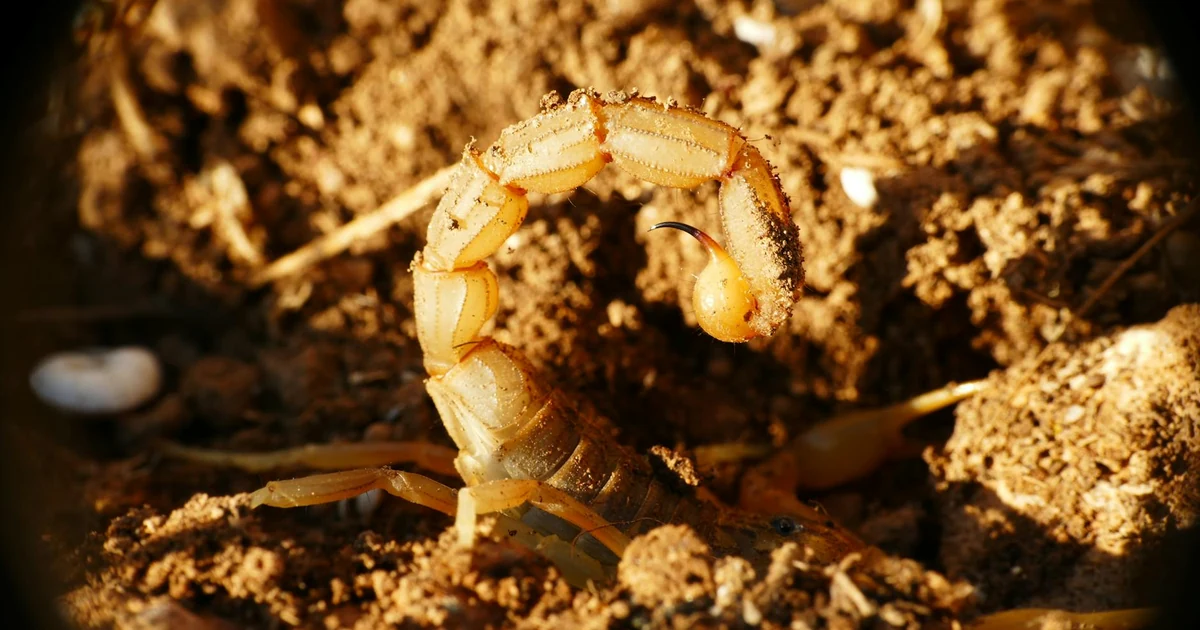
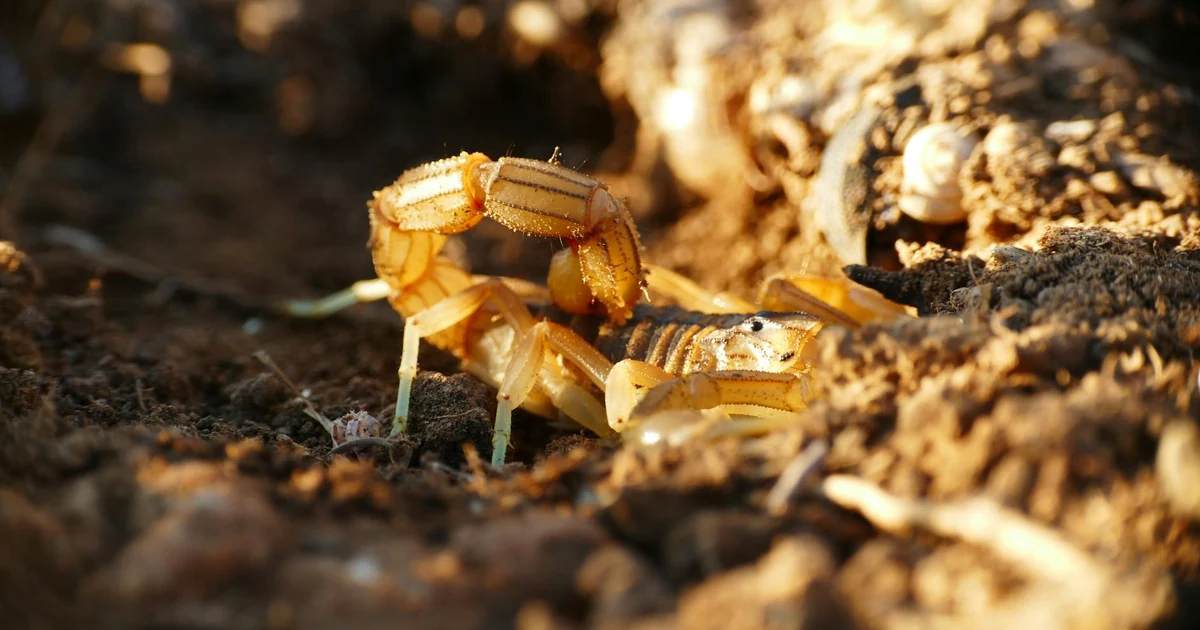
Scorpions share a general body plan: lobster-like pincers, a segmented tail curving over the back, and a stinger at the tip. The bark scorpion can be distinguished from other California species by its overall appearance, but proper identification should be left to a trained professional. Other species tend to be stockier with larger pincers.
Size can also help. Scorpion species in California vary in size, so size alone is not a reliable way to determine whether a scorpion is dangerous. If you spot a scorpion and are unsure which type it is, avoid handling it and contact a service professional for identification.
How to Spot Scorpion Activity Inside Your California Home
Scorpions are nocturnal, so you may not see them during the day. A UV flashlight can help reveal scorpions at night, since their exoskeletons glow under ultraviolet light. Check dark corners, closets, and undisturbed storage areas after dark.
Finding a single scorpion indoors does not always mean a large population is present, but it does suggest they have a way inside. Keep an eye on bathrooms, garages, and ground-level rooms where conditions tend to stay cool and sheltered.
Where Scorpion Activity Shows Up Around California Homes
Outdoors, scorpions often shelter under rocks, woodpiles, and debris near your foundation. Landscape features that hold moisture or provide cover, such as stacked firewood or leaf litter, can attract them. Checking these spots regularly helps you gauge activity levels around your property.
Common Exterior Gaps Scorpions Exploit in California
Scorpions can squeeze through gaps as narrow as a credit card’s width. Cracks in your foundation, gaps beneath exterior doors, and openings around plumbing or conduit lines are common access points. Sealing these gaps and ensuring weather stripping is in good condition can reduce the chances of scorpions moving indoors.
If you notice repeated scorpion sightings inside your home, contact Official Pest Prevention to have a service professional assess the situation.
Why Scorpion Problems Develop in California
Most scorpions live in warm, dry climates. According to UC IPM, many of the species found in North America occur in Arizona, adjacent areas of California, and parts of New Mexico. Understanding what draws them closer to your home can help you stay ahead of a potential encounter.
Outdoor Nesting Areas for Scorpions Around California Homes
Scorpions in California favor outdoor areas that offer warmth and cover during the day. The Arizona hairy scorpion is a common desert species found in Southern California. The stripedtail scorpion is also one of the most common species in the region. Both rely on sheltered ground-level spots where they can rest undisturbed until they become active at night.
Food and Shelter That Attract Scorpions Around California Homes
Scorpions are drawn to areas that provide both cover and access to prey. Species in California can be found from sea level to elevations above 7,000 feet, meaning properties in many different landscapes can provide suitable conditions. Reducing harborage around your property helps limit the resources that keep scorpions nearby.
How Scorpions Move Around California Homes
The bark scorpion is found in the extreme southeastern portion of California near Arizona. Other species occur across the southern part of the state. Scorpions may move closer to structures when outdoor conditions shift or when nearby cover is disturbed. Awareness of which species occur in your area helps you know what to watch for.
Trails and Entry Points Scorpions Use in California
Scorpions typically follow edges and gaps as they travel between outdoor harborage and the interior of a home. Sealing potential access points around your foundation and exterior walls is one of the simplest ways to reduce the chance of an indoor encounter. If you notice scorpion activity on your property, contact Official Pest Prevention to discuss your options.
Risks From California Scorpions
When scorpions settle near your home, the main concern is the possibility of a sting. Understanding where scorpions tend to hide and what draws them close to living spaces helps you lower your risk and decide when professional help makes sense.
Health Risks Linked to California Scorpions
A scorpion sting is the primary health concern for homeowners. Scorpions often hide in shoes, boots, clothing, and wet towels left outdoors. Picking up one of these items without checking first is a common way stings happen. According to UC IPM, keeping these items from sitting outside is one of the most practical prevention measures.
Property Damage From Scorpions in California
Scorpions are not known for causing structural or property damage. Their presence is primarily a nuisance and a sting hazard rather than a threat to building materials. However, allowing outdoor clutter to accumulate can create hiding spots that invite scorpions closer to your home’s foundation and entry points.
Food Areas and Scorpion Activity in California Homes
Scorpions are drawn to sheltered spaces rather than food sources. Around the outside of your home, stacks of wood or lumber, piles of bricks or stones, and piles of plant debris all provide the kind of cover scorpions seek. Removing these outdoor refuges reduces the chance that scorpions will settle near doorways or patios.
When to Look Closer at Scorpion Activity in California
If you notice scorpions around your property, start by clearing debris piles and other hiding spots near the house. According to UC IPM, scorpions shelter under rocks, woodpiles, and debris. Clearing stacked lumber, stone piles, and plant litter near your foundation is a practical step for reducing scorpion harborage outdoors.
Make it a habit to shake out shoes and boots before putting them on, and avoid leaving wet towels or clothing outside. If you continue to find scorpions after taking these steps, contact Official Pest Prevention to schedule an assessment.
Professional Pest Control for Scorpions in California
Because scorpions favor warm, dry conditions found in parts of California, a proactive approach to control matters for homeowners in affected areas. Reducing the conditions that attract scorpions, scheduling inspections, and working with a local pest control team can help you stay ahead of potential encounters.
How to Reduce Attractants for Scorpions in California
Scorpions look for sheltered spots close to your home. Keeping the perimeter of your property tidy and free of clutter limits the places where scorpions can settle in. Trimming vegetation away from your foundation and sealing gaps around doors and windows also makes your home less inviting.
According to UC IPM, the sting of most U.S. scorpion species is comparable to a bee sting, though the bark scorpion’s venom can cause serious symptoms. Simple maintenance steps around your yard and exterior walls go a long way toward lowering the likelihood of finding one indoors.
Why Scorpion Control in California Starts With Inspection
An inspection covers entry points, harborage zones, and exterior conditions to identify whether scorpions are present on your property. and where they may be hiding. Without that baseline understanding, any treatment plan risks missing the areas that matter most.
An inspection also reveals entry points and harborage conditions specific to your home. Every property is different, and a careful walkthrough gives a pest control professional the information needed to tailor a plan to your situation rather than relying on guesswork.
Steps Involved in Professional Scorpion Treatment
A trained service professional will focus on the areas identified during inspection. Treatment targets the zones where scorpions are most likely to shelter and travel. Official Pest Prevention uses local techs who understand conditions in the communities they serve, from Fresno and Stockton to Modesto and beyond.
California scorpion species vary widely in size, from the stripedtail scorpion at roughly 2.5 inches up to the Arizona hairy scorpion at 5 to 7 inches at maturity, and they can fit into tight spaces. Your technician will address those harborage areas directly. Dewebbing and power sprayer services offered by Official Pest Prevention can also help manage other pests that may attract scorpions to your property.
What to Expect From a California Scorpion Control Plan
A control plan from Official Pest Prevention starts with an understanding of your home and its surroundings. Because the company operates with local customer support and technicians across communities like Elk Grove, West Sacramento, Yuba City, Pleasanton, Livermore, Hayward, and Fremont, your plan is built around the conditions in your area.
Ongoing attention matters with scorpions. Your service professional can outline a schedule that fits your property’s needs over time. If you are noticing scorpions around your home, contact Official Pest Prevention to get started with an inspection tailored to your property.
Bottom Line on Scorpions in California
Yes, scorpions do live in California, particularly in warmer, drier parts of the state. Several species may turn up around homes, and while stings are painful, they are rarely deadly. Simple habits like checking shoes and clothing left outdoors can reduce your chance of an unwelcome encounter. If you spot scorpions on your property and want professional help, contact Official Pest Prevention to request a quote.
Frequently Asked Questions About Scorpions in California
Do Scorpions Sting People?
Scorpions can and will sting when disturbed. The sting is painful, but for the vast majority of species found in California it is very rarely deadly. If you experience unusual symptoms after a sting, seek medical attention right away.
Where Are Scorpions Most Likely Found?
Scorpions prefer warm, dry climates. In California, they are more common in southern and desert regions. They may shelter under rocks, debris, or items left on the ground near your home.
How Can I Reduce the Chance of a Sting?
Avoid leaving shoes, boots, clothing, or wet towels outdoors where scorpions can hide. Shaking out items before wearing them is a practical step, especially if you live in an area where scorpions are present.
Can a Pest Professional Help with Scorpions?
A trained service professional can inspect your property and recommend next steps. Official Pest Prevention serves homeowners in Fresno, Elk Grove, West Sacramento, Yuba City, Stockton, Modesto, Pleasanton, Livermore, Hayward, and Fremont. Reach out to request a quote tailored to your situation.
Our methodology: how we research pest control topics
Every Official Pest Prevention article follows the same standard we hold our service work to: clear, accurate, and grounded in what actually works on a real Northern California home. Homeowners across the Sacramento metro and Bay Area communities count on us for honest pest information they can act on, and we treat the writing the same way.
We build our content from a combination of government guidance, peer-reviewed research, and the patterns our technicians see across thousands of homes in our service area. Here is how we approach each article:
Studying pest behavior
We start with how each pest actually lives — where it nests, how it spreads, and what conditions support it. Northern California’s seasonal rain and dry cycles change pest pressure in ways that matter for treatment, and getting the biology right is what tells us what will and will not work.
Reviewing health and home risks
We review research on how each pest affects human health and home structures. Some pests are a nuisance. Others trigger allergies, carry bacteria, or cause structural damage. Knowing the actual risk helps homeowners decide how urgently to act.
Using Integrated Pest Management
Our recommendations are grounded in Integrated Pest Management (IPM), the framework supported by the USDA and EPA. IPM combines monitoring, sanitation, exclusion, and targeted treatment to reduce pest populations while limiting unnecessary product use.
Prioritizing prevention and lasting protection
A pest problem rarely ends with one treatment. We focus on the conditions that allow infestations to start in the first place — moisture, food sources, gaps around the home, harborage zones — because long-term control depends on changing the environment, not just treating the symptoms.
Citing peer-reviewed and government sources
Whenever possible, we support our recommendations with peer-reviewed studies, university extension research, and guidance from agencies like the EPA, CDC, and USDA. Each source we cite is listed at the end of the article.
Why trust us
Official Pest Prevention is a local company with local technicians and local customer support. We serve homeowners across the Sacramento metro and into the Bay Area — Fresno, Elk Grove, West Sacramento, Yuba City, Stockton, Modesto, Pleasanton, Livermore, Hayward, and Fremont. When you call, you reach our team. When a technician shows up, they live and work in your area.
That same standard runs through our content. The information you read here reflects what our technicians see in the field, what current research supports, and what we have learned from servicing homes across our Northern California footprint.
Our credentials
- Service across the Sacramento metro and Bay Area — Fresno, Elk Grove, West Sacramento, Yuba City, Stockton, Modesto, Pleasanton, Livermore, Hayward, and Fremont
- Local technicians and local customer support
- Specialty services including dewebbing and power sprayer treatments
- General pest control, mosquito, rodent, termite, and seasonal pest programs
- Continuous review of research, regulations, and California-specific pest pressure
Sources and standards we reference
To keep our content accurate and up to date, we rely on established research and authority sources, including:
Environmental Protection Agency (EPA):
Guidelines on product use, labeling, and approved applications.
Centers for Disease Control and Prevention (CDC):
Public-health guidance on pests that affect human health, including mosquitoes, ticks, rodents, and cockroaches.
United States Department of Agriculture (USDA):
Integrated Pest Management standards and pest biology research.
National Pest Management Association (NPMA):
Industry standards, pest behavior research, and seasonal trend reporting.
University of California Cooperative Extension:
Peer-reviewed, region-specific research on Northern California pest biology and control methods.
Peer-reviewed journals:
Research published in entomology, public health, and environmental science journals to support specific claims about pest behavior, health risks, and treatment efficacy.
Article sources
The following sources were specifically referenced in the research and development of this article:
All information is accurate at the time of publication and is reviewed regularly to reflect current research and pest control standards.