Millipedes in California can create costly problems when early signs are missed. Learn what to look for, why it matters, and when to call Proforce.
Key Takeaways About California Millipedes
- Millipedes are brownish, elongated arthropods with cylindrical bodies and two or more pairs of legs per segment, making them easy to distinguish from centipedes, which carry one pair per segment.
- Several millipede species can be found in California, and they may occasionally move indoors, especially into houses and other structures.
- Millipedes do not bite people, and most species feed on dead plant material rather than causing damage inside your home.
- If millipedes are showing up around your California property, Official Pest Prevention can help. Contact our local team to request a quote.
How to Identify California Millipedes
Knowing what millipedes look like and where they tend to show up can help you act quickly when you find them around your California home. A few body features set millipedes apart from similar pests, so a close look is all it usually takes to confirm what you are dealing with.
How to Tell Millipede Types Apart in California
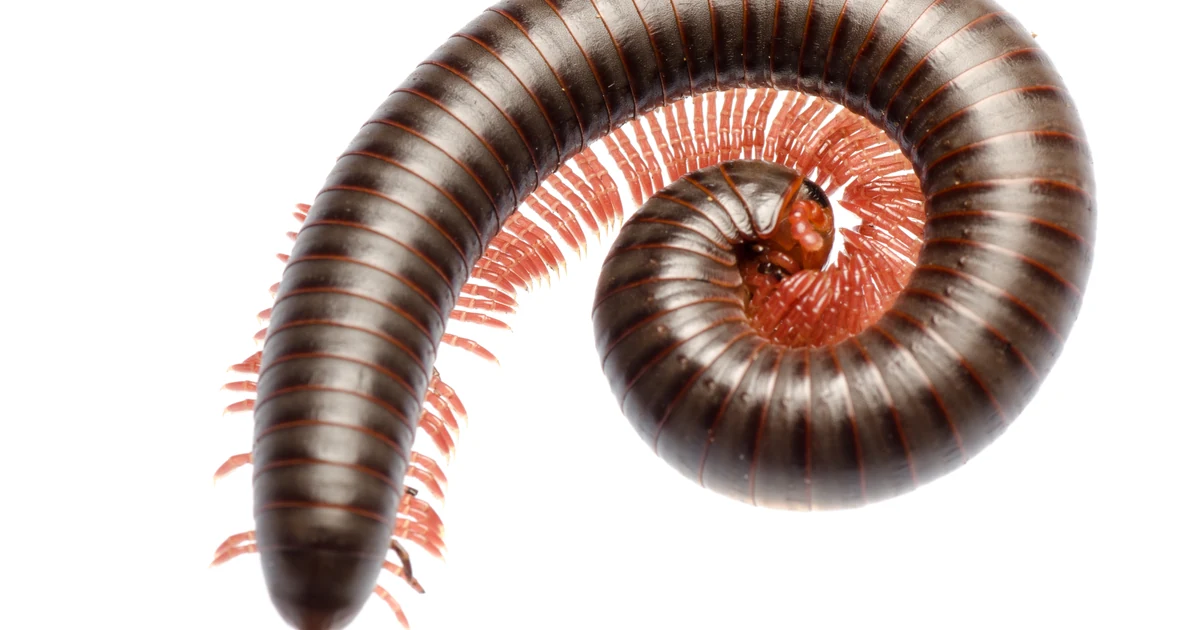
According to UC IPM, millipedes are brownish, elongated, and cylindrical to slightly flattened creatures with two or four pairs of tiny legs per body segment. That leg count is the fastest way to separate them from centipedes, which carry only one pair per segment and have a noticeably flattened shape.
When you see tightly packed legs rippling as the creature moves, you are almost certainly looking at a millipede. Centipedes, by contrast, have a single pair of legs per segment and tend to move much faster.
How to Spot Millipede Activity Inside Your California Home
Millipedes that make it indoors are usually easy to notice because of their slow, curling movement. You may find a single millipede on a floor or along a baseboard. Their brownish, cylindrical bodies stand out against lighter surfaces, so they rarely go unnoticed for long once they wander inside.
Finding one indoors typically means conditions outside are pushing them toward your home. If you see more than one over a short period, it is worth inspecting the exterior for possible entry points.
Where Millipede Activity Shows Up Around California Homes
Outdoors, millipedes live in the ground and along the soil surface. You may spot them under objects resting on soil, in garden beds, or in similar ground-level areas where they share habitat with sowbugs and other arthropods.
Checking these ground-level zones regularly gives you an early read on how many millipedes are present near your home’s foundation.
Exterior Entry Points Millipedes Use Around California Homes
Any gap where your home meets the soil can serve as an entry point. Doors, foundation edges, and other low openings are the most likely paths they follow indoors.
If you want help pinpointing where millipedes are getting in, contact Official Pest Prevention to request a quote. Our local service professionals can inspect the areas around your home where millipede activity is most likely.
Why Millipede Problems Develop in California
California is home to numerous millipede species. According to UC IPM, three species commonly seen are the common millipede, the bulb millipede, and the greenhouse millipede. Understanding where these arthropods nest, what draws them in, and how they reach your living spaces can help you stay ahead of an unwanted visit.
Outdoor Nesting Areas for Millipedes Around California Homes
Millipedes are arthropods related to insects, not true insects themselves. They tend to gather in damp, sheltered spots outside your home. Leaf litter, mulch beds, and areas beneath stones or landscape timbers can all harbor millipede populations close to your foundation. Shaded ground-level zones around your property are typical nesting areas.
Food and Shelter That Attract Millipedes Around California Homes
Millipedes feed on decaying biological matter. Yards with heavy layers of decomposing leaves or other plant debris offer both food and the damp shelter millipedes prefer. Reducing biological buildup close to the foundation can make your property less appealing to them.
How Millipedes Move Around California Homes
Millipedes are slow-moving creatures that migrate in larger numbers when outdoor conditions shift. Extended dry spells or heavy watering can push them away from their usual harborage and toward structures. The house centipede, a related arthropod that often invades buildings, can run rapidly on its long legs, but millipedes travel at a much slower pace and tend to move in groups.
Trails and Entry Points Millipedes Use in California
Millipedes typically reach indoor spaces through ground-level gaps. Cracks along the foundation, poorly sealed door sweeps, and spaces around utility openings give them a path inside. Once indoors, they are not harmful to people, food, clothes, furniture, or other household items. Still, finding a cluster indoors is a sign that moisture and entry-point issues need attention.
If millipedes are becoming a recurring issue indoors, Official Pest Prevention can provide local support. Contact us to request a quote.
Risks From California Millipedes
Millipedes are among the more misunderstood pests California homeowners encounter. While they look intimidating, their actual risk profile is narrower than many people assume. Understanding what millipedes can and cannot do helps you decide when professional attention makes sense.
Health Risks Linked to California Millipedes
Millipedes do not bite. Their jaws are soft and built for consuming dead plant material, not for piercing skin. However, some species produce defensive secretions that can stain skin and, in certain cases, blister it on contact, according to Texas A&M AgriLife Extension. If you handle millipedes, wash your hands promptly and avoid touching your eyes or mouth afterward.
Because millipedes lack venom, they pose far less of a direct health concern than other pests you may find around your California home. The main precaution is simply avoiding prolonged skin contact with their secretions.
Property Damage From Millipedes in California
Most millipede species feed exclusively on soft, dead plant material, so they rarely harm household structures or furnishings. The greenhouse millipede is one exception that can damage emerging garden plants. Beyond that narrow category, millipedes are unlikely to cause meaningful property damage indoors or out.
The larger concern is usually the nuisance factor. When millipedes move indoors in large numbers, they can die in living spaces and leave behind staining secretions on floors or surfaces. Addressing the conditions that draw them inside is typically more productive than worrying about structural harm.
Food Areas and Millipede Activity in California Homes
Millipedes are not drawn to human food. Their diet is restricted to decaying biological matter like leaf litter and decomposing vegetation. You are unlikely to find them contaminating pantry items or kitchen surfaces in the way that other household pests might.
That said, millipedes that wander into kitchens, bathrooms, or laundry rooms are responding to moisture rather than food sources. Keeping these areas dry and well-ventilated can reduce the chance of encountering them near food preparation zones.
When to Look Closer at Millipede Activity in California
A stray millipede or two indoors is common and usually not a sign of a deeper problem. Repeated sightings in the same areas, however, may point to excess moisture or biological debris near your foundation that is supporting a larger population.
If millipede sightings are becoming routine, contact Official Pest Prevention to request a quote. Our local team can help you figure out what is drawing pests to your property.
Professional Pest Control for Millipedes in California
While millipedes often die quickly once they move indoors, finding them alive repeatedly can point to a moisture issue that deserves attention. A professional approach helps you identify why millipedes are getting inside and what conditions are drawing them to your property in the first place.
How to Reduce Attractants for Millipedes in California
If you are finding millipedes alive inside your home on a regular basis, that is a strong sign of excess moisture indoors, according to University of Minnesota Extension. Addressing damp conditions is the most direct step you can take to make your home less appealing to them.
Focus on areas where moisture collects. Fix leaky faucets, improve ventilation in crawl spaces and bathrooms, and make sure downspouts direct water away from your foundation. Outdoors, reduce heavy mulch beds and leaf litter near the perimeter of your home.
Sealing gaps around doors, windows, and utility entry points also helps limit access. Millipedes that cannot find a way inside are far less likely to become a recurring problem.
Why Millipede Control in California Starts With Inspection
A thorough inspection is the foundation of any millipede control effort. The goal is to locate moisture sources, entry points, and harborage areas both inside and outside the structure. Finding live millipedes in certain rooms helps narrow down where excess moisture exists.
A service professional can assess the perimeter of your home for conditions that support millipedes and other common home invaders such as ground beetles, earwigs, crickets, and spiders. Identifying these overlapping pest pressures during inspection allows for a more complete treatment approach.
What to Expect During Professional Millipede Treatment in California
Official Pest Prevention is a local company with local techs and local customer support, serving homeowners in Fresno, Elk Grove, West Sacramento, Yuba City, Stockton, Modesto, Pleasanton, Livermore, Hayward, and Fremont. Our team can assess your property and target the conditions that allow millipedes to thrive around your home.
Treatments may include perimeter applications using our power sprayer services, along with moisture management recommendations tailored to your property. By addressing both the entry pathways and the underlying attractants, the treatment targets the root of the issue rather than just the visible pests.
What to Expect From a California Millipede Control Plan
A millipede control plan starts with understanding your specific situation. After inspection and treatment, your service professional will outline steps you can take to maintain drier conditions around your home. Reducing indoor moisture remains the most important ongoing measure.
Because millipedes share habitat preferences with other ground-level invaders like earwigs and crickets, managing conditions for one pest often helps with others. Contact Official Pest Prevention to request a quote and schedule an inspection.
Bottom Line on Millipedes in California
Millipedes are a common home invader in California, but they pose very little threat to you or your property. Learning to identify them, understanding what draws them indoors, and keeping moisture and biological debris away from your foundation are the best steps you can take. When millipede numbers become more than you want to manage on your own, a local pest control team can help you address the issue at the source.
Frequently Asked Questions About Millipedes in California
Do Millipedes Bite or Sting?
Millipedes do not bite or sting. Some species can release a defensive fluid that may irritate skin on contact, so it is best to avoid handling them directly.
Why Are They Coming Inside My House?
Millipedes typically move indoors when outdoor conditions change. They are moisture-loving creatures, and shifts in weather can push them toward sheltered spaces like garages, basements, and ground-level rooms. Reducing moisture around your home’s perimeter can help discourage entry.
Can They Damage My Garden?
Most millipede species feed only on dead plant material and are not a concern for established plants. The greenhouse millipede can damage soft tissues on emerging plants, but widespread garden damage from millipedes is uncommon.
When Should I Call a Professional?
If you are finding large numbers of millipedes inside your home despite basic prevention steps, it may be time to get help. Official Pest Prevention serves homeowners across multiple California communities. Contact us to request a quote and discuss a plan suited to your property.
Our methodology: how we research pest control topics
Every Official Pest Prevention article follows the same standard we hold our service work to: clear, accurate, and grounded in what actually works on a real Northern California home. Homeowners across the Sacramento metro and Bay Area communities count on us for honest pest information they can act on, and we treat the writing the same way.
We build our content from a combination of government guidance, peer-reviewed research, and the patterns our technicians see across thousands of homes in our service area. Here is how we approach each article:
Studying pest behavior
We start with how each pest actually lives — where it nests, how it spreads, and what conditions support it. Northern California’s seasonal rain and dry cycles change pest pressure in ways that matter for treatment, and getting the biology right is what tells us what will and will not work.
Reviewing health and home risks
We review research on how each pest affects human health and home structures. Some pests are a nuisance. Others trigger allergies, carry bacteria, or cause structural damage. Knowing the actual risk helps homeowners decide how urgently to act.
Using Integrated Pest Management
Our recommendations are grounded in Integrated Pest Management (IPM), the framework supported by the USDA and EPA. IPM combines monitoring, sanitation, exclusion, and targeted treatment to reduce pest populations while limiting unnecessary product use.
Prioritizing prevention and lasting protection
A pest problem rarely ends with one treatment. We focus on the conditions that allow infestations to start in the first place — moisture, food sources, gaps around the home, harborage zones — because long-term control depends on changing the environment, not just treating the symptoms.
Citing peer-reviewed and government sources
Whenever possible, we support our recommendations with peer-reviewed studies, university extension research, and guidance from agencies like the EPA, CDC, and USDA. Each source we cite is listed at the end of the article.
Why trust us
Official Pest Prevention is a local company with local technicians and local customer support. We serve homeowners across the Sacramento metro and into the Bay Area — Fresno, Elk Grove, West Sacramento, Yuba City, Stockton, Modesto, Pleasanton, Livermore, Hayward, and Fremont. When you call, you reach our team. When a technician shows up, they live and work in your area.
That same standard runs through our content. The information you read here reflects what our technicians see in the field, what current research supports, and what we have learned from servicing homes across our Northern California footprint.
Our credentials
- Service across the Sacramento metro and Bay Area — Fresno, Elk Grove, West Sacramento, Yuba City, Stockton, Modesto, Pleasanton, Livermore, Hayward, and Fremont
- Local technicians and local customer support
- Specialty services including dewebbing and power sprayer treatments
- General pest control, mosquito, rodent, termite, and seasonal pest programs
- Continuous review of research, regulations, and California-specific pest pressure
Sources and standards we reference
To keep our content accurate and up to date, we rely on established research and authority sources, including:
Environmental Protection Agency (EPA):
Guidelines on product use, labeling, and approved applications.
Centers for Disease Control and Prevention (CDC):
Public-health guidance on pests that affect human health, including mosquitoes, ticks, rodents, and cockroaches.
United States Department of Agriculture (USDA):
Integrated Pest Management standards and pest biology research.
National Pest Management Association (NPMA):
Industry standards, pest behavior research, and seasonal trend reporting.
University of California Cooperative Extension:
Peer-reviewed, region-specific research on Northern California pest biology and control methods.
Peer-reviewed journals:
Research published in entomology, public health, and environmental science journals to support specific claims about pest behavior, health risks, and treatment efficacy.
Article sources
The following sources were specifically referenced in the research and development of this article:
All information is accurate at the time of publication and is reviewed regularly to reflect current research and pest control standards.